Google's Pixel 11 series sees a cut in free AI Pro trial offers, limiting accessibility for users, particularly on the base model.
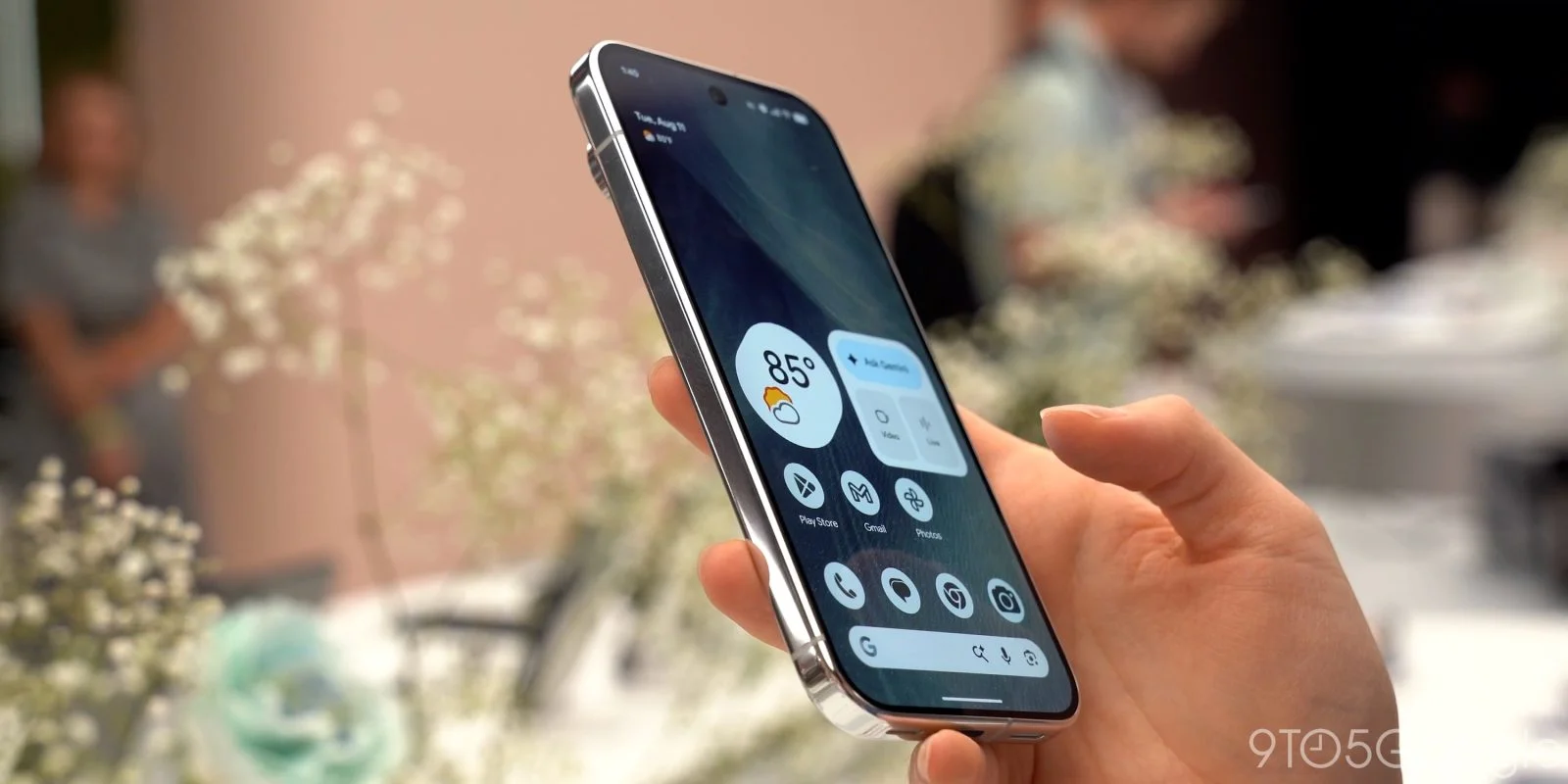
The unveiling of Google's Pixel 11 series comes with significant changes to its AI offerings, notably concerning accessibility to the Google One AI Pro plan. Previously, Pixel 9 users enjoyed a generous 12-month free trial, but the latest devices have seen this period dramatically reduced to just 6 months, while the base model loses the benefit altogether.
Redefining AI Access
For consumers, this adjustment signals a shift in strategy as Google seems to be tightening the reins on how much AI functionality is bundled with its devices. The Pixel 11's core appeal now rests heavily on its enhanced AI capabilities, which largely stem from Google’s Gemini integration—a tech that promises to revolutionize how users interact with their devices. While the integration certainly amplifies the overall user experience, cutting the trial period to just 6 months could deter potential users from fully exploring these features. After all, if users feel rushed to understand a service before incurring costs, they may pull back just when trying to engage.
The price tag of the Google One AI Pro Plan starts at $19.99 monthly, a substantial commitment that includes 5TB of Drive storage and premium health features. With this level of investment, users are likely to expect a more hands-on trial experience. A shorter trial could discourage many from fully harnessing the plan's capabilities, a move that raises eyebrows for a company that tends to market itself on ease of use and accessible tech.
Subscription Strategies
The decision to alter the trial periods seems an intentional move to direct greater reliance on subscription models as users become accustomed to AI integrations in their devices. In an era where many tech companies are shifting toward subscription-based revenue, Google’s approach may seem pragmatic. For those opting for the Pixel 11 Pro or higher-end models, access to AI features appears indispensable. Yet, it’s disheartening that the base model, pitched as a gateway into the world of advanced AI, will not benefit from initial trial access, especially since marketing focuses heavily on these functionalities. It raises a concerning question: is the Pixel 11 merely a means to get users invested in a subscription model, rather than a device aimed at enhancing mobile experience?
(And this is the part most people overlook.) Users purchasing the base model, touted as a budget-friendly option, are faced with a handicap for exploring Google's latest offerings. By sidestepping the needs of these users, Google risks alienating its customer base, who may feel excluded from a tech wave that fundamentally relies on AI.
Navigating Eligibility Complications
Not everyone is eligible for the AI Pro trial. Complications arise for users who are already subscribed to a higher-tier plan or those who rely on third-party AI subscriptions. This could create an unwelcoming atmosphere for a segment of potential customers, particularly when Google pushes the narrative of technological advantage through AI. An outright refusal to extend trial benefits could prevent users from discovering precisely what makes Pixel devices stand out compared to competitors.
As tech giants continue to bolster AI capabilities within their devices, anyone in the market for a new smartphone may hesitate before investing in a tool that seems to impose more restrictions than freedom. Google may risk leaving customers frustrated, especially since many users are drawn to AI functionalities that promise to streamline daily tasks.
Competition and Timing
While it's reasonable to expect changes as Google's services evolve, these cuts come at a time when competition in the smartphone sector is intensified by advances in AI technologies across the board. Competitors are also vying for consumer attention with various plans for AI integration, making Google’s tactics appear less competitive in the immediate landscape. Smartphone users today are increasingly discerning; they want a device that not only serves their basic needs but enhances their productivity and leisure through intelligent features. If Google isn’t careful, it’ll find that its latest offering might trail behind other players who offer more enticing access to similar technologies.
What's Next for Users?
For users looking for long-term engagement with Google's AI capabilities, the implications of this reduction in free trials raise questions about future accessibility and value. As the ecosystem develops, it remains to be seen whether Google will expand its trials or provide alternative incentives to encourage adoption. With the shift toward subscription models being more prevalent, potential customers might find this a gamble: are they truly going to unlock all the benefits or simply pay to experiment?
Implications and Future Outlook
The current strategy signifies a fundamental transition in how Google views consumer engagement. If you're working in this space, consider how this pivot might affect broader industry practices. Technology that relies on subscription models can lead to a cycle of continuous payments, which some consumers might resist. The risk is that Google could create barriers during a critical time when ease of access to new technologies is paramount. Users will likely expect that, while they may be investing in hardware, software and AI functionalities should accompany that investment without too many caveats. Future updates and potential access to broader experiences will likely have a significant impact on how the Pixel series is perceived in the long run.
Related Links
- Explore the Pixel 11 series: Google Store | Amazon | Best Buy
- Pixel 11 Pro: Google Store | Amazon | Best Buy
- Pixel 11 Pro XL: Google Store | Amazon | Best Buy
- Pixel 11 Pro Fold: Google Store | Amazon | Best Buy
Discussion
Sign in to join the discussion.