Google's Tap to Share feature is now rolling out to Pixel 6 and newer devices, allowing easy information exchange with other Android devices.
Tap to Share Now on Pixel 6 and Newer
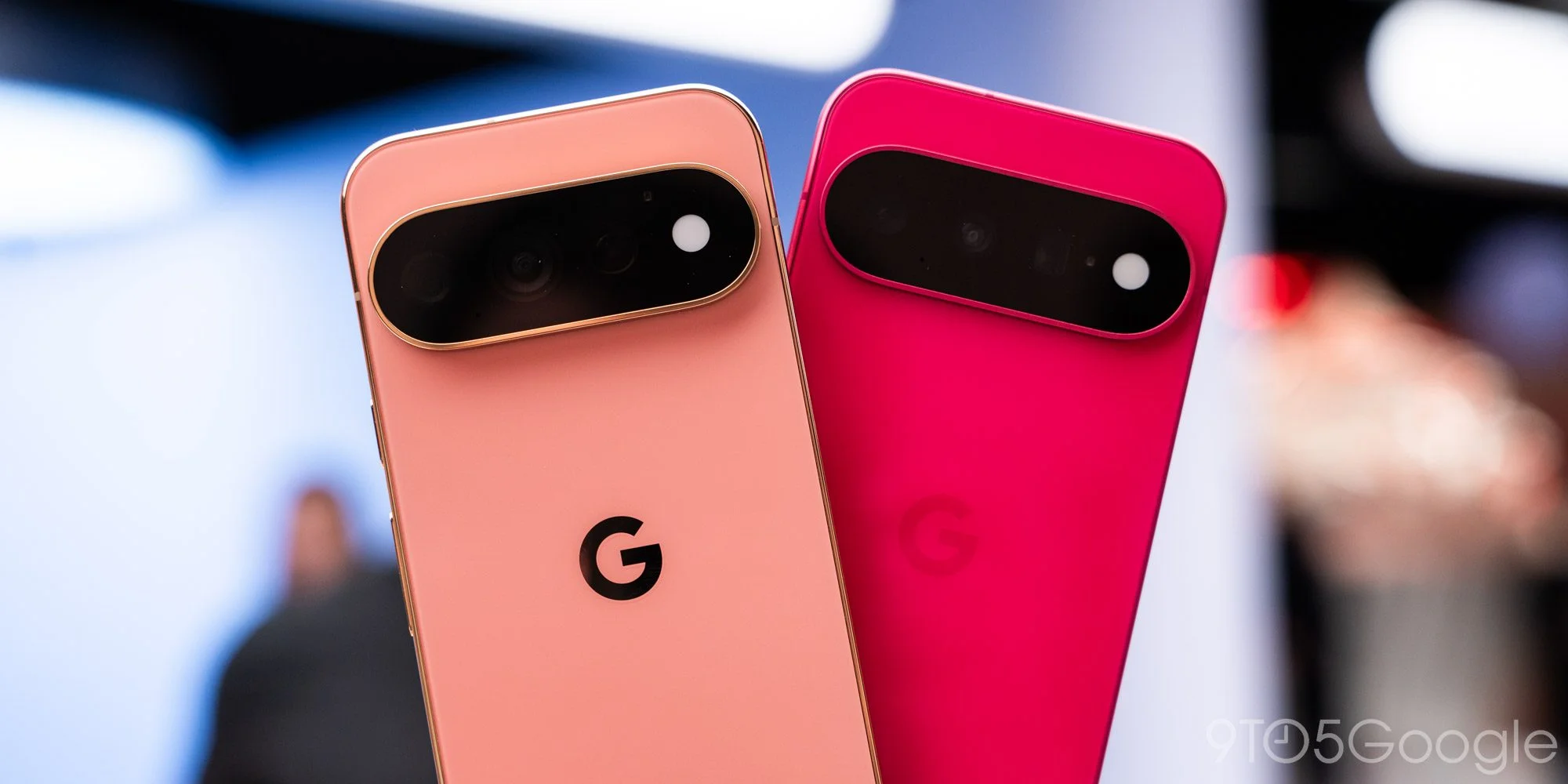
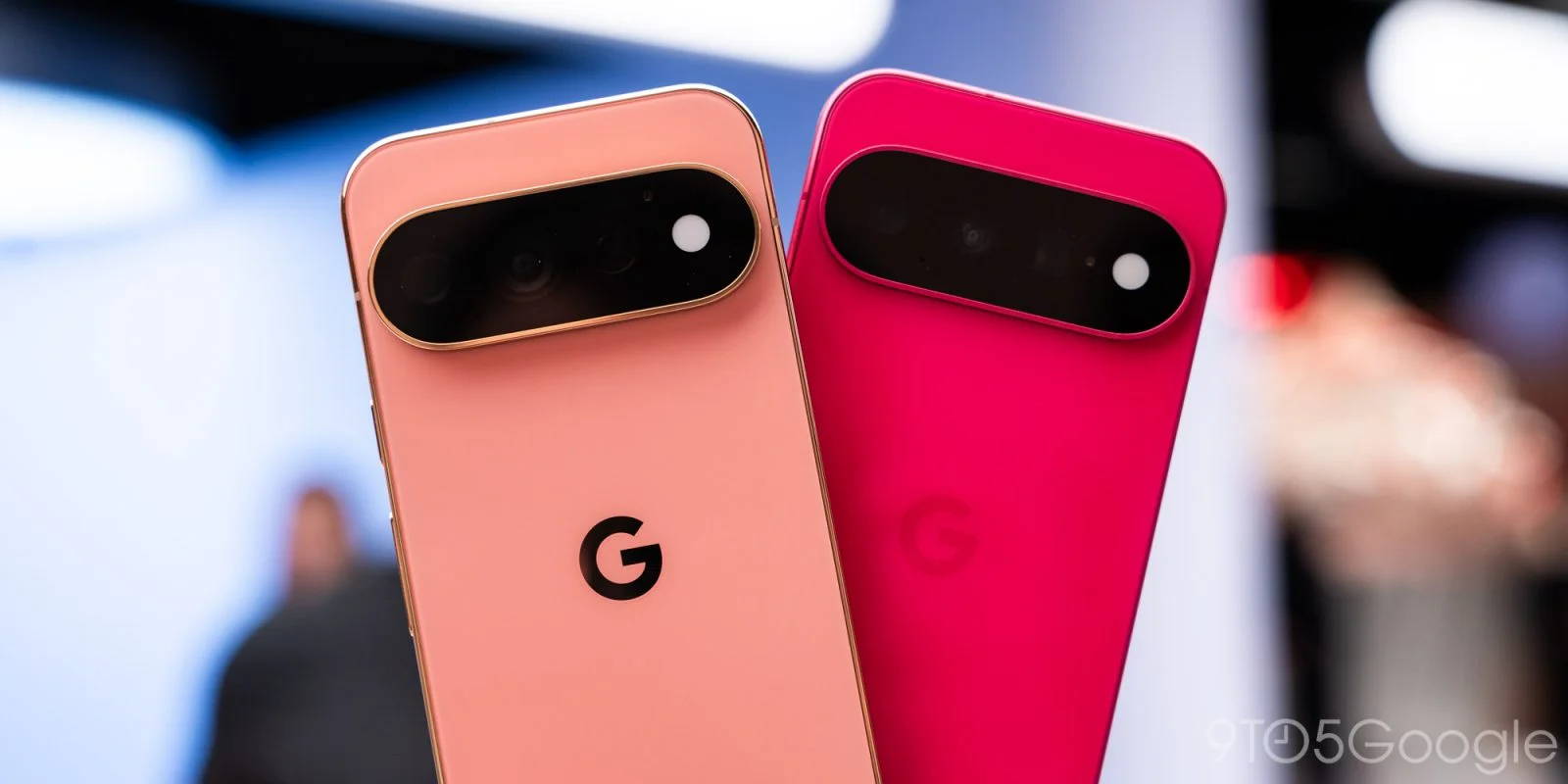
Announced alongside the Pixel 11 series, the Tap to Share feature is making its way to Pixel 6 and later devices, enabling a more efficient way to exchange information than the previous Android Beam. This move signifies a fresh approach to peer-to-peer sharing on Android devices. By moving past the limits of Android Beam, this feature brings with it the promise of more fluid, instinctive interactions between phones.
Easy Sharing with Nearby Devices
The introduction of Tap to Share offers users a convenient way to exchange information without the need for extensive app navigation. When two compatible Android devices are brought together, users can easily exchange contact details. The process becomes even more efficient for sharing media like photos and videos: by opening the phone's Share sheet beforehand, users can eliminate unnecessary steps and speed up the process. This feature builds on Quick Share, which has shown how fast, designated proximity-based transfer can be, and coincides with the Pixel 11’s redesign, where the NFC antenna has been relocated to the top for better performance.
This change is critical as NFC (Near Field Communication) has long been a silent enabler of mobile transactions and quick data transfers. Many users quickly adopted Android Beam and similar functionalities, but technical limitations and a lack of seamless integration affected its popularity. Moving forward, Google’s Tap to Share aims to bring a more user-friendly experience, tapping into the growing consumer demand for instant and easy sharing. What’s also interesting is how this may reshape user norms—people may become accustomed to sharing multimedia instantly, which might influence app developers to rethink or enhance their sharing capabilities.
Future Compatibility
The rollout for Pixel 6 and newer devices starts now, with Google ambitiously planning to extend Tap to Share functionality to select Samsung models like the Galaxy Z Fold 8 Ultra and Flip 8. Google aims to widen access to even more Android devices by year-end. This strategic move highlights a crucial aspect of Google’s plans to foster interoperability among Android devices. By extending Tap to Share to established players like Samsung, Google could bolster the user base, but there's a catch: the complexity of ensuring consistency across various hardware and software ecosystems remains a challenge.
It's also worth mentioning the competitive landscape. Apple introduced AirDrop years ago, contributing to user loyalty through its seamlessly smooth interface for sharing. Google's shift—aimed at unifying the Android experience—could be a crucial factor in attracting users who may feel disadvantaged in comparison. Could this turn the tables in Android's favor? The answer may depend on execution and user adoption.
The Implications of Tap to Share
Tap to Share does more than just facilitate easy sharing; it represents a shift in how we think about connectivity. As users become more reliant on sharing information quickly, demand for features like this will grow. The success of Tap to Share could influence future revisions to Android, prompting Google to continue introducing features that enhance user experience through proximity-based interactions.
There's an interesting social dimension to this as well. Consider how this could bolster social interactions. At a gathering, for example, users can share photos or contacts without fumbling around with apps, making the experience less cumbersome. But this raises questions about privacy—users might not always be aware when information is exchanged. Google will need to ensure that users have control over what is shared and with whom. This aspect is often overlooked, yet it remains a fundamental issue in user acceptance of new features.
Future Outlook and Industry Context
If you're working in this space, you’ll want to keep an eye on how this feature evolves. As more brands adopt similar technologies, you might start seeing a standardized method of sharing information across various platforms. This could lead to an overall improved user experience on the Android ecosystem and increased competition for Apple, driving them to enhance AirDrop as well.
There’s the potential for Tap to Share to morph into a cornerstone feature, influencing how devices communicate. Google's focus seems firmly placed on building a more adaptive and user-friendly environment while addressing previous shortcomings seen in apps like Android Beam. It may not be instantaneous, but this initiative could represent significant steps toward creating a more unified Android user experience.
And yet, as enticing as this all sounds, the next few months will be telling. Will users embrace the changes and adopt this new method of sharing? The numbers here are underwhelming if adoption doesn't follow. Only time will reveal the true impact of Tap to Share on how we exchange information in an increasingly digital world.
Discussion
Sign in to join the discussion.