The Pixel Watch 5 introduces a new “2nd Gen Active Band” made from Hydrogenated Nitrile Butadiene Rubber, enhancing durability and reducing chemical concerns.
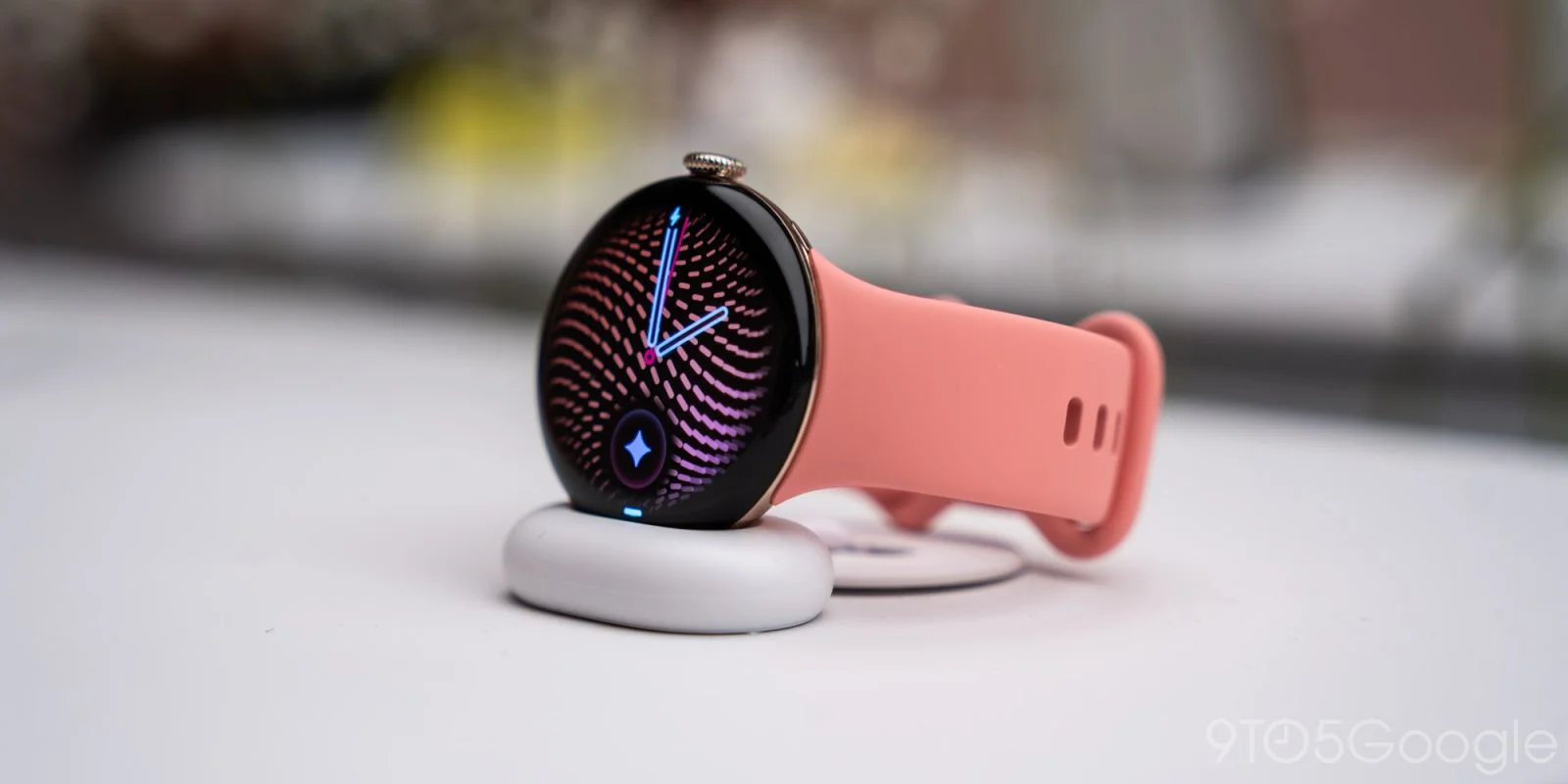
Google's Pixel Watch 5 features an upgraded "Active Band," now labeled as the "2nd Gen Active Band," crafted from a new material designed for enhanced durability. This change comes with a transition from silicone to Hydrogenated Nitrile Butadiene Rubber (HNBR), a material that's gaining popularity in diving watches.
The Shift to HNBR: Why It Matters
The transition from silicone to HNBR in the Pixel Watch 5 represents more than a simple material upgrade. While silicone bands have widely been the standard for various wearable technology products, they often face deterioration relatively quickly—showing signs of wear and tear within just a few months of use. This longevity issue is significant when considering that many users expect their devices to last, especially as prices for smartwatches continue to climb.
The fluroelastomer used in the original "Active Band" had already shown improvements in durability, setting a higher bar compared to standard silicone bands. The introduction of HNBR looks to raise that bar even further. Google's move to this material is indicative of a broader trend towards creating wearables that can withstand the rigors of everyday life, whether one's engaged in sports or simply navigating the challenges of a busy schedule.
Environmental Concerns: Addressing 'Forever Chemicals'
HNBR holds some significant environmental advantages. Unlike fluroelastomer, HNBR is reported to have a more than 99% reduction in per- and polyfluoroalkyl substances (PFAS), commonly referred to as "forever chemicals." These substances have recently drawn scrutiny due to their persistence in the environment and potential health risks. The implications of this shift resonate deeply in an era when consumers are becoming increasingly aware of their purchases' environmental impacts.
Many technology companies, including Apple, have faced backlash over their material choices, leading to legal consequences and a growing push from consumers and advocacy groups for greater accountability. By addressing the issue of PFAS with this new band, Google is not only improving the aesthetic and physical attributes of its product but is also strategically positioning itself as a leader in sustainability. If you're working in this space, you'll understand that these choices aren't just technical; they reflect evolving consumer demands and regulatory landscapes that are increasingly focused on sustainability.
Hands-On Experience: Comfort and Functionality
During my hands-on testing, I found that the comfort level of the new 2nd Gen Active Band is akin to its predecessor. While it's not surprising, it's reassuring for users who’ve enjoyed the original material’s feel. Both the original and the new models look nearly identical when compared side by side, with the predominant change lying in their composition rather than aesthetics. This continuity in design can be comforting, although some might argue that it lacks the boldness seen in other smartwatches that frequently refresh their looks.
What this means for you as a consumer is quite clear: the familiarity in design, paired with the promise of improved durability and environmental responsibility, makes this upgrade appealing. The typical smartwatch user isn't necessarily looking for dramatic redesigns every year. Instead, many appreciate when a trusted product just gets better at what it already does well.
Market Availability and Consumer Implications
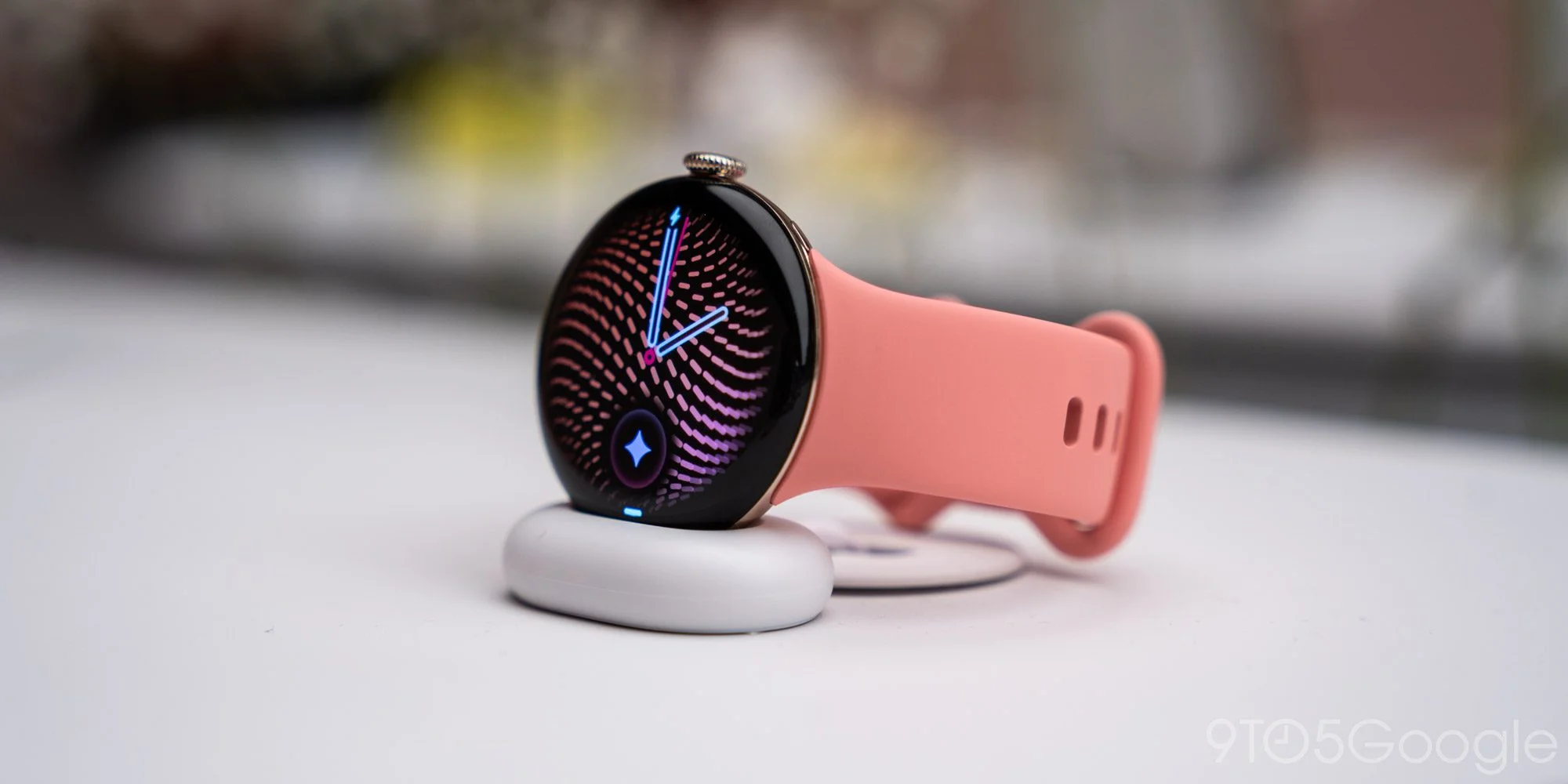
The Pixel Watch 5 is already available for pre-order, including the newly designed band with an exclusive color option named "Canyon" for the 41mm variant. For users concerned about sustainability and longevity, this advancement in material should be seen positively. It reflects a broader trend in the industry towards more sustainable practices while still delivering quality and performance.
However, a critical question emerges: Can Google maintain this momentum? As the tech industry continues to evolve, similar devices from competitors are bound to challenge the Pixel Watch's market position. If Google doesn’t consistently innovate not just in hardware but also in materials and sustainability, it risks falling behind as consumers weigh their options. Every brand is faced with the challenge of meeting growing consumer expectations for ethical production and sustainability.
Looking Ahead: Implications for the Wearable Market
In essence, this evolution in the Pixel Watch 5's band design not only heightens its lifespan but also marks a step forward in responsible material sourcing. With Google taking strides to phase out potentially harmful chemicals, consumers can feel assured that they are investing in both a high-quality product and a more sustainable future. But the implications extend beyond just one product. If this trend continues, we may see entire segments of the wearable market shift towards materials that prioritize environmental health as much as user comfort.
As we consider the future, it becomes apparent that the ongoing battle for market share in the smartwatch segment will increasingly revolve around who can innovate responsibly. The strategy here is clear: embrace sustainability without compromising performance. And that’s a challenge every tech company will surely face head-on in the years to come.
For more insights and updates about the Pixel Watch 5 and other Google offerings, stay connected through various platforms and follow the latest news as it develops.
Discussion
Sign in to join the discussion.