Google Pixel 11 introduces "Extreme Charging Mode," boosting wired and wireless charging speeds, marking a notable advancement in charging efficiency.
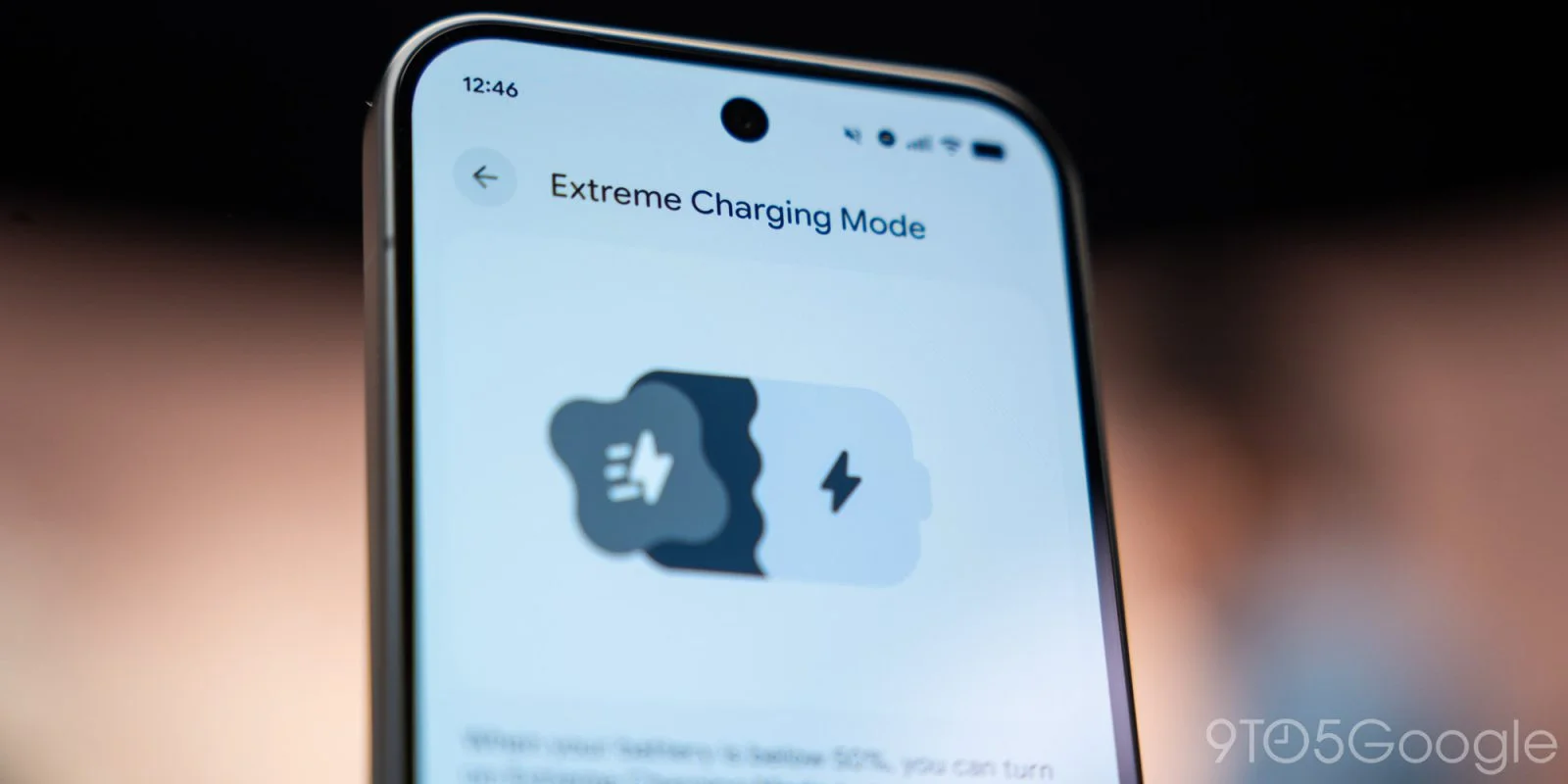
The Google Pixel 11 series is making headlines for its updated charging capabilities, particularly with the introduction of “Extreme Charging Mode.” This new feature aims to maximize wired charging speed, inviting a deeper look at its practical benefits.
Enhanced Charging Speeds
Charging specifics can be somewhat murky for Google’s Pixel devices. For the Pixel 11 lineup, which includes the Pro XL, the Pixel 11, and the 11 Pro, Google claims that users can expect “up to 75%” power in around 30 minutes for the Pro XL, while the other versions can reach 55% and 50%, respectively. This is an incremental improvement over the Pixel 10 series, but it's still worth scrutinizing whether this marginal gain translates to a meaningful user experience.
Despite this progress, the maximum charging speeds of 30W for standard models and 45W for the Pro XL feel a bit conservative, especially when competitors are pushing beyond these limits. Anecdotally, many flagship models now offer significantly higher charging capacities, with some going well beyond 100W. Whether Google’s strategy here is one of caution—perhaps to mitigate heat issues or battery lifespan concerns—is an open question.
Wireless Charging Leap
One significant enhancement lies in the area of wireless charging. This year, all models support Qi2 technology with 25W speeds, a jump from last year’s offerings where only the Pixel 10 Pro XL reached that mark, while the rest languished at 15W. This leap to 25W across all models narrows the gap between wired and wireless charging technologies, something users have been anticipating as they increasingly shift toward wireless solutions.
The move to Qi2 reflects a broader industry trend toward higher wattage in wireless charging, addressing consumer demands for more efficient charging alternatives. In practical terms, this means users who prefer the convenience of wireless charging won't feel like they're sacrificing speed in the process. It's computationally tricky—but ignoring this trend may leave Google trailing behind its rivals in the eyes of tech-savvy consumers.
Understanding Extreme Charging Mode
The introduction of “Extreme Charging Mode” is positioned as a strategic boost for times when power is in high demand. Google describes this mode as concentrating the device’s performance solely on charging, an approach that aims to deliver a rapid increase in battery levels when the user is short on time. It’s a significant acknowledgment of how mobile users are operating today, where a quick power top-up could mean the difference between making it through the day or facing a dead device.
“When you need power and don’t have time to wait, Pixel’s ultra-fast charging helps get a massive battery boost in minutes," Google states, emphasizing the capability to charge up to 75% in the Pixel Pro XL within half an hour.
Real-World Impact of Extreme Charging Mode
Though precise numbers weren't disclosed before the launch, Google elaborated that “Extreme Charging Mode” reduces background tasks and allows the phone to operate at a higher temperature while charging, increasing efficiency. This focus on charging potency, however, raises questions. While operating at higher temperatures can expedite charging, it may also pose longer-term risks to the battery's health.
Importantly, this mode activates only when the device’s battery is below 50%, continuing its function until a full charge is achieved. It is compatible with both wired and wireless options and can be easily toggled via settings or a Quick Settings tile. This means that, with just a few taps, users can summon a burst of charging speed. That's a thoughtful touch, considering how we often find ourselves pressed for time.
Availability & Future Prospects
All configurations of the Google Pixel 11 series, including the new “Extreme Charging Mode,” are now available for pre-order. While the new feature reportedly won't extend to older Pixel devices, users of the latest series have a compelling charging tool at their disposal. This could be a pivotal factor in swaying users who are considering upgrades, especially those who prioritize speed in everyday use.
But where does this leave the aging Pixel lineup? As smartphone evolution quickens, users tethered to older models might feel hesitant to invest in hardware that's relatively short-lived. In the yoga of tech—the stretching and bending of features—this could create a divide that may push loyal customers to competitors who offer more cutting-edge solutions across their entire product range.
- Pixel 11: Google Store | Amazon | Best Buy
- Pixel 11 Pro: Google Store | Amazon | Best Buy
- Pixel 11 Pro XL: Google Store | Amazon | Best Buy
- Pixel 11 Pro Fold: Google Store | Amazon | Best Buy
Implications and Future Outlook
With the announcement of the Pixel 11 series and its charging advancements, Google seems to be staking a claim in the fast-charging race. As battery technology continues to evolve, the competition will only get steeper. If you’re working in this space, remember that speed and efficiency aren’t just features; they’re essential in encouraging user loyalty.
The success of these new features may hinge on how effectively Google can address consumers’ long-term battery health concerns while providing fast charging solutions. The skepticism surrounding this capability is real—especially when higher speeds can sometimes lead to faster battery degradation. Until users see empirical data supporting the longevity of their batteries with these new modes, doubts will linger.
Thus, as the industry shifts toward speed, the question remains: Can Google keep pace? The initial reception may be positive, but keeping users onboard for the long term will require a conscious effort to marry speed with battery welfare.
Discussion
Sign in to join the discussion.