The Pixel 11 series now includes Qi2 25W wireless charging across all models, maximizing the benefits of the Pixelsnap charger.
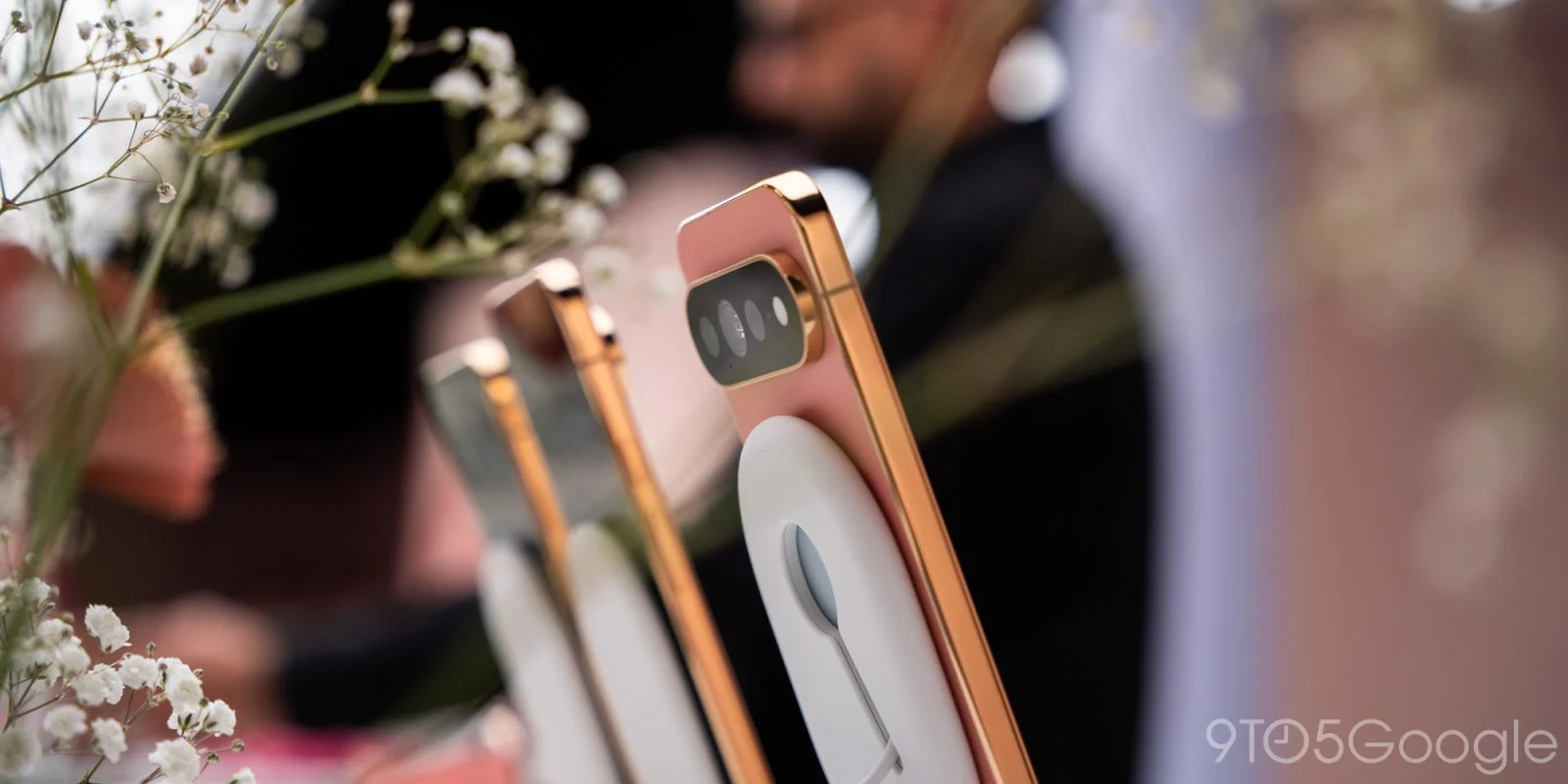
The Pixel 11 lineup marks a significant shift in how Google approaches wireless charging, as all models now feature Qi2 25W wireless charging. This is a notable advance from last year’s offering where only the Pixel 10 Pro XL had this capability, while the rest of the lineup was restricted to 15W.
A Step Up in Wireless Charging Technology
The introduction of all-new 25W wireless charging across the entire Pixel 11 lineup is noteworthy, especially considering the limitations faced by users of the previous generation. Last year's Pixel 10 series left many users disappointed, as only the Pro XL model enjoyed the faster charging speeds while the others languished with the slower 15W charging technology, which is increasingly considered outdated. This shift signifies a recognition from Google that consumers demand faster charging, especially as our reliance on smartphones continues to grow.
The 25W rating aligns with the ceiling for Qi2, making it essential for users who demand quicker charging. This is increasingly important as smartphones evolve into central hubs for our digital lives. Gamers, video streamers, and heavy app users will appreciate the reduction in downtime that this advancement provides. The boost in charging capability means that the new Pixel 11, Pixel 11 Pro, Pixel 11 Pro XL, and Pixel 11 Pro Fold can fully utilize Google's existing Pixelsnap charger, which was limited in performance last year when paired with the previous models.
New Flexibility with Pixelsnap Charger
Previously, only the Pixel 10 Pro XL could harness the full power of the Pixelsnap charger, leaving other devices lagging behind at lower speeds. Now that all new Pixels support 25W, consumers can have confidence that they’re getting the most out of their charger, regardless of the model they choose. That sends a clear message: Google is on board with standardizing wireless charging speeds across their product range, and that leveling up is something users have clamored for.
Interestingly, the Pixelsnap charger hasn’t undergone any design revisions since its launch last year. While it still offers the same functionality, it now supports a broader array of devices, effectively bridging a gap that many users likely found frustrating in the past. Although its standard price sits at $70, it’s currently available for $34.99 on Amazon, presenting a compelling offer for consumers looking to enhance their charging setup.
Compatible Designs and Colors
The Pixelsnap charger continues to sport a light, neutral design, making it a versatile accessory that pairs nicely with all color variations of the Pixel 11 series. Whether you choose Hibiscus, Canyon, or even Pistachio, this charger blends in nicely, offering users a functional yet aesthetically pleasing option. This attention to design indicates that Google is keenly aware that consumer electronics aren't just about functionality but also about personal expression. If you’re working in this space, catering to modern tastes can’t be overlooked.
With pre-orders for the Pixel 11 series now open, potential buyers have various options to choose from:
- Pixel 11: Google Store | Amazon | Best Buy
- Pixel 11 Pro: Google Store | Amazon | Best Buy
- Pixel 11 Pro XL: Google Store | Amazon | Best Buy
- Pixel 11 Pro Fold: Google Store | Amazon | Best Buy
More on Pixel 11:
- Pixel 11 Pro launches with the best of Google’s Gemini Intelligence starting at $1,099 [Hands-on]
- The Pixel Watch 5 isn’t much at a glance, until you get to ‘At a Glance’ [Hands-on]
- Pixel 11 hands-on: Better, but no longer a bargain at $899 [Video]
- Google announces $29 Pixel Tag coming in November with UWB [Hands-on]
- Pixel 11 Pro Fold is $1,899 and Google says the back is ‘nearly impossible to crack’ [Hands-on]
Implications and Future Outlook
This shift in wireless charging technology is about more than just faster charging times; it reflects a broader trend in the smartphone market where speed and convenience are paramount. As competitors continue to innovate, Google’s move could either keep pace or fall behind—not just in charging technology, but across the entire ecosystem of products and services they offer.
However, it's essential to remember that a faster charging rate won’t solve all user frustrations. Conversations around battery longevity, energy efficiency, and heat generation need to accompany these upgrades. Faster charging can be a double-edged sword if it leads to increased wear on the battery over time. Remember that. An effective strategy will require Google to not only improve charging speeds but also ensure that consumers feel secure about the longevity of their devices.
As the Pixel 11 series launches, it will be fascinating to see how user reception evolves. The combination of improved charging speeds with the latest hardware and Google’s software optimization can potentially set the stage for a more competitive deal. However, it’s still early to say if this will translate into tangible sales growth. What this means for you could be a more satisfying user experience, but it also means that the marketplace will demand even more from devices in terms of performance and features.
Discussion
Sign in to join the discussion.