Microsoft’s $50 Xbox Nano Controller adds Wi-Fi cloud play, reviving an idea first seen in Google’s Stadia Controller.
Xbox Nano adds a direct route to cloud gaming
The Xbox Nano Controller brings a useful twist to cloud gaming: it can connect to Xbox Cloud Gaming over Wi-Fi, without routing play through a console or other device. That gives the controller a more direct relationship with the streaming service. In a typical setup, a controller connects to a phone, computer, or another device, which then communicates with the cloud service. Here, the Nano is designed to make that extra step unnecessary for the controller’s connection.
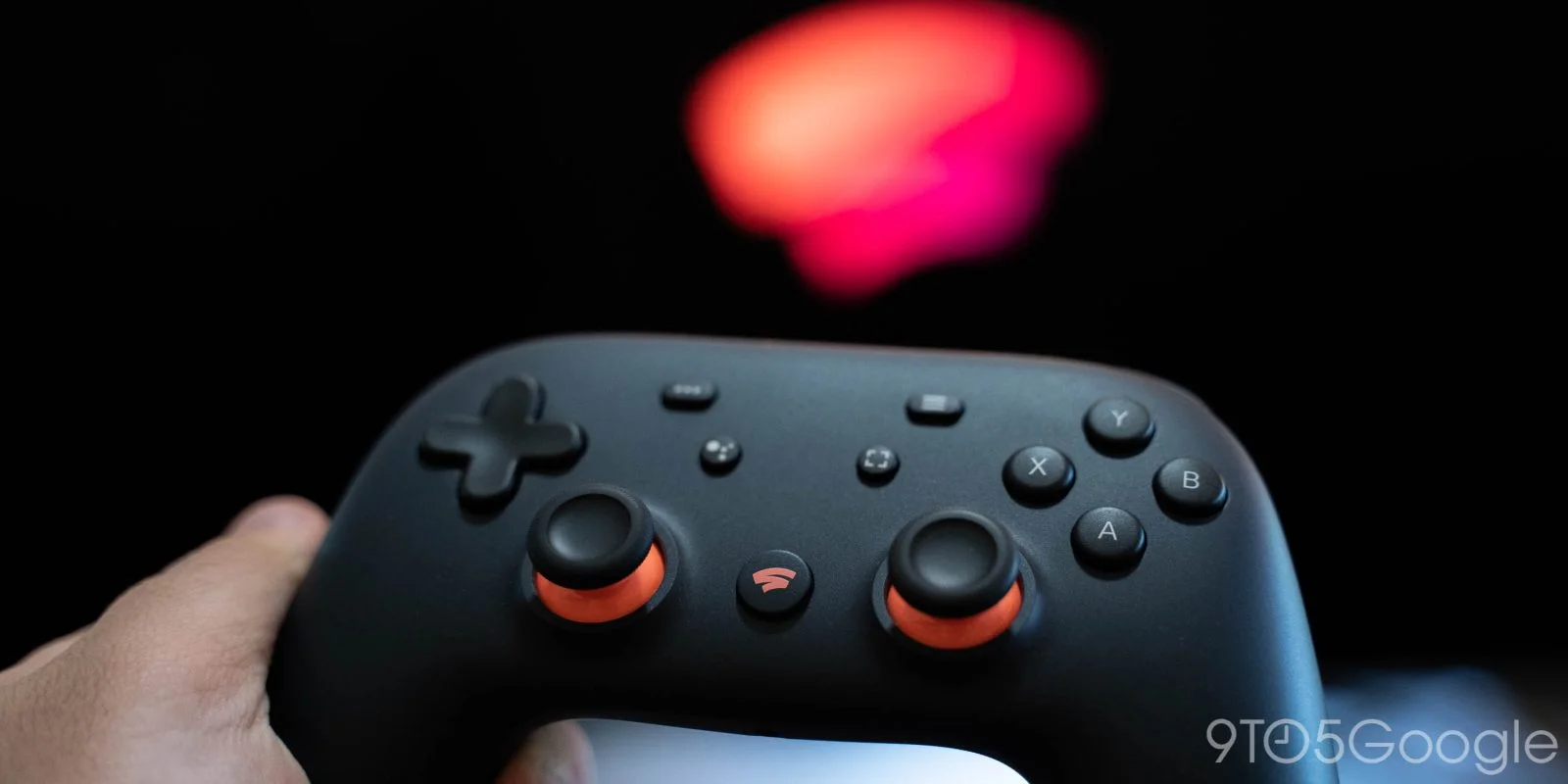
The idea echoes Google’s Stadia Controller, whose direct Wi-Fi connection outlived Stadia itself as an approach worth revisiting. Stadia’s controller showed that a gamepad could connect to a cloud gaming service over a network rather than relying only on a local device connection. That distinction can matter in a streaming setup, where each part of the chain has a role in getting button presses to the game. The broad concept is familiar; what’s new here is Microsoft bringing it to a compact Xbox controller.
This is more significant than it looks. A controller that can connect directly to a cloud service could make playing across devices feel less tied to a particular console or screen. But the source doesn’t establish how the Nano handles switching between devices, or whether its Wi-Fi connection will feel better in practice than a conventional controller connection. Those details matter as much as the feature’s headline description.
Small design, cloud ambitions
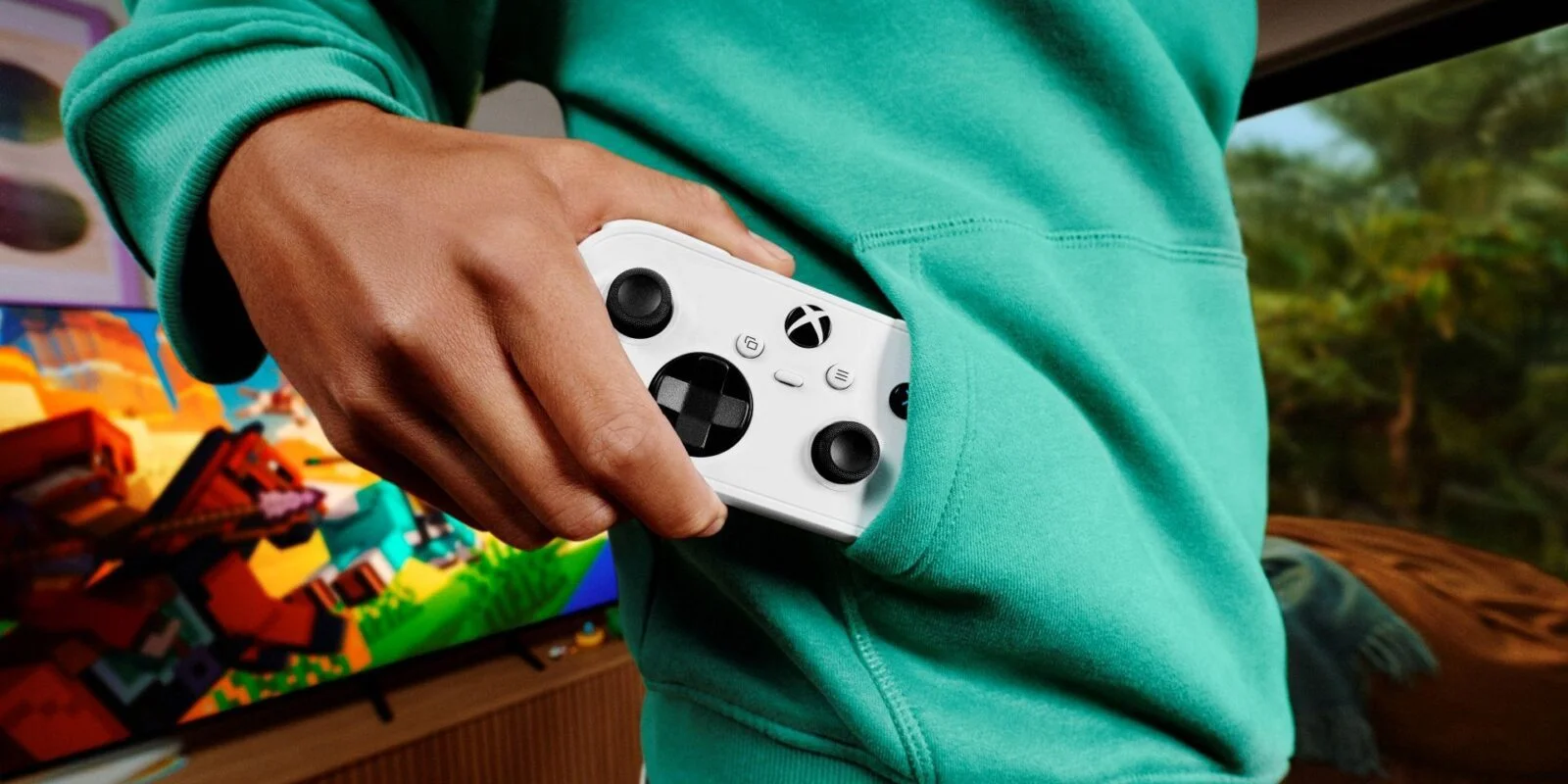
Microsoft announced the compact controller in mid-October, and the Nano launches this week for $50. Its small footprint is aimed at players with smaller hands and people who want a controller that’s easier to carry. That gives the product two distinct selling points: a more portable form and a connection option built around cloud gaming.
Those goals are related, but they aren’t the same. A smaller controller may be easier to pack or hold for some players, while direct Wi-Fi connectivity concerns how the device reaches a game. The Nano’s appeal will depend on whether both parts work well for the person using it. A compact design won’t automatically suit every hand, and a cloud feature won’t help much if a player mostly uses a console or plays where a reliable network connection isn’t available.
Cloud Connect is still a preview
The cloud feature, called “Cloud connect,” was spotted by The Verge. Microsoft’s on-screen explanation says it pairs the controller over Wi-Fi for a “fast and responsive XBOX Cloud Gaming experience.” The wording describes the intended benefit, but it doesn’t establish how the connection performs across different networks or playing conditions.
Microsoft also describes the feature as a preview that’s still in development and may change or behave unexpectedly. That caveat deserves attention: buyers are getting access to a feature whose behavior isn’t final. Preview software can help a company learn how a feature works in real use, but it also puts some uncertainty in the user’s hands. If you’re considering the Nano mainly for Cloud connect, you’ll want to treat the feature as a work in progress rather than a settled promise.
Cloud connect pairs your XBOX Nano Controller over Wi-Fi for a fast and responsive XBOX Cloud Gaming experience.
This is a preview experience and is still under development. It may not function as expected, and features or functionalities may change.
That warning also makes it harder to judge the controller’s long-term value from the feature announcement alone. The key practical questions are whether setup is straightforward, how consistently the connection works, and whether players notice a difference during play. The source doesn’t answer those questions. For now, Microsoft’s description tells us what Cloud connect is meant to do, while the preview label sets limits on what buyers should expect from it.
A wider direction for Xbox controllers
Microsoft is expected to bring the same capability to a future Xbox Elite Controller, according to The Verge. That points to a possible expansion beyond the Nano, though the report doesn’t provide details about when such a controller might arrive or how its feature set would compare. The Nano is therefore an early indication of a direction Microsoft may pursue, rather than evidence that direct cloud connections are already a standard part of its controller lineup.
Amazon’s Luna Controller already connects over Wi-Fi, showing that direct controller-to-service connections aren’t unique to Microsoft. Microsoft’s reach could put the approach in front of more cloud gaming players, but reach alone won’t settle whether it becomes useful day to day. The feature still has to work reliably and fit into the way people use Xbox Cloud Gaming.
Here’s the thing: a controller is a small part of a cloud gaming system, but it sits right where a player’s actions begin. Any extra steps or connection problems can become more noticeable there, because they affect the basic act of controlling a game. (And this is the part most people overlook.) A direct Wi-Fi connection changes how the controller joins the experience, but it doesn’t by itself tell us how responsive the full setup will feel.
A simpler connection path, potentially. Still a preview.
That said, the Nano offers an early look at Microsoft’s interest in controller-based access to cloud gaming. If Cloud connect matures as intended, it could give players another way to use Xbox Cloud Gaming without routing the controller through a console or other device. If the preview remains inconsistent, the Nano’s compact size may matter more to buyers than its cloud feature. For now, the most grounded reading is that Microsoft is testing a useful idea, while leaving its final behavior open.

More on Cloud Gaming:
- Xbox Cloud Gaming’s added playtime costs start at around 40¢ per hour
- Star Wars: Galactic Racer is free to play on Amazon Luna
- Xbox Game Pass will get a Google TV app ‘in the coming months,’ likely only for TCL
Follow Ben: Twitter/X, Threads, Bluesky, and Instagram

FTC: We use income earning auto affiliate links. More.
Discussion
Sign in to join the discussion.