Cyclon pairs a Pixel 8a prototype with an AI-first phone pitch. Its on-demand app creation stands out, while delegated messaging raises questions about control.

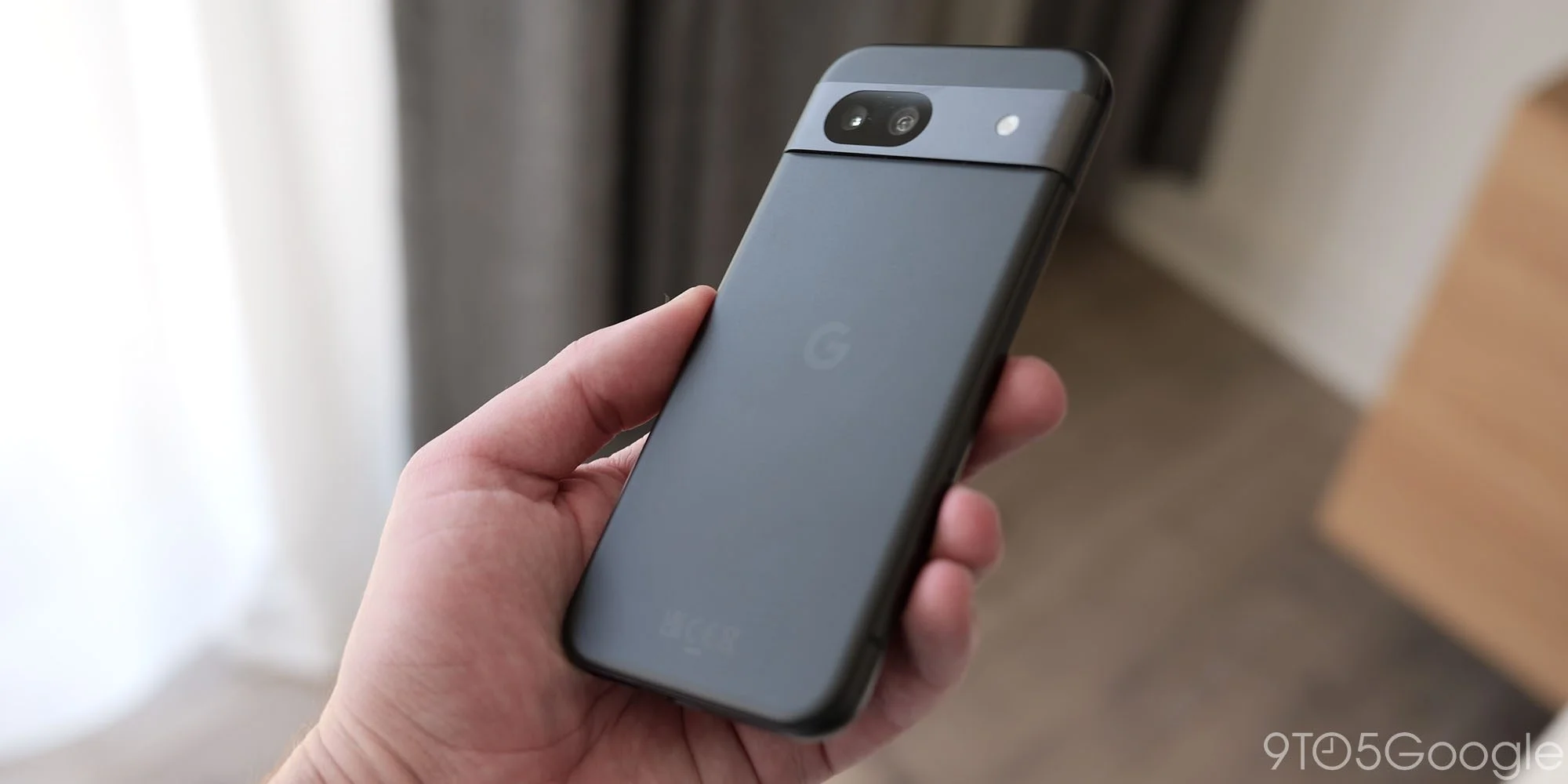
Cyclon’s most compelling idea isn’t asking an AI to run your phone. It’s asking one to build a small, purpose-made app when you need it. That distinction matters: the company’s broader pitch puts a chatbot between users and everyday phone tasks, while its on-demand app concept suggests a more focused use for generative software. A tool made for one clear job can be easier to understand and assess than an assistant with open-ended access to personal routines.
A phone organized around delegation
In a video posted on Twitter/X, Cyclon’s founders describe their goal as building “an AI phone to replace the iPhone.” The demo centers on spoken requests: users can ask the assistant to sort notifications, respond to a WhatsApp message, or find photos in the gallery and send them to a friend. The pitch is less about tapping through menus and more about describing an outcome, then trusting the phone to carry it out.
Some tasks make a reasonable case for delegation. Ordering a regular DoorDash meal or arranging for a courier to enter a building could save a few steps, particularly when a task involves moving between apps or repeating familiar instructions. Other examples feel harder to justify. Asking an assistant to tell a group chat you’re ten minutes late, then having it deliver the message “in your words,” inserts a layer of automation into a simple social exchange.
That friction may be the product’s central challenge. Cyclon assumes people want a conversational interface to mediate routine actions, including personal messages. Yet the more the assistant acts in the background, the more users need confidence that it understood the request, chose the right content, and represented them accurately. A mistake in sorting notifications may be easy to fix; a message sent with the wrong tone can carry a different kind of cost. This is more significant than it looks.

On-demand apps offer a clearer use case
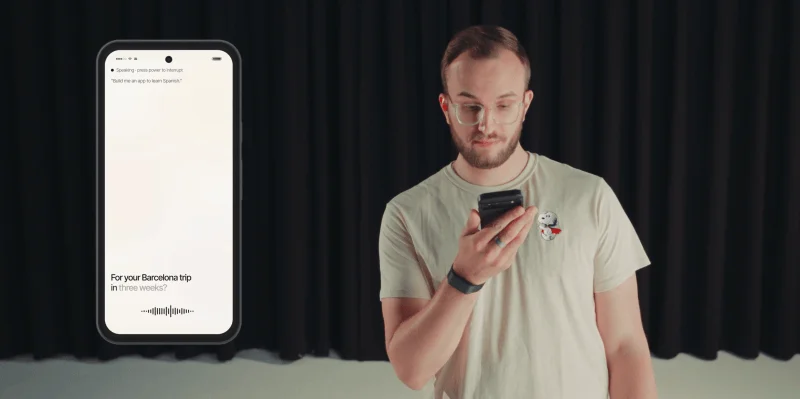
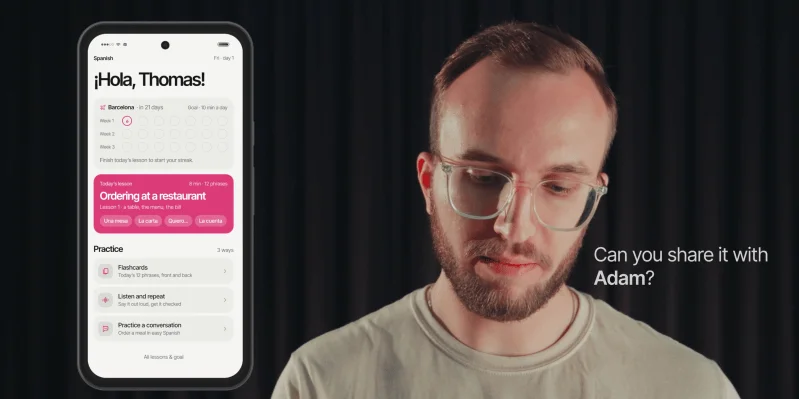
Cyclon’s proposal to generate shareable apps on demand is the more distinctive part of the product. The company’s example is a language-learning app tailored to an upcoming trip. A small tool built around a specific destination could be more useful than routing every ordinary interaction through a chatbot, though the quality and reliability of generated apps remain open questions. The idea also gives the user something concrete to judge: does this app help with the task it was made for?
Google is pursuing a related idea with Gemini Intelligence’s “Create my widget” feature. The comparison points to a practical test for Cyclon: can its app creation produce something reliable enough to keep using after the novelty wears off? A phone assistant that can make a useful, narrowly scoped tool may have a stronger case than one that tries to handle every message and errand. Here's the thing: usefulness depends on what happens after the first request, when a tool needs to remain understandable and work as expected.
The hardware and pricing raise questions
Cyclon says its current prototype runs on Google Pixel 8a phones. People who back the first batch with a $199 pre-order are expected to receive one of those units, followed by the planned Cyclon Phone, which the company expects to price at $699. That package amounts to two phones for $699, though the source doesn’t spell out the timing or other terms. That leaves a basic question for potential buyers: what should they expect to use, and when?
The planned phone’s design is also part of the pitch, but the hardware has yet to show whether it can support a distinct experience beyond the software. For now, the Pixel 8a prototype is the clearest evidence of what Cyclon is building. A prototype can demonstrate the direction of an interface, but it doesn’t answer how the eventual product will feel in regular use. That said, the software concept is the stronger point in the material available so far.
There are worthwhile ideas here, especially turning a specific need into a shareable app. The broader assistant concept asks users to hand over a surprising amount of everyday agency, including how they communicate with friends and family. Cyclon’s appeal will likely depend on whether those custom tools prove useful enough to justify that tradeoff. If you're working in this space, that’s the hard product question: can automation save enough effort to earn trust for tasks that reflect a person’s intent?
What Cyclon needs to prove
The company is also promoting the product through influencers, while much of the conversation on social platforms is difficult to separate from engagement-driven AI replies. That makes genuine user response harder to judge. Social attention can show that a pitch has reached people, but it can’t establish whether they’ll rely on the product once they have to use it themselves. And this is the part most people overlook: the assistant’s success depends on repeated, ordinary interactions, not just a polished demonstration.
The clearest signal will come when people can try the software and decide whether delegated phone tasks feel helpful in practice. For the app-generation idea, the test is whether a custom tool solves a real, bounded need and remains useful beyond the moment it’s created. For the broader phone assistant, it’s whether people are comfortable letting software act on their behalf. A promising demo. An unproven habit.
Discussion
Sign in to join the discussion.