Meta's latest Ray-Ban smart glasses update introduces advanced audio settings and turn-by-turn navigation, enhancing user experience and functionality.
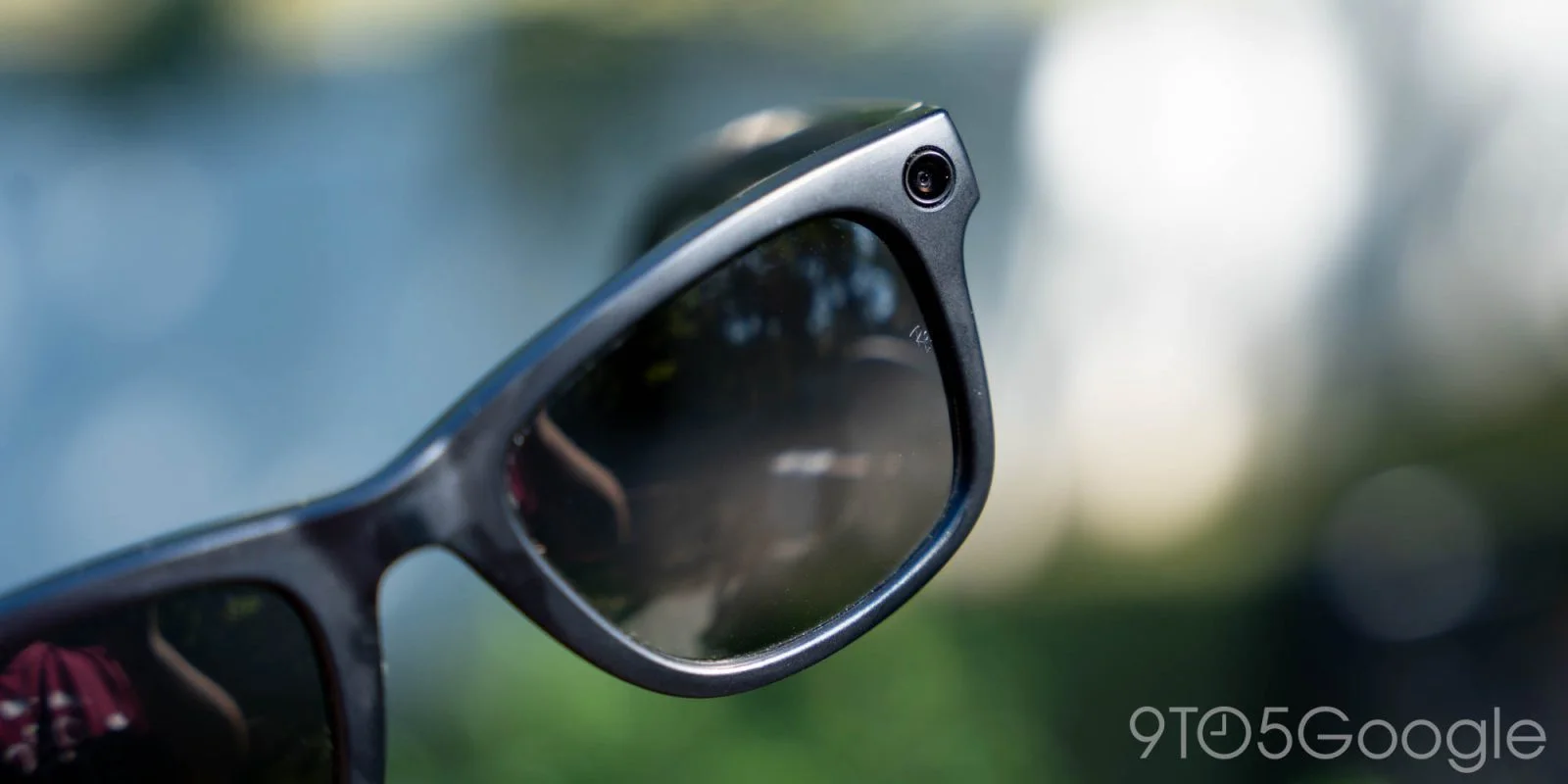
Meta's latest update for Ray-Ban smart glasses introduces significant audio improvements and a new navigation feature that enhances overall usability for users.
Enhancements in Audio Experience
The update, designated as version 129, primarily focuses on audio playback adjustments. Notably, users can now customize the audio experience by balancing sound between the left and right speakers. This isn't simply a minor adjustment. For a long time, audio quality and customization have played critical roles in wearable tech, especially when it comes to smart glasses designed for active lifestyles. Having the ability to tailor audio settings is essential not just for entertainment but also for accessibility.
For those with specific hearing challenges, a mono audio option is now available. This feature ensures sounds are transmitted equally from both speakers, allowing users to listen without missing information from either side. Mono audio can be a game-changer for individuals with hearing impairments. It's a thoughtful addition that showcases Meta's commitment to inclusivity, especially in an age where accessibility remains a pressing concern across tech products.
- Mono Audio: This feature allows users to hear identical sounds from both speakers. It's particularly beneficial for individuals with hearing impairments, as it combines left and right channels to ensure that essential notifications and Meta AI interactions are clearly audible.
- Audio Balance: Users can manually shift audio focus toward either ear, allowing for a tailored listening experience. This setting can be adjusted within the accessibility options found under Device settings. The presence of such a feature indicates Meta's understanding of varied user needs and the importance of personalization in the user experience.
In addition to these audio enhancements, update version 128 expands the capabilities of the Ray-Ban glasses with features like Spatial Audio support and enhanced tamper resistance for the built-in camera. The Spatial Audio addition is particularly interesting. Such technology is designed to create a more immersive sound experience, making you feel like you're in the center of the action. Coupled with improved tamper resistance, these glasses are not just about looks; they offer a layer of security that’s increasingly necessary. Tech users are more aware than ever of privacy concerns, making this feature a timely inclusion.
Turn-by-Turn Navigation Capabilities
The latest addition to the Ray-Ban Meta smart glasses is a turn-by-turn navigation feature that works alongside users' smartphones. Navigation in smart glasses is one of those features that seem obvious in hindsight, but it significantly changes how users interact with their surroundings. You won't be fumbling with your phone while navigating a busy street, which could be risky. This improvement simplifies wayfinding while walking, using location data directly from the user's mobile device. The hands-free aspect is essential in ensuring that users can focus on their environment while receiving guidance.
- Pedestrian Navigation: Users can now request walking directions through voice commands, such as, “Hey Meta, navigate to Times Square.” Voice commands not only make this interaction more fluid but also highlight the level of voice recognition technology integrated into these smart glasses. For locations that are farther away, the glasses will promptly send notifications with driving directions to the user's phone, bridging the gap between the glasses and the phone seamlessly.
- Location Sharing: By using compatible mapping applications on their smartphones, users can share their destination directly with Meta AI, which facilitates seamless navigation on their smart glasses. This integration of mapping application APIs is crucial for modern smart devices as it demonstrates an understanding of ecosystem interconnectivity. If you're working in this space, you'll recognize how important it is to allow devices to communicate effectively with one another.
While the audio features are still gradually becoming available to users, the navigation upgrades from earlier versions have been widely rolled out through the Meta AI app, enhancing the functionality of these smart glasses significantly. The combination of audio and navigation improvements reflects an ongoing commitment to user experience, but it also raises questions about how these capabilities stack up against the competition. Other brands are swiftly developing similar technologies, and while Meta is making strides, the market remains competitive.
Further Insights on Smart Glasses
The evolution of smart glasses represents a broader trend in personal technology, where the integration of everyday functions into wearable devices is increasingly common. As of late, smart glasses have witnessed growing popularity, despite the scrutiny faced by Meta's brand image. Challenges exist not only in product functionality but also in public perception, which has been shaped by various controversies surrounding privacy and data usage.
- Meta launches audio-only glasses and Gen 3 Ray-Ban with slimmer designs
- Smart glasses are witnessing growing popularity despite scrutiny faced by Meta
- Samsung is set to launch its first Android XR glasses in November
Implications and Future Outlook
The implications of these updates are significant. With features that enhance accessibility and user interaction, Meta is positioning itself as a serious contender in a niche but expanding market. Smart glasses could soon become indispensable for a variety of tasks, from navigation to personalized audio experiences. As competitors like Samsung enter the fray with their offerings, it could push Meta to innovate further, creating a healthier competition that ultimately benefits users.
It's essential for Metaverse-focused products to maintain consumer trust while pushing for technological advancements. Ensuring privacy and transparency will be paramount. As we look ahead, the integration of more diverse functions may very well determine the future trajectory of smart glasses technology. There’s a potential for meteoric growth, but only if companies prioritize user experience and ethical practices in tech development.
Discussion
Sign in to join the discussion.