Samsung is expanding the rollout of its Android 17 update, reaching additional Galaxy devices in the U.S. market, enhancing user experience.
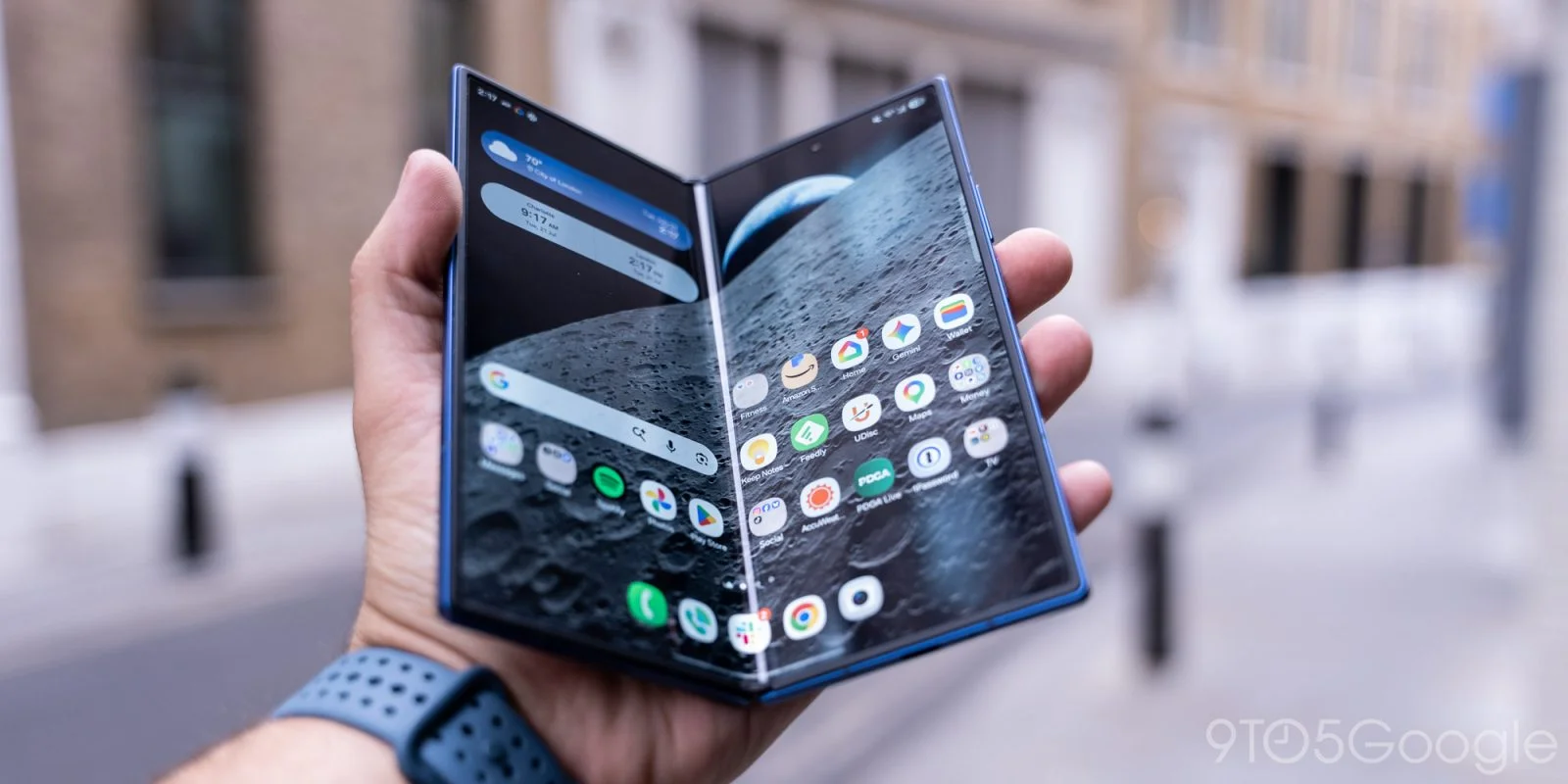
Samsung is ramping up the release of its Android 17 update, with a broader deployment for various last-generation Galaxy devices in the U.S.
Expansion of Android 17 Update
Samsung has shown a concerted effort to keep its devices updated, and the launch of Android 17 signifies an important moment in its ongoing relationship with users. This time around, the company initiated the rollout at the end of September, starting with the Galaxy S26 series—an expected move, given that flagship models are often the first to receive new operating systems. However, the shift toward extending the update to other last-generation devices indicates that Samsung is focused on retaining its user base by ensuring that even older models still receive timely updates.
Targeted Models in the U.S.
Initiating the rollout with the Galaxy S26 series set the stage for a seemingly cascading effect across Samsung’s product line. Currently, the Galaxy Z Fold 7 and Galaxy Z Flip 7 are receiving Android 17 updates as well. Users on major carriers like T-Mobile and Verizon who own the Fold 7 are already experiencing these improvements, while those with the Flip 7 on AT&T are also seeing their updates come through. One has to wonder: how does Samsung prioritize which devices get updates first? If you're working in this space, the answer typically revolves around market share and consumer demand, with flagships and premium models often taking precedence.
Samsung’s strategy of updating both flagship and foldable models together might signal its intent to fortify the foldable segment's appeal. As the foldable market matures, ensuring these devices receive the latest features could help entice users to adopt them over traditional smartphones, particularly for users interested in the unique capabilities foldables offer.
Stable Updates for Galaxy S25 Models
Meanwhile, users of the Galaxy S25 lineup are also experiencing stable updates stateside. However, reports indicate that receipt of this update remains limited to specific carrier-locked variants. It’s intriguing to see that while flagship devices often get the most immediate attention, the ability to roll out updates across multiple models can present a logistical challenge. The Galaxy S25 models are receiving updates, particularly for users on Verizon, along with the Galaxy S25 FE and Galaxy S25 Edge. This raises questions about the consistency of communication from Samsung, as limited updates to carrier-locked phones can lead to frustration among users who may feel left out of the latest features.
In a market where speed and stability are paramount, user experience can hinge on whether their devices keep pace with the latest software advances. The fact that users of unlocked devices are still waiting for their updates could indicate that Samsung is working through its deployment carefully, but it also shows how divided the user experience can be based around carrier restrictions.
How to Check for Updates
For those with the Fold 7, Flip 7, or any Galaxy S25 models, checking for the Android 17 updates is relatively straightforward. Users can navigate to Settings > Software update > Download and install. This highlights how Samsung has kept the user experience in mind, ensuring that customers can manually search for updates if they haven't received notifications. This can be a double-edged sword though; while it empowers users, it can also create anxiety when waiting for important features to arrive.
More on Samsung:
- Leaked Galaxy S27 Ultra color list doesn’t include Purple, for a change
- Samsung just raised the price on several more Galaxy phones in the US
- Samsung’s open-ear Galaxy Buds On go official with late October release
Future Implications for Users
This ongoing rollout of Android 17 might appear normal at first glance, but it underscores larger trends in consumer expectations and software deployment. As smartphone users become more tech-savvy, the demand for regular updates has increased. Users now expect their devices to utilize the latest features, security patches, and performance enhancements almost immediately upon release. Samsung's ability to meet this demand could have far-reaching effects.
The speed and efficiency of the update process signals to customers how much a brand values their experience. A slow rollout can cause frustration, leading to a loss of trust and potentially steering them toward competitors. This is more significant than it looks—consumers are increasingly making purchasing decisions based on a brand's commitment to maintaining its devices post-launch. As companies across the tech sector continue to assess their update strategies, Samsung’s approach could serve as a case study on user retention through timely software updates.
Discussion
Sign in to join the discussion.