Google Pixel 11: A New Flagship Struggling to Distinguish Itself in the Android Space
Published Aug 12, 2026801 readers
The Pixel 11 offers enhanced accessibility and design but lacks standout features, raising questions about its value compared to previous models.
Introduction to the Pixel 11
The launch of the Pixel 11 marks a significant moment for Google as it attempts to redefine its image within the crowded Android market. Positioned as the flagship entry model for the 2026-2027 cycle, this latest iteration reflects Google's strategy to blend performance with accessibility, shifting the starting price down to $899. Yet, with each release, questions arise about whether these devices truly offer value for money, or if updates are just minor tweaks in a familiar design.
Refining the Formula
With the Pixel 11, Google has taken risks by altering a well-established formula. Since the debut of the Pixel 9, there have been iterative changes, but this model seeks to establish a new standard. However, on the surface, it feels almost like a continuation rather than a revolution. You might find little reason to upgrade if you’re currently using its predecessors.
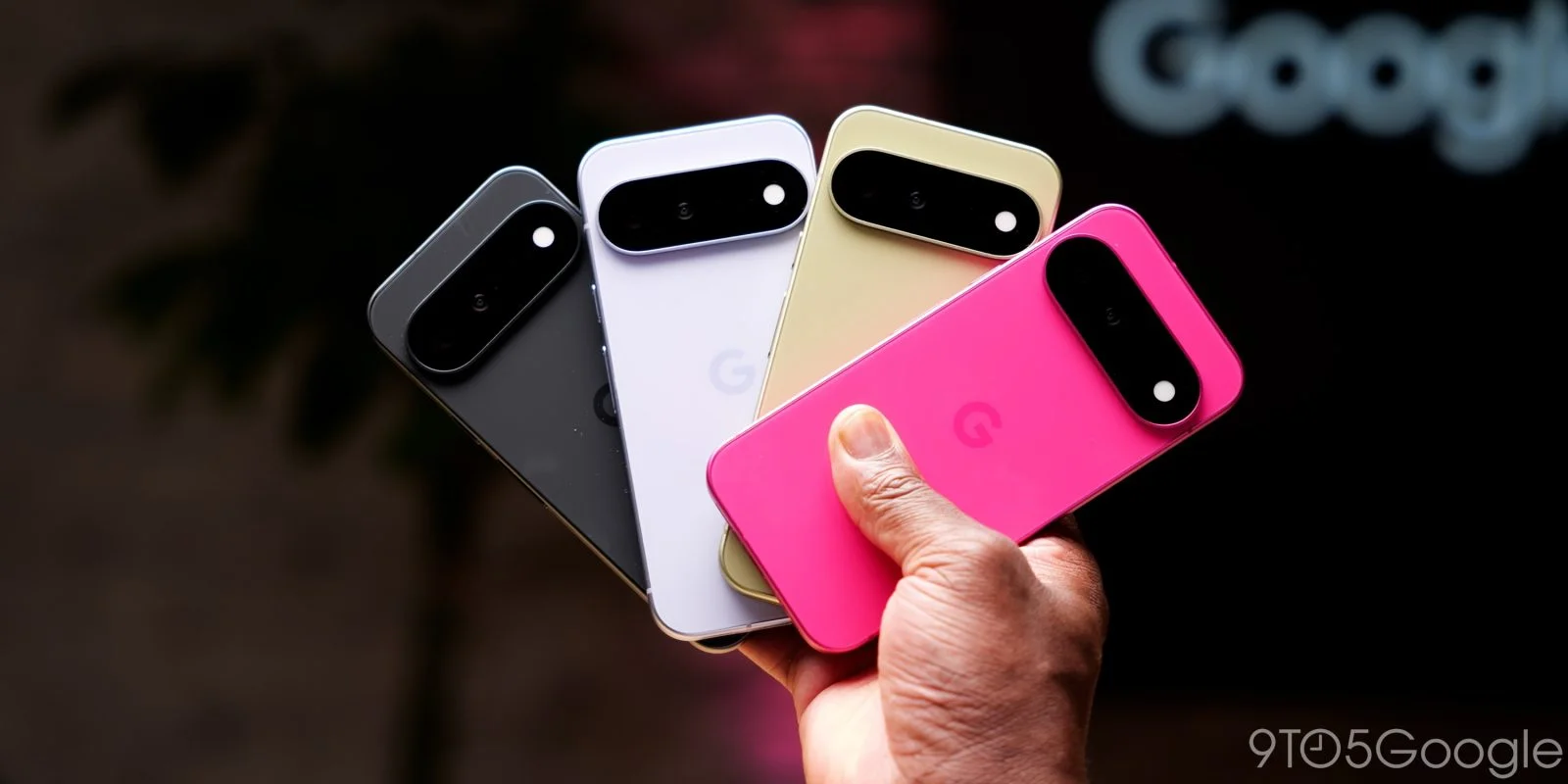
In terms of looks, the Pixel 11 doesn't stray far from its roots. The return to a glass camera bar brings a refreshing twist, reminiscent of previous models, but overall, it sticks to the same design principles that users have come to know. More striking are the new colorway options, notably the vibrant “Hibiscus,” which feels immediately eye-catching compared to earlier renditions. However, not every color hits the mark — for example, the “Frost” variant, while appealing, doesn’t quite evoke the nostalgic charm of previous shades.
Disappointment Lurking in Features
It's concerning that this base model, while slightly more affordable, falls short in delivering standout features. For instance, the HiLight functionality, which many users have come to appreciate, remains exclusive to the Pro models. This feels like another missed opportunity for Google to appeal to a broader audience and keep up with competitors that are offering increasingly attractive features at similar price points.
You can’t ignore the implications of Google’s decision to boost the starting storage to 256GB—it’s a welcome change. Yet, despite these enhancements, fundamental issues loom large. The Pixel 11 is praised for its 48MP main camera, yet it still lacks some high-end features seen in its Pro counterparts. In focusing on the essentials, how much longer can Google keep users excited about subtle upgrades?
Critical Impressions
So, what does all this mean for you? If you’ve been eagerly awaiting the Pixel 11, the reality is a mixed bag. While the device has a lot going for it—accessibility and a solid foundation—it struggles to justify its new price. Google’s choice to cling to past design elements and slightly improve upon existing hardware leaves many wanting.
Even with its claims of impressive battery life and swift charging capabilities, early impressions suggest that the Pixel 11 doesn't feel markedly superior to its predecessor in terms of performance. This raises pertinent questions about whether Google is truly ready to redefine what its flagship offer should be, especially with the competition tightening around it.
When you consider the landscape of available options, the Pixel 11 does not feel like a compelling buy at its current price. Google's attempts to sell this smartphone as a flagship device ring hollow against its offerings compared to other premium phones on the market. Unless significant upgrades come to light, you may want to hold out for a better deal or wait for the possibly more exciting Pixel 11a, which could prove to be the smarter, more affordable choice for everyday consumers.
Final Thoughts on the Pixel 11 Series
The launch of the Pixel 11 series marks a pivotal moment for Google, especially as it looks to carve out a larger slice of the competitive smartphone market. With the Pixel 11 starting at $699 and the Pro versions pricing up to $1,899, it’s clear that Google is aiming for a premium audience. However, its success will hinge on more than just specs; software integration and user experience remain key.
This new lineup plays heavily on Google’s advancements in AI with the introduction of Gemini Intelligence. This is not just about flashy features; the true impact lies in how well these enhancements translate into everyday use. The analytical capabilities promised could redefine usability—making intricate tasks more manageable. Yet, we must remain cautious. It's not entirely clear if these innovations will truly resonate with consumers who are increasingly discerning about value versus price.
If you're involved in the tech space or considering a new smartphone, take a moment to assess the Pixel 11’s offerings against its competitors. Sure, the robust hardware is appealing, but how will Google’s approach to AI set it apart in practical scenarios?
You’ll also want to keep an eye on the accessories that have launched alongside these devices, like the Pixel Watch 5, and the upcoming Pixel Tag with ultra-wideband technology. These extensions could further integrate Google’s ecosystem, making the Pixel 11 not just a smartphone, but a cornerstone of a broader suite of smart products.
As the release date approaches, the buzz will only amplify. For anyone watching this evolution, be ready for a dynamic shift. Google isn’t just focusing on hardware; it's pushing an entire lifestyle brand through technology. This could be just the beginning.
Discussion
Sign in to join the discussion.