Google's Pixel Tag, arriving November 11 at $29, offers precise tracking through UWB and stylish design, making item retrieval easier than ever.
Unveiled at Made by Google 2026, the Pixel Tag is set to become a flagship item tracker from Google, emphasizing style and functionality. This product enters an increasingly crowded market of Bluetooth trackers, dominated largely by competitors like Apple's AirTag and Tile. Each player has its unique offerings and philosophies, raising the question of what distinguishes Google's approach in an industry that relies heavily on both technology and user appeal. Let's take a closer look at the Pixel Tag and explore its design, features, and potential market impact.
Design and Features
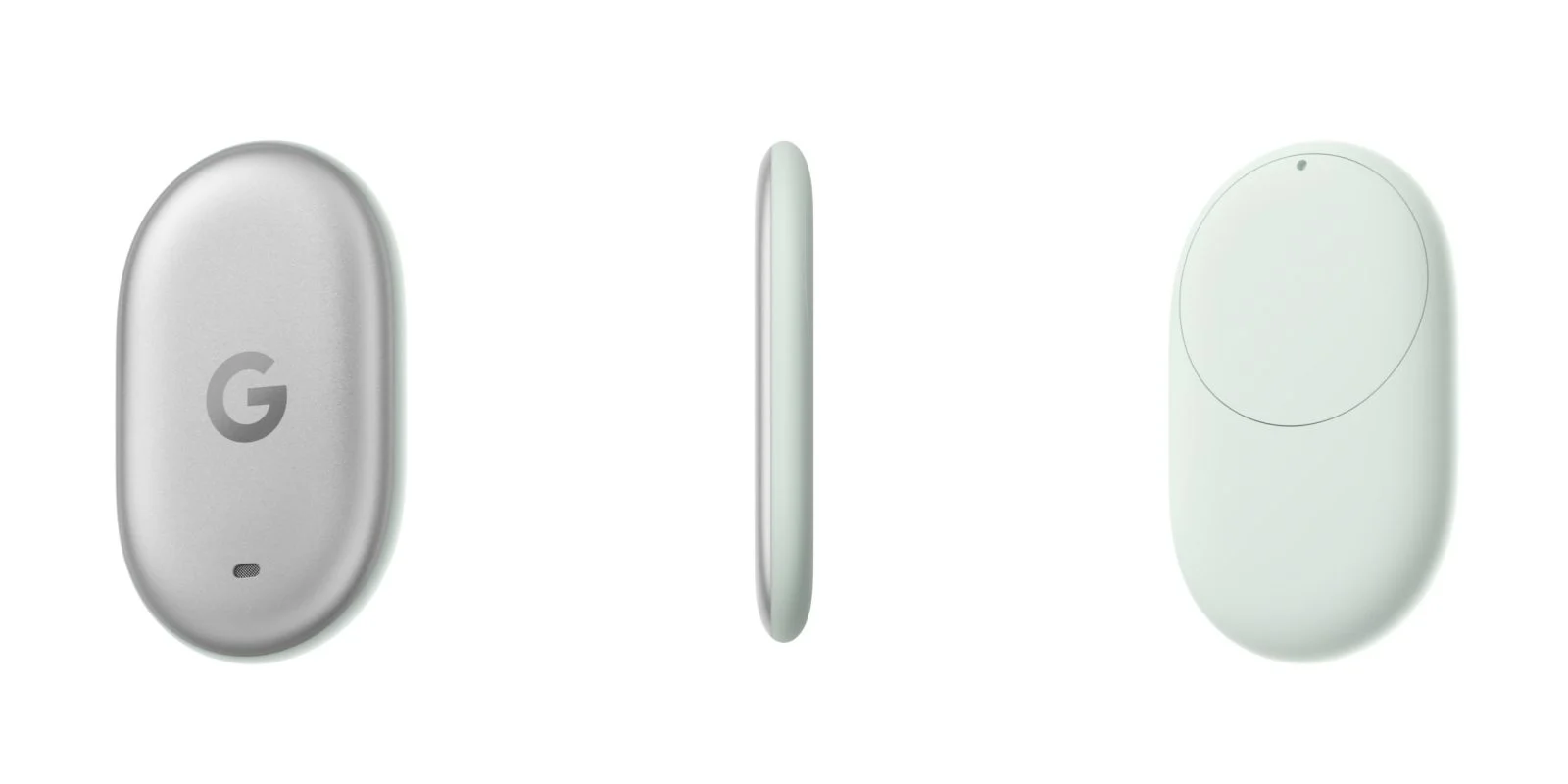
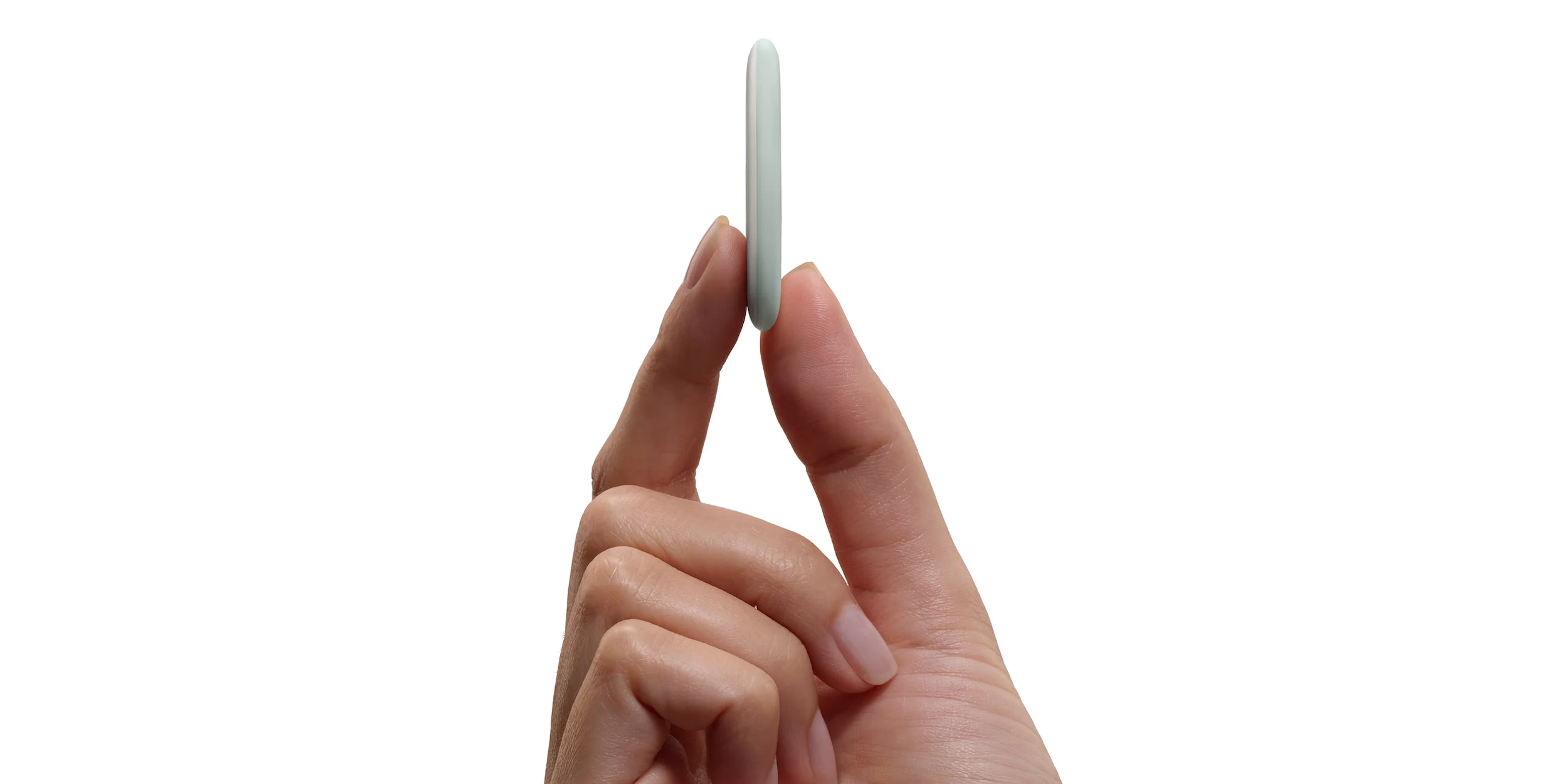
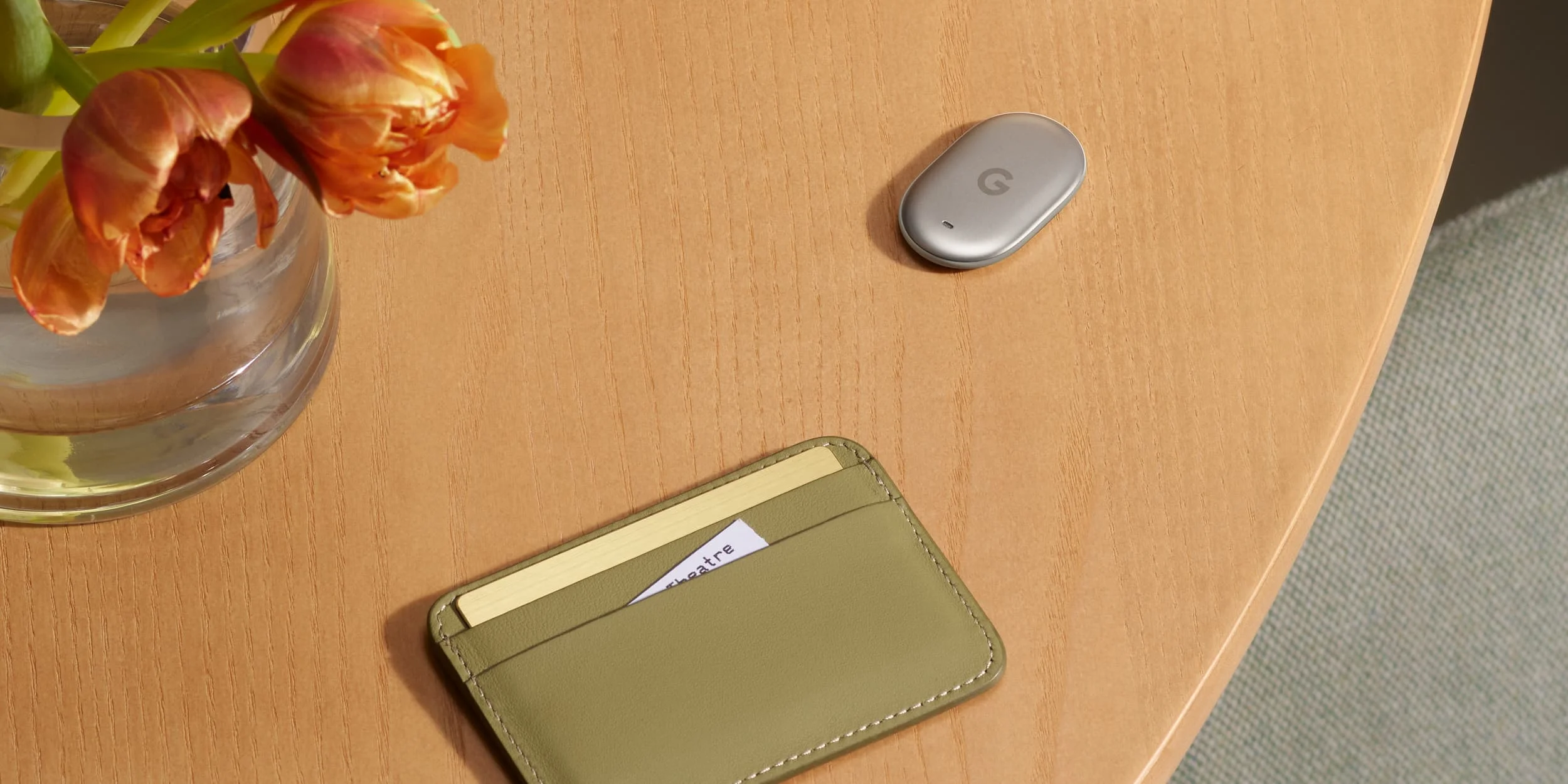
The Pixel Tag boasts a sleek, pill-shaped profile measuring 1.8 by 1.1 inches, making it a compact addition to any keychain or bag. It’s designed to be visually appealing while also being highly functional. The front is finished in silver metal with a prominent “G” logo, projecting a sense of brand identity that's essential in today's competitive marketplace. The back, crafted from durable plastic in a color called Fog, conceals a user-replaceable CR2032 coin cell battery that boasts over a year of life. A replaceable battery feature is often overlooked but can be a significant advantage; consumers appreciate the minimal need for disposable products, which also aligns with growing sustainability values.
Its impressive build quality allows it to resist bending and cracking—an important consideration for an object that often faces the rigors of daily life alongside items like keys and wallets. An integrated button enables users to ring their phones, a feature that adds immediate utility. The “Left Behind” alerts are another handy feature, notifying users if they’ve left items behind. This dual functionality of tracking and reminding could be a defining selling point for users who often misplace essential belongings.
Tracking Technology
Inside the Pixel Tag, an assortment of advanced technology powers its functionality. Equipped with an accelerometer, speaker, and Bluetooth connectivity, it seamlessly integrates various components to enhance user experience. The use of Ultra Wideband (UWB) technology is particularly noteworthy, as it significantly elevates locating capabilities. This tech allows for Precision Finding, which provides visual distance and directional cues that work within a range of about 50 meters. For users accustomed to maps on their smartphones, this precision may change the dynamic of how they search for lost items.
Compatible with devices running Android 9 or later, the setup process is straightforward, thanks to a Fast Pair prompt triggered simply by removing a battery tab and bringing the tag close to the phone. This ease of setup could be crucial for less tech-savvy consumers who may shy away from more complex tech products. The simplicity could also drive wider adoption, especially among casual users who want functionality without the burden of technical hurdles.
Durability and Availability
Merging style with practicality, the Pixel Tag is made from polycarbonate and metal and carries an IP67 rating, making it resistant to water and dust (up to a depth of 1 meter for 30 minutes). This level of durability speaks volumes about Google's intent to compete squarely with established brands, essentially ensuring that braving the elements won't break your tracker. Such details are critical in the decision-making process for consumers who want assurance that their gadgets can stand up to everyday challenges.
And yet, the keychain loop feature will be sold separately. This might raise eyebrows among consumers looking for a complete package right out of the box. As anyone who’s tried to attach a tracker without an adequate attachment point knows, it's not as straightforward as it sounds, and upselling a vital accessory could leave some customers frustrated.
Pricing
Launching on November 11, the Pixel Tag will retail for $29, with a four-pack available at $99. This pricing strategy seems well-calibrated for casual users and families, catering to individuals looking to track multiple items seamlessly. However, pricing positioning will be essential; it needs to balance affordability with quality perception to avoid being viewed as just another budget tracker in a sea of options. With almost every competitor in the item-tracking space offering similar pricing structures, the challenge will be distinguishing the Pixel Tag’s value proposition beyond just hardware specs.
Implications and Future Outlook
The introduction of the Pixel Tag highlights a significant shift for Google. By breaking into the item tracker niche, they're addressing the substantial consumer demand for everyday connectivity and organization tools. What this means for you is a growing ecosystem of Google products that potentially enhance your quality of life. If you're working in this space, it could signify broader trends in how technology companies integrate everyday objects into their ecosystems. Expect to see further developments from Google in this area, particularly as competition intensifies. Will they innovate beyond what we already know? That remains to be seen.
This might not just be about increasing their product lineup; it effectively positions Google as a comprehensive player in the smart home and personal tech arena. The implications extend to partnerships with other smart home devices and services, creating a potentially synergistic effect, although execution will be key. As item trackers increasingly become part of the connected home experience, Google's success with the Pixel Tag could shape the future interactions we have with our possessions. In a market where consumers are becoming increasingly discerning, the Pixel Tag will need to stand out—not just through features, but also through unique integrations that feel personal.
Discussion
Sign in to join the discussion.