Google still lists video and browser apps for Android Auto as “coming soon,” with its year-end target approaching and no timing details.
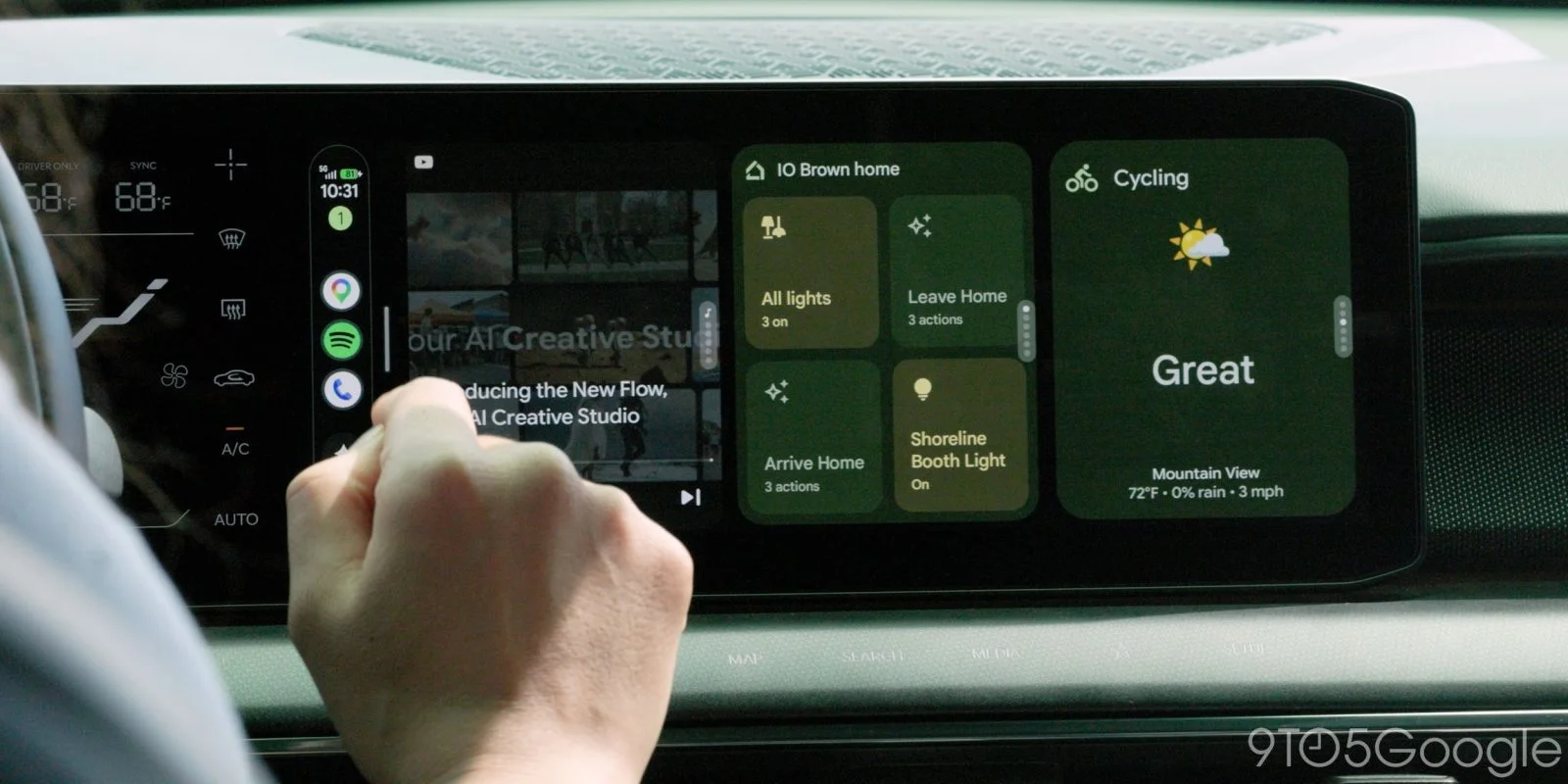
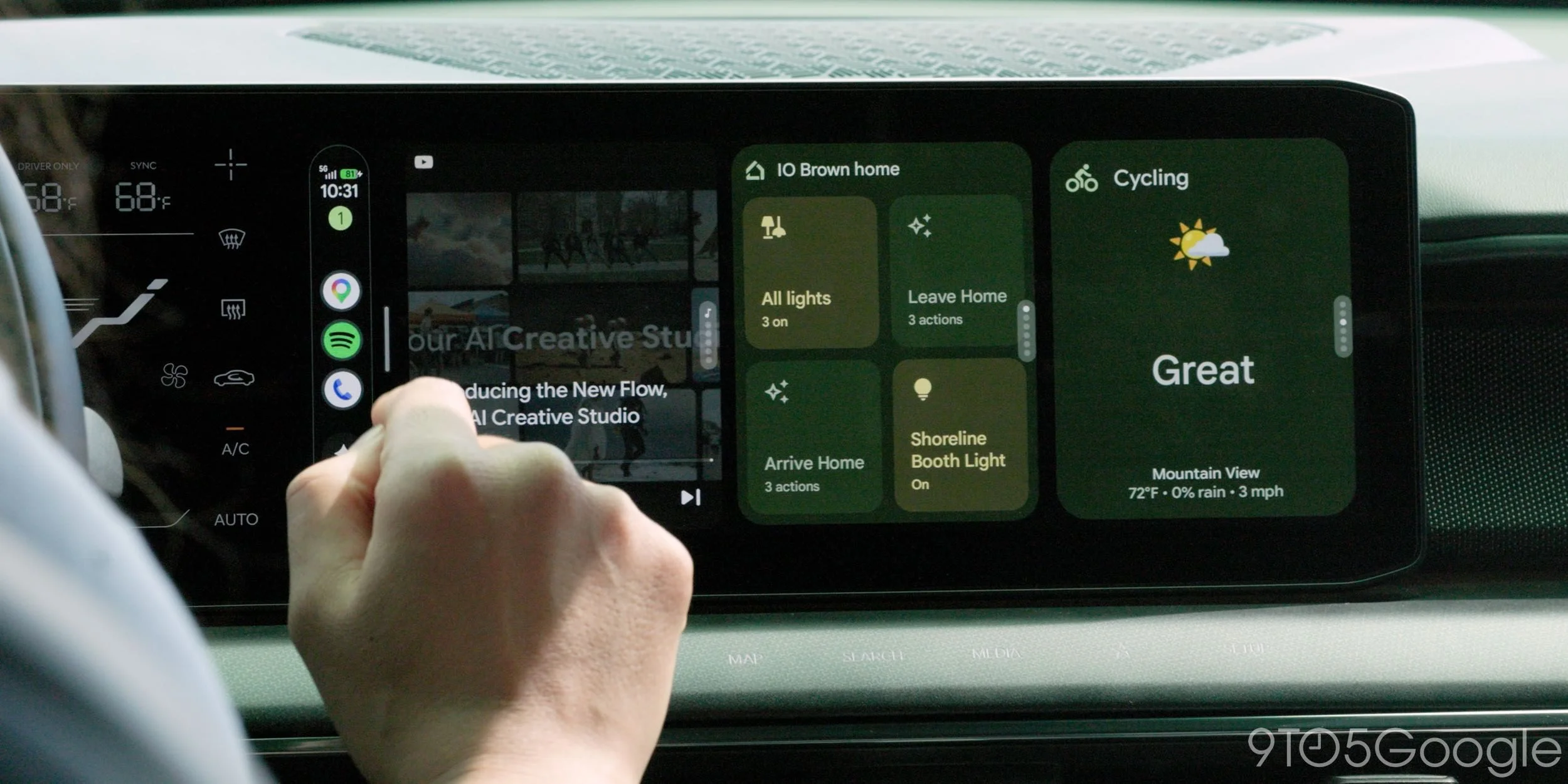
Google’s latest developer update leaves Android Auto’s planned video and browser apps in limbo. The company still calls them “coming soon,” even as its year-end target draws close and it offers no release window. That wording keeps the plan alive, but gives drivers and developers little to act on: there’s no public beta detail, launch date, or clearer account of what remains before release.
Automotive has moved ahead of Android Auto
Google announced in May 2026 that video apps would arrive this year in select vehicles. The plan includes watching services such as YouTube on a car display, with playback switching to audio when the vehicle leaves park. That condition frames the feature as something for when a car is stationary, while allowing listening to continue once it’s moving. It also makes the vehicle’s state part of the product experience: video support isn’t simply a matter of putting a phone app on a larger screen.
The latest status highlights a split between Google’s in-car platforms. Video apps are now open on Android Automotive, Google’s built-in system, while browser apps there remain in beta. Android Auto, which projects a phone’s apps onto the dashboard, has yet to receive either category. The distinction matters because the two products reach a car display through different arrangements: Android Automotive runs as the vehicle’s built-in system, while Android Auto brings phone apps into the car interface. Progress on one, then, doesn’t establish that the other is ready.
There’s a useful signal in the order of events, though it shouldn’t be overread. Google has made video available on Android Automotive and put browser apps there into beta, while Android Auto still lacks both. That suggests the company is handling these app categories across separate product tracks, with different stages of readiness. It doesn’t explain why the tracks differ, or say that Android Auto will follow on any particular schedule. For anyone waiting on the phone-projection version, the built-in system’s progress is evidence of activity, not a launch promise.
A deadline without a visible runway
At this week’s Android Dev Summit, Google offered no new schedule or beta details. With two months remaining before the stated deadline, that leaves little public evidence of how close the Android Auto launch is. “Coming soon” can cover a wide range of internal states, from a feature still being prepared to one nearing release; the update doesn’t tell developers or drivers which applies here. A year-end target gives the announcement a boundary, but without a release window or test program, it’s hard to judge whether that boundary is still realistic.
This is more significant than it looks. Developers need more than a general expression of intent to plan work around a new in-car app category. They need to understand when they can build, test, and learn how their apps behave in the relevant environment. Google hasn’t supplied those details for Android Auto in this update. That doesn’t prove the launch will slip, but it does mean outside observers can’t verify progress from the public information available.
And yet, silence on timing isn’t the same as cancellation. The company continues to describe the apps as coming soon, and its other car app work shows that development across these platforms is continuing. The limitation is straightforward: those facts don’t resolve the central question of when Android Auto users will get browser or video apps. Until Google gives a more specific status, the promise remains difficult to evaluate.
Other app work, separate questions
Google did point to other car app work: it’s testing an updated audio app version built with the Cars App Library, along with new messaging and calling apps. Those efforts show continued platform development, but don’t answer when drivers will get video or browser support. The practical takeaway for developers is that Android Automotive is the more advanced target for these app types for now.
The audio update is relevant as a sign of activity, but it shouldn’t be treated as a preview of the video and browser rollout. These are distinct app categories, and the update doesn’t say that work on one will determine the schedule for another. Similar platform programs often involve category-specific development and testing, so progress on audio can coexist with unresolved questions about other apps. Here’s the thing: a list of active projects gives a sense of direction, but it doesn’t substitute for a timeline.
The same caution applies to messaging and calling. Their mention indicates that Google is working on more ways to bring apps into car environments, yet the announcement supplies no details about how those apps relate to the delayed categories. For developers, the signal is useful but narrow. If you’re working in this space, Android Automotive appears to offer the clearer near-term path for video and browser apps, while Android Auto remains an open question.
What the gap means for drivers and developers
For drivers, the proposed video behavior has a clear boundary: playback switches to audio when the vehicle leaves park. That design makes the feature depend on context inside the car, rather than treating the dashboard as an ordinary screen. The source doesn’t describe how the experience will look across vehicles or which services will be available beyond examples such as YouTube, so it’s too early to assume that every car or app will offer the same options.
For developers, the split between Android Automotive and Android Auto creates a practical planning problem. A product that’s available on one platform may still need separate work before it reaches the other, and Google’s update doesn’t clarify what that work involves. Developers can take the current status at face value: video is open on Android Automotive, browser apps there are in beta, and Android Auto hasn’t received either. Anything more specific about sequencing or technical requirements would go beyond what Google has said.
For now, Google has kept its commitment on the books without adding the detail that would make it actionable. The year-end target still matters, but the lack of a window or beta information leaves the launch’s readiness opaque. A clearer update would help distinguish a near-term release from a longer wait. Until then, the distinction between the two car platforms is the clearest information available.
Still waiting. That’s the story Android Auto developers and drivers have been given so far.
Discussion
Sign in to join the discussion.