October’s Android system updates bring XR glasses pairing, Find Hub improvements, gameplay capture and new Google Play discovery features.
Google’s October system updates put practical changes to device connections, Find Hub and Play Store discovery in the same monthly release stream. The clearest user-facing addition is support for connecting Android XR glasses to a phone. Other changes aim to make everyday tasks quieter or easier to track, from background earbud pairing to reminders for items left behind.
These releases arrive through Google Play services, the Play Store, WebView and other system components. The monthly Google System Release Notes cover Android phones and tablets as well as Wear OS, Google and Android TV, Android Auto and PC. Some entries describe features for people using devices; others add support intended for app developers or maintain existing services.
Connections and tracking get the most tangible changes
Google Play services v26.42, dated October 26, adds phone support for connecting Android XR glasses. The same release lets supported true wireless earbuds pair silently in the background, without changing notifications, audio or vibration. That small detail matters: pairing is a setup task, and avoiding an interruption makes it less visible in the middle of other phone activity.
Find Hub changes build across several releases. In v26.39, Google added automatic bonding for supported Find Hub locator tags to their owner, smoother over-the-air firmware updates for Fast Pair devices, and a new version of the Find Hub Network specification. The release also introduced Left-Behind Reminders, which alert users about items they may have left behind.
Earlier in the month, v26.39 added NFC interactions for tags: tapping a tag with a phone can open its details and settings or help identify a lost tag. The setup flow can also collect tag categories, a custom name and options such as Left-Behind Reminders during registration. Together, these updates put more configuration at setup time and make tag management less dependent on revisiting the app later.
There’s a notable limitation in the October 12 v26.40 release: Google disabled installation of the Find Hub app and removed its capabilities on Aluminium, also called Googlebook, devices. The same update carries broad system management changes across Auto, PC, phone, TV and Wear, with stated improvements to updateability, connectivity, performance and stability.
Play Store adds context and a gaming capture tool
Play Store v53.8 brings two changes with different audiences. Ask Play responses can include relevant videos with citations and timestamps, giving users a way to trace an answer to a particular part of a video. And Playbacks, a new gaming utility for Sidekick, can save the previous 30 seconds of gameplay. The clips are stored locally for later access.
The Store also makes Play Shorts shareable through links that people on Android, other platforms and the web can view. That widens the audience for these short videos beyond people using the same mobile platform.
Earlier versions in the month focused on app discovery and purchase information. In v53.7, tailored device offers appear at the top of Apps Home, while active downloads show estimated time or remaining download size instead of percentage progress. These indicators provide a more concrete sense of what a download needs to finish.
Version 53.6 adds summarized takeaways and direct citations from user reviews through Ask Play, helping shoppers connect an app-related answer to its source. Community Posts gain an AI summary for catching up on trending discussions, with links to the original posts. The Listen cube in Collections also gets category chips for filtering content. In v53.5, Google added a view of users’ global influence, including total review views and helpfulness votes. The release notes say AI-generated images in India will carry an AI label, with some exceptions.
Wallet, alerts and web components fill out the month
Wallet’s October additions cover record keeping and clearer payment details. The v26.40 update allows users to scan receipts into Wallet and adds an in-app message center. Google also says transaction notifications will show improved merchant names. On Chrome for Android, Google Pay can skip the Payment Request interface when a merchant is given a user’s name, email and phone number.
Google Wallet also supports upgrading a digital ID to an Aadhaar card, according to the October 19 Play services notes. Card art and payment network logos are coming to card tokenization prompt notifications. These changes touch different moments in the wallet experience, from adding records to understanding which card or merchant a transaction involves.
Safety alerts receive a presentation update in v26.42, which Google describes as an improved display for earthquake and crisis alerts. The preceding v26.39 release also extends in-call scam protection to devices on Android 15 and earlier. The notes describe an added defense against apps requesting accessibility permissions during a call. Neither entry specifies which users will receive the changes first.
Android WebView v156, released October 7, adds an API for developers to selectively permit cross-origin isolated features, including SharedArrayBuffer, for trusted origins through a configurable allowlist. WebView v157 follows on October 22 with security, privacy and bug-fix updates, plus developer features for displaying web content inside apps. Google cautions that some WebView features may be experimental or available only to certain users.
Release notes aren’t a rollout calendar
The October log also includes maintenance changes for Private Compute Services B.31 / C.9 and Android System Intelligence B.29 / C.7. Other entries add developer support for device connectivity and Maps-related processes, and Android Automotive gains OEM Design Tokens so manufacturers can customize the color themes of Google apps consistently.
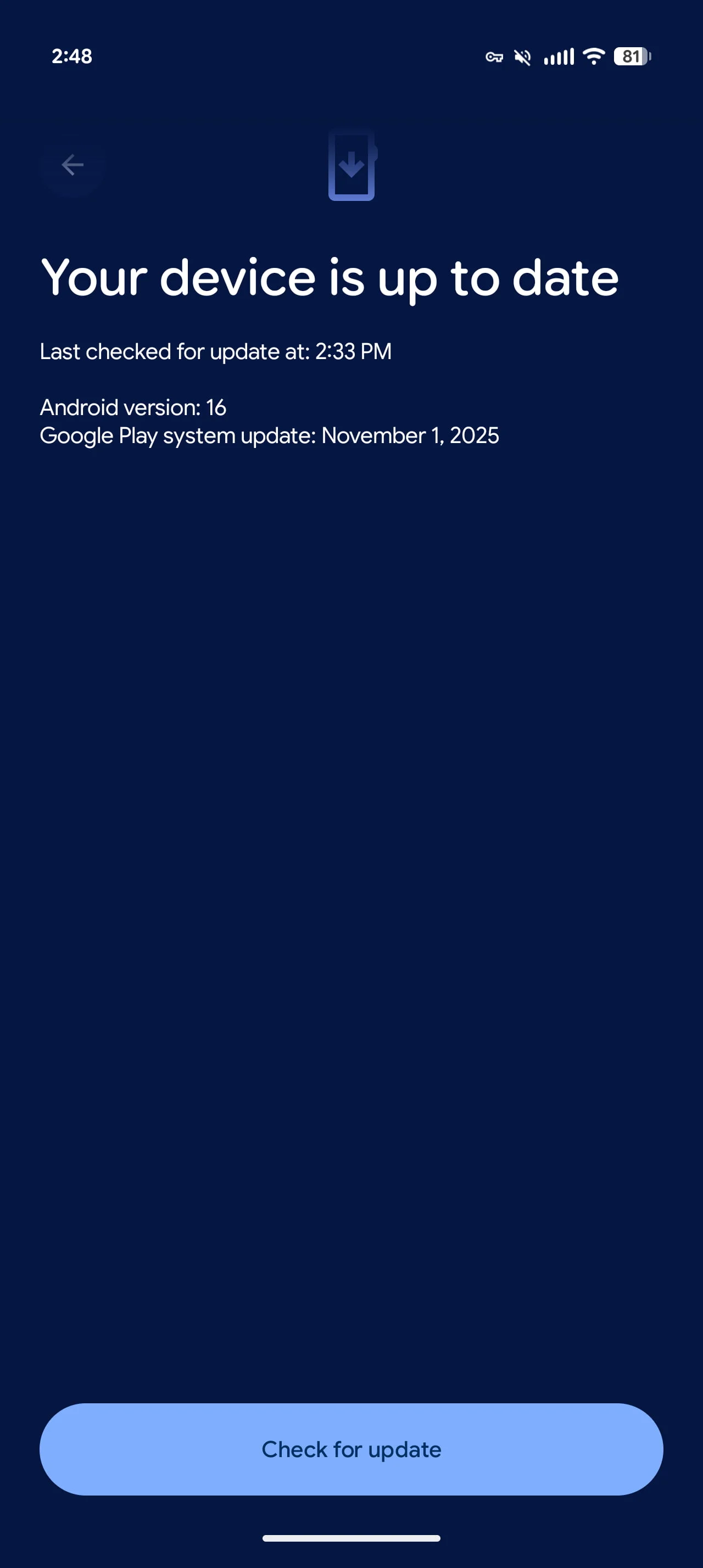
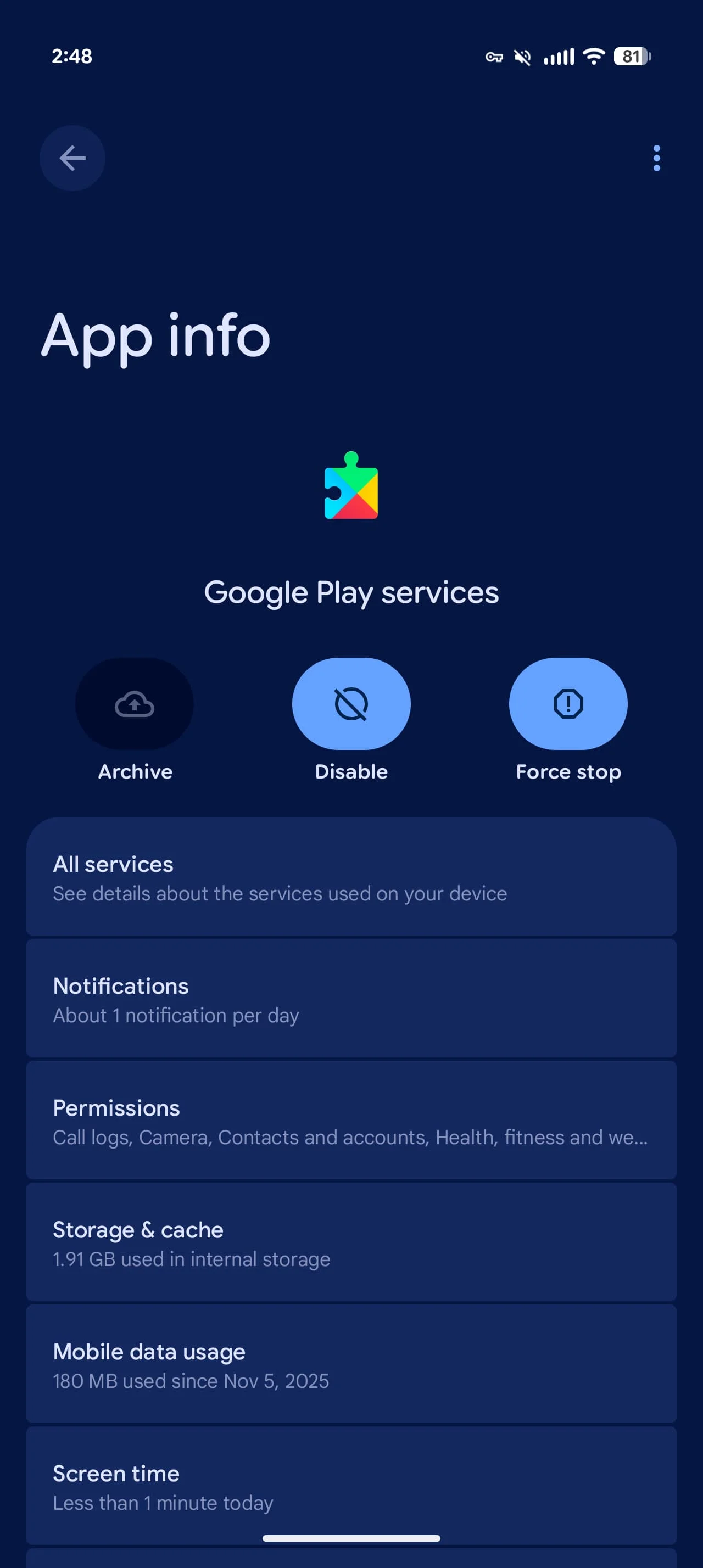
Google’s system components span services such as Play services, Play Store, Android System Intelligence, WebView and Private Compute Services. Their versions can be checked in each app’s App info screen; the Google Play system update version appears under Settings, About phone and Android version. On Pixel phones, the system services update page is available through Settings, the Google services area, All services, then Privacy & security.
The release dates show when changes entered the notes, not when every device will receive them. Google says some features can take months to reach broad availability, and certain capabilities may remain experimental or limited to selected users. For device makers and app teams, the developer-facing entries deserve attention alongside the visible features: this month’s changes touch connectivity, web content, Maps support and Automotive theming. For phone owners, XR pairing, locator setup and more informative Play Store features are the clearest changes to watch for.
Discussion
Sign in to join the discussion.