Google Wallet is rolling out an in-app updates feed and adding passport support for Estonia, Ireland, Italy and Spain.
Google Wallet’s latest Android updates tackle two everyday issues: keeping people informed about items stored in the app and making digital passport passes available in more countries. The changes are rolling out now, but availability varies by user and country. That uneven launch matters: a feature can be announced and still be absent from the phone of someone who wants to use it.
Wallet updates move into the app
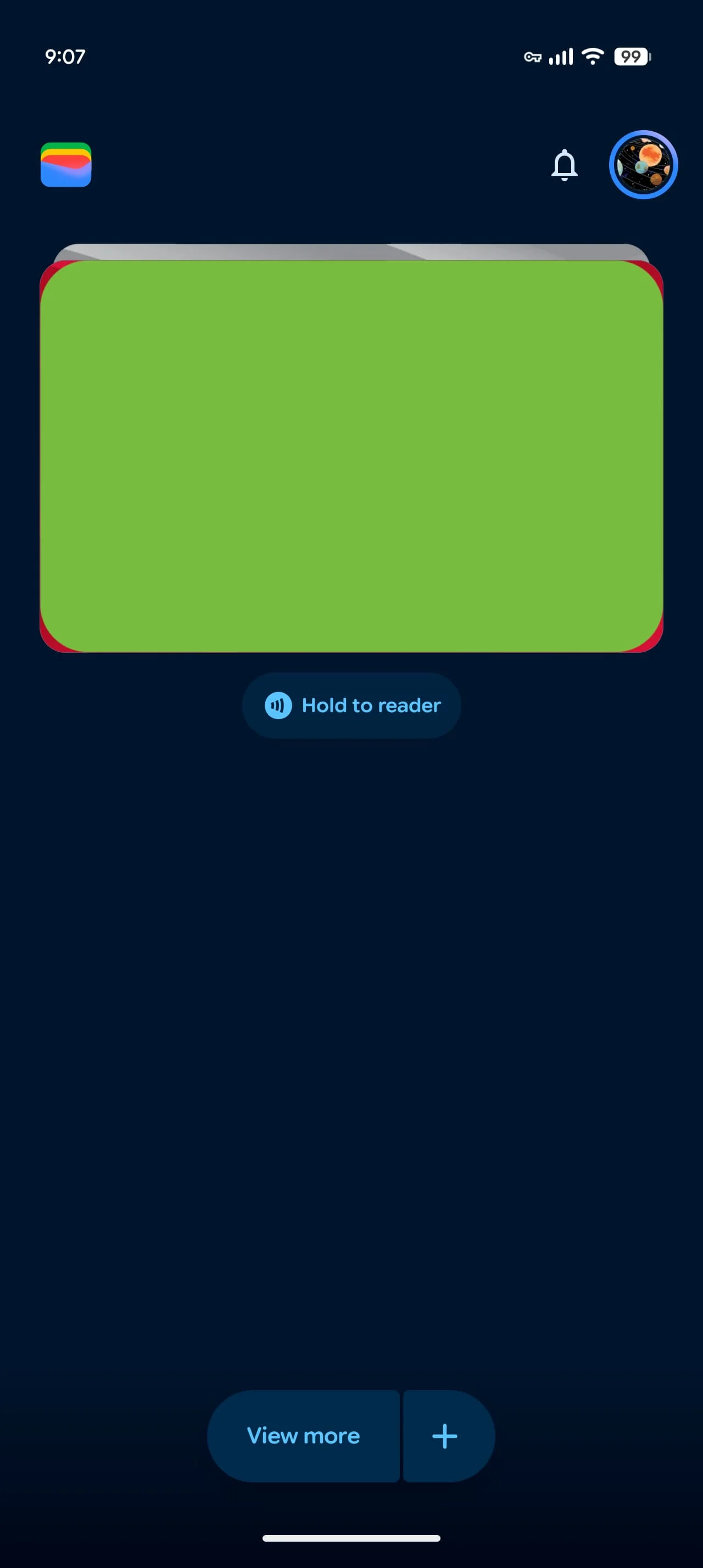
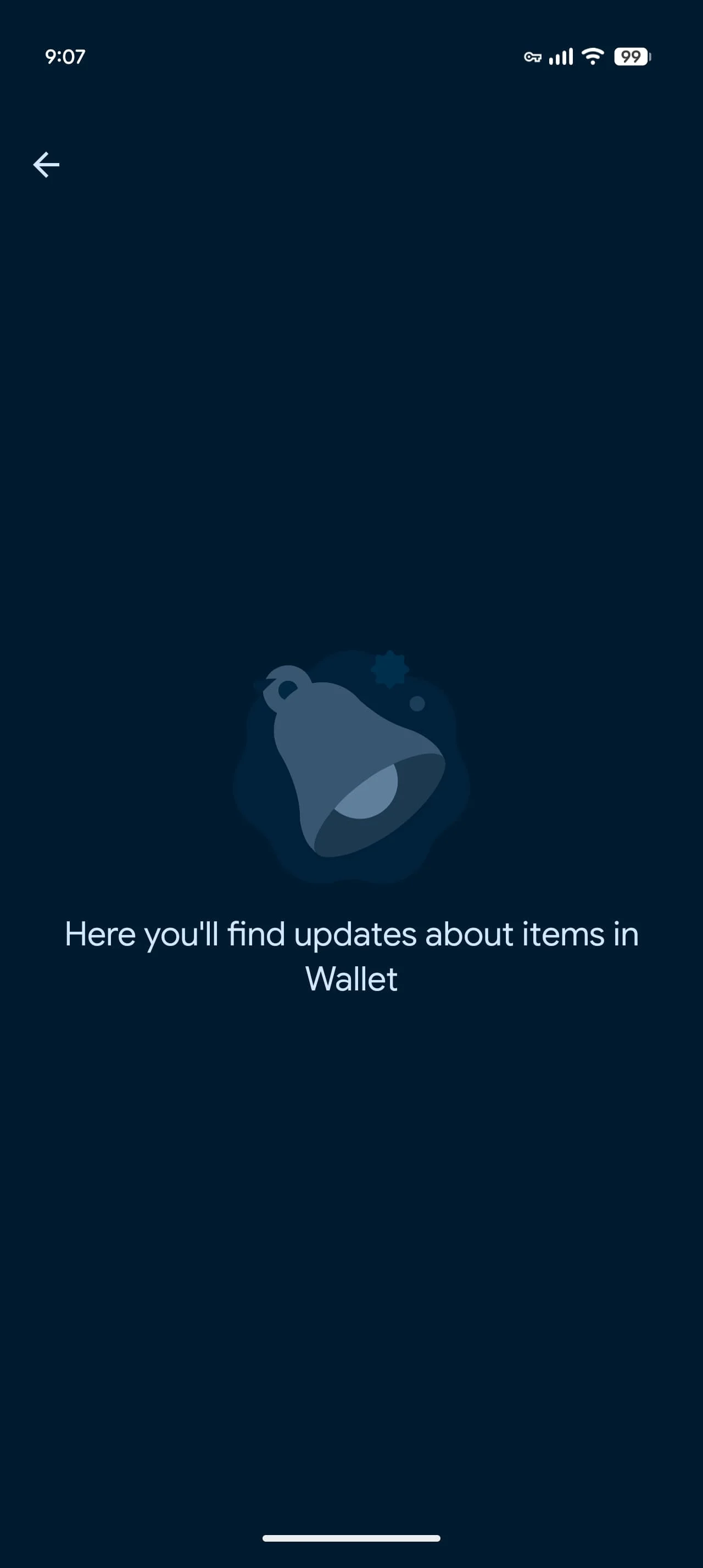
A bell beside the profile switcher on Wallet’s home screen opens a feed of “updates about items in Wallet.” Google previously described the feature as an “in-app message center,” suggesting that the feed is meant to collect information tied to items people have saved. The company hasn’t specified here exactly which kinds of items will generate updates or how frequently messages will appear, so the feed’s practical value will depend on what Google and its partners choose to send.
That distinction matters because a digital wallet can hold more than payment cards. As people add different kinds of passes and credentials, useful updates can be scattered across separate apps, emails, or notifications. A dedicated feed could make Wallet easier to check when someone wants to know whether an item needs attention. It could also become one more place to look if the messages aren’t clearly connected to the pass they concern.
The bell’s placement gives the feature a visible entry point without taking over the home screen. It’s a modest interface change, but one that may help people notice messages they’d otherwise miss. Here’s the thing: a message center only helps if it gives users relevant information and makes its purpose clear. Google hasn’t provided details here about notification controls, message history, or whether users can act on updates directly from the feed.
Its arrival is controlled by a server-side rollout, so it may not appear for everyone yet. That means two people using Wallet on Android could see different versions of the app at the same time, even if they’ve installed the same update. If you’re checking for the bell, its absence doesn’t necessarily mean your app is out of date; Google may simply not have enabled the feature for your account.
More passports join the ID pass list
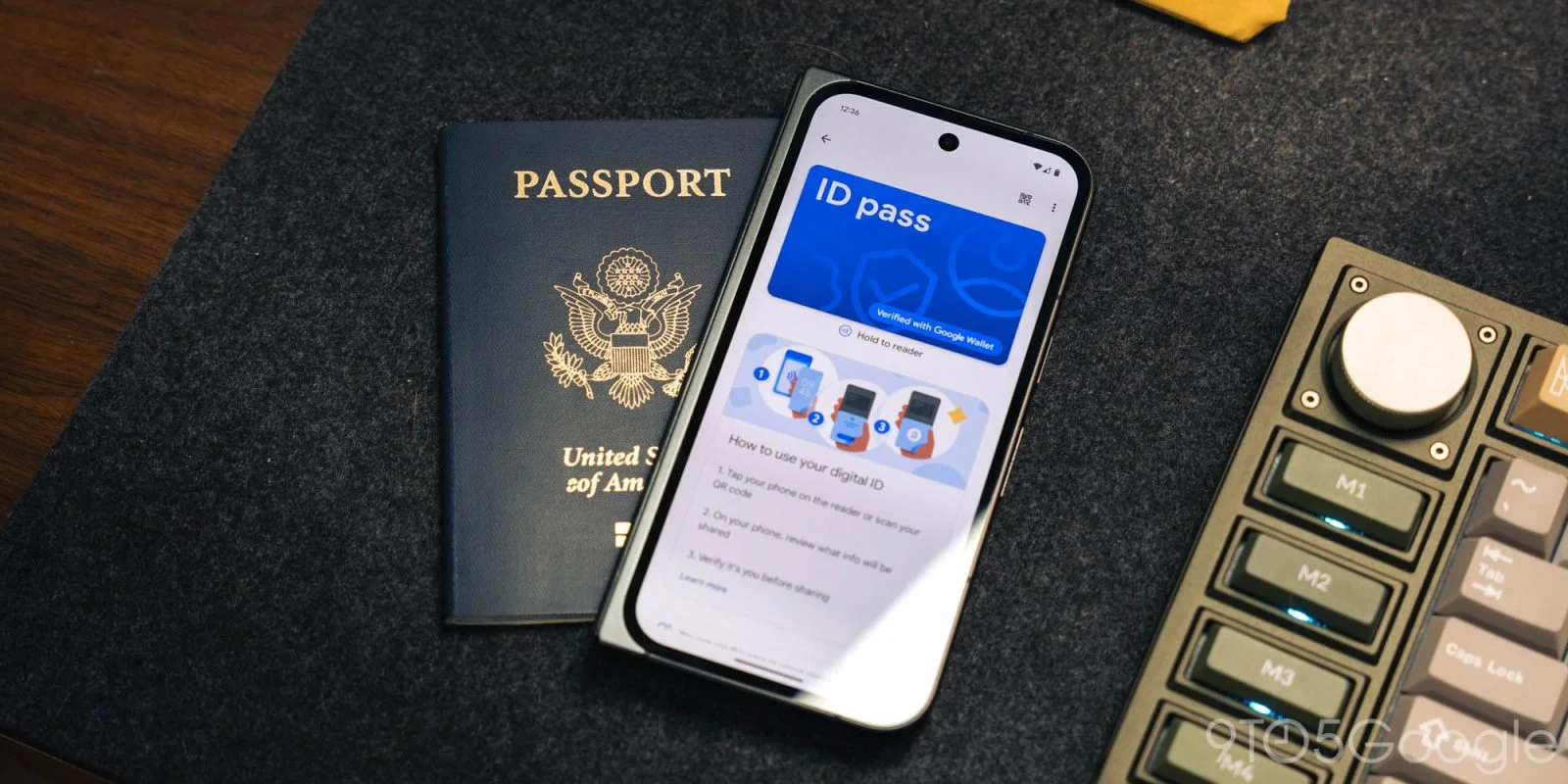
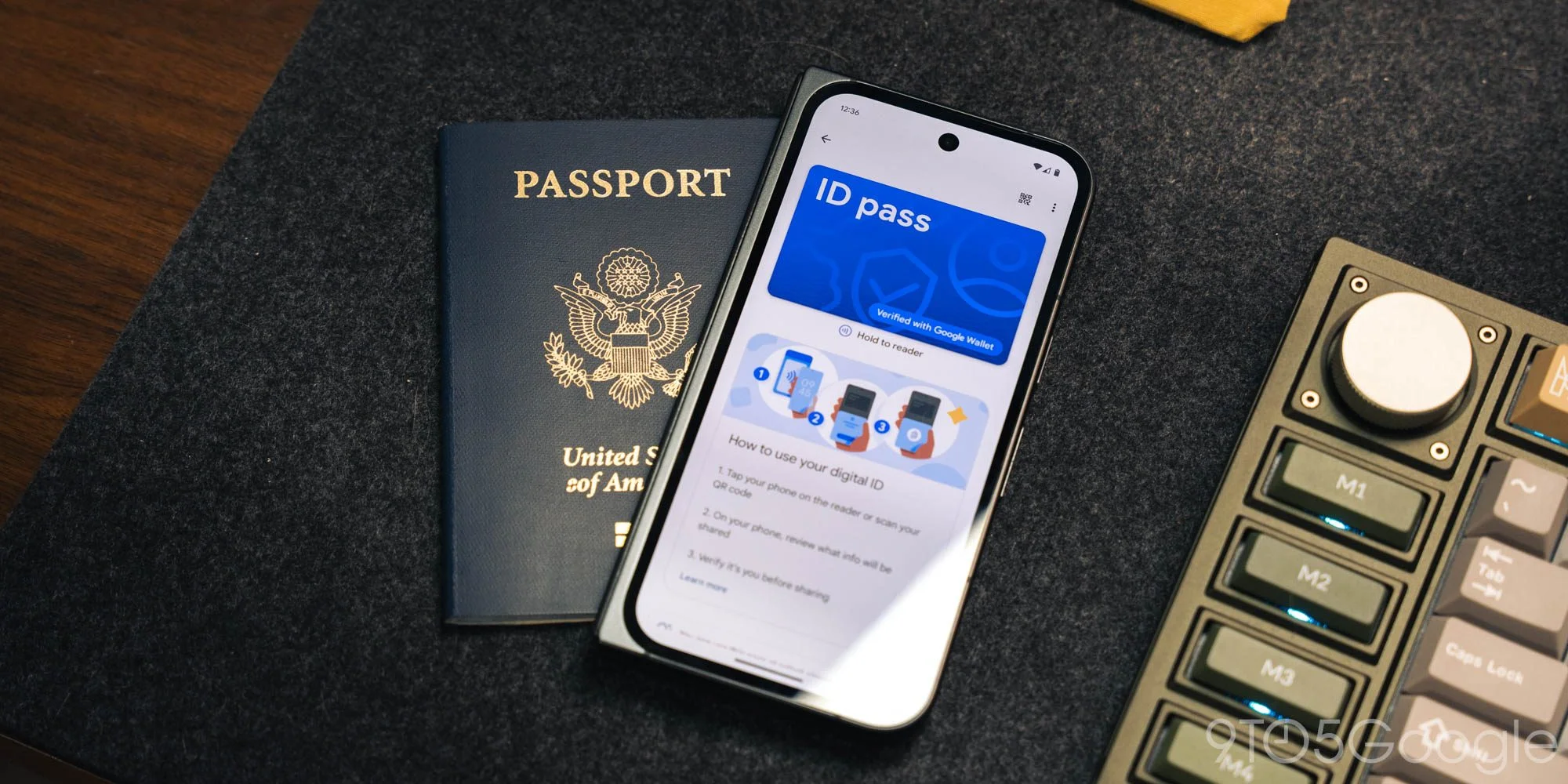
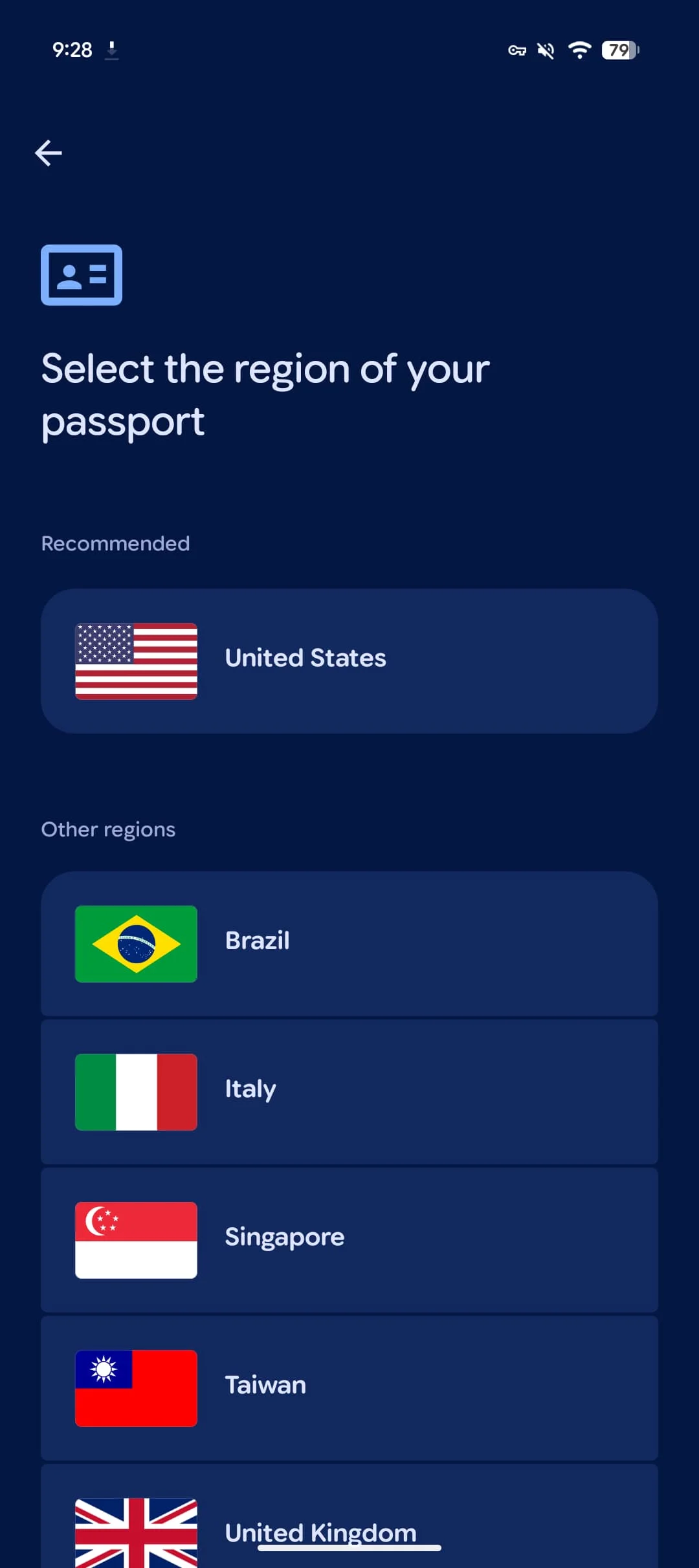
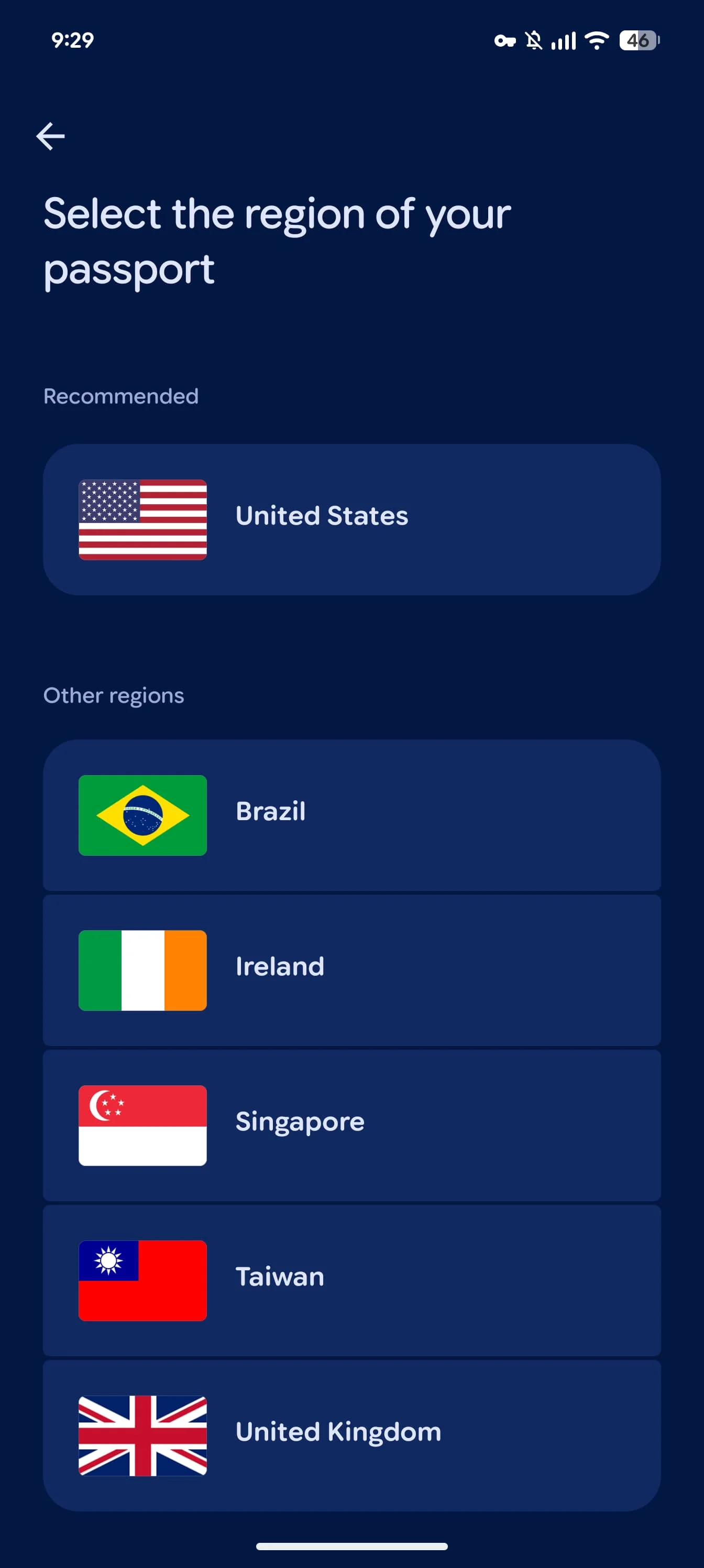
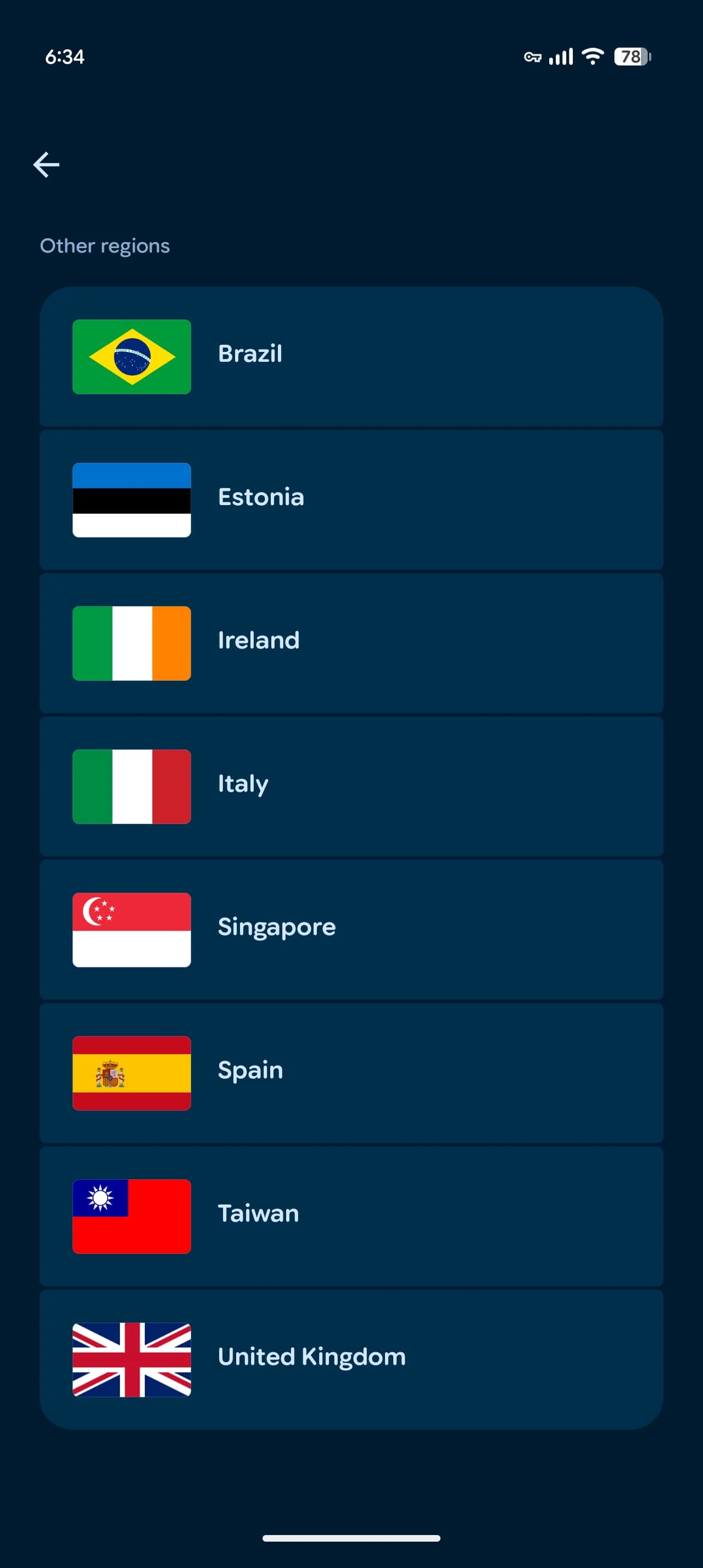
Wallet is extending its “ID pass” feature to more digital passports. Brazil, Singapore, Taiwan, the United Kingdom, and the United States were already supported; reports on October 23 indicate that Estonia, Ireland, Italy, and Spain are beginning to appear. The additions remain limited in availability, so the list of countries supported by the feature may not match what any particular user sees in the app.
That expansion is a useful sign of the feature’s reach, but country availability is only one part of the picture. Digital identity tools also depend on where a pass is accepted and what a person needs to do to set it up. Support in Wallet doesn’t, by itself, mean that a passport pass replaces the physical document for every purpose. The source describes a specific use in the US, and the supported uses differ by country.
In the US, a passport pass can be presented at TSA security using NFC or a QR code. Those two options give travelers more than one way to present the digital pass at the stated checkpoint. Yet the detail is narrow: the description doesn’t establish that the pass works at every airport or for every identity check. A digital credential can be convenient in the right setting while still leaving a physical passport necessary for other parts of a trip.
To add one, open the plus button, choose IDs & personal info, then ID pass. Setup requires scanning the passport’s information page and security chip, followed by recording a face video. Wallet sends a notification when verification finishes. That sequence shows why adding a passport pass takes more work than saving a typical loyalty card: the app has to collect and verify information from the document and the person setting it up.
The verification step also changes when users can rely on the pass. Starting setup isn’t the same as having a ready-to-present credential; people need to wait for Wallet’s notification that verification is complete. If you’re planning to use the feature, that distinction is practical: check that the pass is available and verified before counting on it at a checkpoint. A phone battery, a clear scan, and successful setup all sit between the idea of a digital passport and a pass that’s ready to show.
What the changes signal for Wallet
Taken together, the updates point to Google treating Wallet as a place to manage credentials and receive information about them, rather than only a screen for payment cards. The passport expansion gives that shift a concrete use, while the message center addresses what happens after an item has been saved. This is more significant than it looks: digital credentials are useful only when people can find them, understand their status, and present them where they’re accepted.
And yet, the announcement leaves important questions open. The message feed’s contents aren’t detailed here, and passport support remains dependent on both country and use. The features may become more useful as access spreads, but their value will be measured by clear communication and dependable availability, not by the mere presence of a bell or a new entry in a country list.
For now, the changes are incremental. A more organized feed could reduce the effort of tracking saved items, and additional passport support could bring digital identification within reach of more Wallet users. The caveat is plain: availability and acceptance still shape the experience. Progress, with conditions.
Discussion
Sign in to join the discussion.