Research reveals TAG-217's AI-fueled tactics exposed vulnerabilities in South Korean banks, affecting over 68,000 individuals.
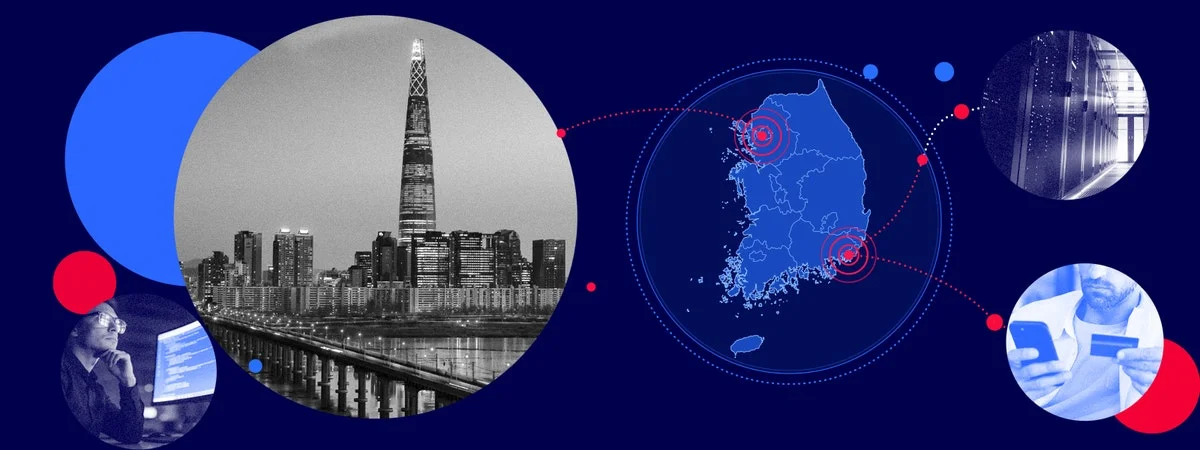
Insights into recent cyberattacks on South Korean financial institutions reveal that the actors behind these breaches, identified as TAG-217, had been laying the groundwork for their operations as early as August 2026, according to Recorded Future's Insikt Group. This preparatory phase preceded a wave of attacks that compromised personal data for at least 68,000 individuals across various banks.
Understanding the Threat: TAG-217's Emergence
TAG-217's rise represents a notable trend in the cybercrime sector, where specialists combine traditional hacking tactics with cutting-edge technologies. The fact that they began preparations for these cyber feats as early as mid-2026 aligns with broader intelligence suggesting that threat actors are increasingly engaging in prolonged reconnaissance phases before launching attacks. This patience allows them to design more strategic hits, utilizing detailed knowledge of their targets. Recorded Future's findings highlight this forethought, showcasing how TAG-217 wasn't just a flash-in-the-pan operation but rather part of a systemic trend towards sophisticated, long-term cyber campaigns.
Moreover, this situational backdrop presents a dual challenge. On one hand, it reflects an increasing maturity in cyberattacks, with actors like TAG-217 demonstrating sustained investment in their operational tactics. On the other, it underscores a vulnerability: consistent activity from these groups can offer cybersecurity professionals’s signs of an impending breach if they're keen enough to spot the breadcrumbs that these attackers sometimes leave behind.
Impact on South Korean Financial Institutions
In October 2026, the Financial Services Commission (FSC) of South Korea confirmed that several financial institutions had experienced cyberattacks that compromised sensitive systems and data. Notably, one of the breaches involved the personal information of an outsourced developer, while others resulted in the theft of widespread customer data. Sources indicate that the attackers utilized ARTEX, an open-source AI penetration testing framework, enhancing their ability to assess system vulnerabilities rapidly.
The consequences for the involved banks and their customers can't be overstated. Customer trust, often hard-won, can dissolve in the face of such data breaches. The financial sector relies heavily on user confidence to operate smoothly. When sensitive information is compromised, it's not just a monetary loss; it's a reputational blow that could haunt institutions for years. The FSC's acknowledgment points to an internal recognition that cyber threats are no longer peripheral concerns; they’re central to operational strategies.
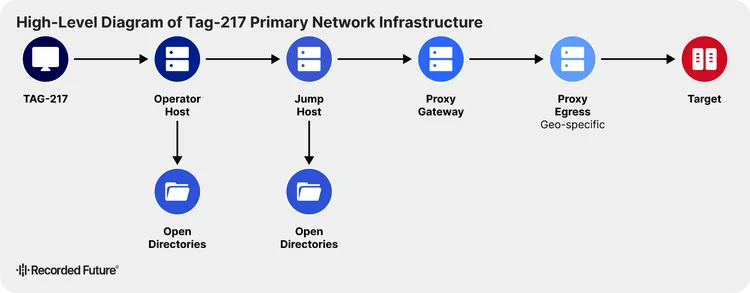
Furthermore, on October 7, 2026, subsequent analyses pinpointed that the attackers linked to TAG-217, likely fluent in Chinese, employed multiple AI tools, including Claude Code, DeepSeek, Grok, and Zhipu AI. Investigations into their network infrastructure revealed a primary server running ARTEX and the usage of residential proxies, a strategy aimed at masking the origin of their activities. Using residential proxies doesn’t just obscure the attacker's real identity; it also enables sustained access to networks by blending in with legitimate internet traffic, making it harder for conventional cybersecurity measures to flag malicious activity.
The Paradox of AI in Cyber Warfare
Underpinning this saga is a critical paradox in modern cyber warfare: while AI technologies offer substantial reach and scale, they often lead attackers to leave behind identifiable operational security failures. Insikt Group's analysis provides a clearer picture of TAG-217's capabilities, specifically their use of tools designed for stealing cryptocurrency wallet files and probing weaknesses in mobile devices and Linux systems. This showcases that while technological advancement can empower attackers, it can also backfire. Mistakes made during operations—perhaps misplaced confidence, or oversights in security protocols—can ultimately provide cybersecurity professionals with valuable clues to track and counteract threats.
This isn’t merely an oversight; it's an opportunity for defensive systems to innovate as well. Security teams can focus on identifying patterns, using the very tools that adversaries rely on against them. If you're working in this space, you must understand that attack vectors are constantly shifting, and innovations in AI can serve both attackers and defenders. The key is rapid adaptation and forward-thinking strategies in response to these threats.
Unpacking TAG-217's Operational History
Discerning the distinction between agentic and human-driven attacks can pose challenges, particularly when skilled threat actors enhance their methods with AI. TAG-217 exemplifies how AI can expedite and amplify intrusion attempts across multiple platforms. Despite their sophisticated techniques, mistakes in operational security offered Insikt Group a chance to trace the attack actor's earlier preparations, significantly broadening the understanding of their capabilities beyond what was initially reported.
Analyzing TAG-217's infrastructure not only sheds light on their current operations but also hints at their future strategies. Cybersecurity professionals often emphasize the importance of learning from past attacks, as these insights can inform more effective defensive mechanisms. The discovery of TAG-217's use of residential proxies and AI tools provides a playbook for defensive measures that other financial institutions can adopt to better prepare against similar threats. This is a catalyst for awareness—no one is immune, and denial can lead to disaster.
Future Implications and Outlook
What does TAG-217's emergence suggest about the future of cyber threats in the financial industry? The focus on AI-powered attacks is likely just the beginning. As security measures become more sophisticated, so too will the methods employed by attackers. This cyclical dynamic presents continuous challenges for institutions. Relying on traditional protective measures won’t suffice as adversaries evolve their techniques at an alarming pace.
Going forward, organizations must prioritize adaptive strategies that incorporate threat intelligence and invest in comprehensive AI-driven cybersecurity solutions. They also need to enhance their operational security training for employees to recognize phishing attempts and other common vulnerabilities. This multi-pronged approach could mean the difference in identifying potentially catastrophic breaches before they escalate.
This predicament reminds us that the world of cybersecurity is a battleground where both sides constantly innovate and adapt. The gap between offensive capabilities and defensive strategies is narrowing, but the playing field is still filled with risks and opportunities. Keep an eye on what's coming next—it might just redefine how we approach security in the digital age.
Discussion
Sign in to join the discussion.