Google's Pixel Watch will no longer support the LTE-based Safety Signal feature after December 12, limiting emergency features for users.
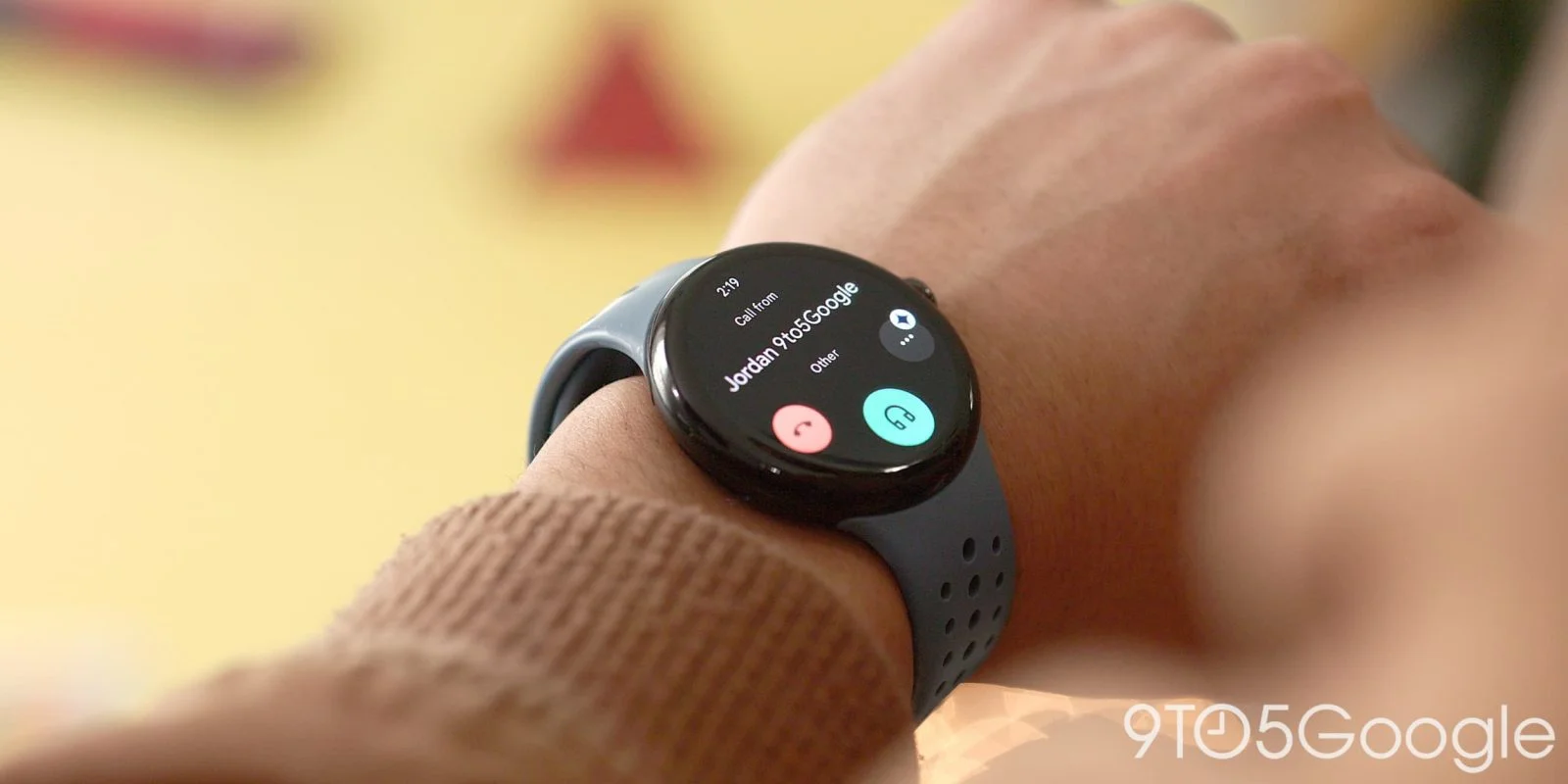
End of Support for Safety Signal
Google has announced that the Pixel Watch’s LTE-based Safety Signal feature will cease operations on December 12, 2023. This means that users won’t be able to access vital emergency features like Emergency SOS and Safety Check without a Bluetooth or cellular connection. The decision to turn off the Safety Signal raises questions about the emphasis placed on standalone emergency features in modern smartwatches. For many users, particularly those who rely on their wearable devices in lieu of a smartphone, this could be a significant drawback.
Overview of Safety Features
The Pixel Watch ecosystem includes a suite of safety mechanisms integrated within the Safety app, which works across both the Pixel Watch and Pixel devices. Among these features are Emergency SOS, which provides quick access to emergency services, and Fall Detection, designed to alert contacts if the wearer takes a hard fall. These tools reflect a broader trend in the tech industry, where manufacturers are increasingly integrating health and safety functionalities into wearable technology.
As health monitoring becomes ubiquitous in gadgets, it’s unsurprising to see companies like Google focusing on features that enhance personal safety. As a result, users have come to expect a minimum level of emergency support in their devices. For those who might be active outdoors or in potentially risky environments, these capabilities can offer peace of mind, allowing them to remain connected to emergency services even if their phone isn’t accessible.
Impact of Safety Signal's Termination
Previously, these features could function without an active mobile connection thanks to Safety Signal, which allowed the Pixel Watch 2 and 3 LTE models to communicate via LTE for urgent situations. This was particularly reassuring for users who did not have a phone or carrier plan readily available. With the discontinuation of this vital component, the reliability of emergency alerts significantly diminishes. You have to wonder how many potential crises users might face without this safety net in effect.
This change could disproportionately affect those who live in areas with poor cellular service or those who prefer to leave their phones behind while exercising or exploring. As wearables gain traction, the expectation is that they can serve as independent devices. If Google is stepping back from such capabilities, it might signal a retreat from the smartwatch as an all-in-one emergency tool.
According to Google, users subscribed to Google Health Premium will receive an email regarding this change 30 days in advance of the operational shutdown, although it remains active during the notice period. However, just notifying users may not suffice to alleviate concerns. Communication needs to be more than just a formality; it requires ongoing support and transparency as to how this impacts the user experience in practical terms.
Remaining Capabilities
While Safety Signal is going away, several safety features will still work, provided there is an alternative connection available:
- Emergency SOS
- Safety Check
- Emergency Sharing
- Fall Detection
Despite its limitations to only certain models, the discontinuation of Safety Signal marks a notable reduction in the emergency preparedness capabilities of the Pixel Watch line. The remaining features may still offer support, but they now rely entirely on having some form of connection available to function, which could lead to a frustrating experience during emergencies.
This illustrates a broader issue: many tech companies tend to pull back on services that don't necessarily align with their core business goals, particularly when it comes to maintaining a subscription model. It makes you question whether Google will come up with a satisfactory workaround or entirely new features to compensate for this decision. Or are users simply giving up features for the price of their subscription?
Future Outlook and Implications
This shift might not just be a one-off incident but could highlight a trend concerning consumer expectations for device independence. If you're working in this space, you should consider what this means for user trust and device reliability. There's a growing sentiment that smartwatches should function effectively on their own, particularly in emergencies. When companies fail to meet these expectations, customers often start looking elsewhere. If this change leaves many users dissatisfied, competitors could step in to fill the gap with devices that emphasize emergency features more heavily.
The implications of losing Safety Signal stretch beyond Google. Other manufacturers could interpret this move as a sign that the tech giant is pulling back from the smartwatch arms race, or they may find it a risky path—broadening their appeal by emphasizing standalone emergency features. (And this is the part most people overlook.) The direction smartwatches take is likely to follow user demand for independence and reliability, especially in emergency situations.
This situation raises questions about the viability of subscription-based health services and whether they will actually enrich or cripple the functionality of wearables. With Safety Signal going away, it becomes clear: the expectations of users are rising. Whether companies can adapt or miss the mark will define the next phase of smartwatch development.
Discussion
Sign in to join the discussion.