Organizations must rethink identity verification in light of advanced synthetic media, which challenge traditional security measures and defenses.
Rethinking Identity Verification
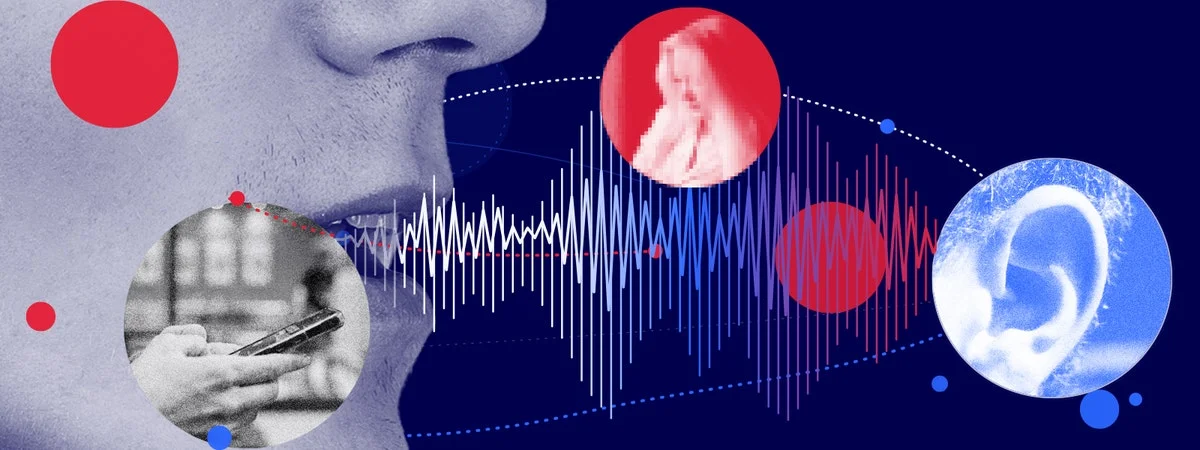
As AI progresses, social engineering tactics have evolved, particularly with the rise of synthetic media. Traditional methods of verifying identity—often relying on visual and auditory cues—are becoming increasingly outdated. This shift is largely due to the sophistication of deepfake technology and other forms of synthetic media, which can convincingly mimic real individuals or fabricate scenarios. As a result, organizations are required to rethink and reengineer their identity verification processes. The potential for misuse is significant, and so is the urgency for developing new methodologies that can withstand these advanced threats.
Challenges Posed by Synthetic Media
AI's capabilities allow for the personalization of phishing attempts, the creation of counterfeit websites, and automated responses, all of which make traditional security practices more essential yet insufficient against evolving threats. What's alarming here is that synthetic media doesn't just represent a technological challenge; it introduces a psychological maneuver as well. With the ability to tailor phishing schemes that speak directly to individual concerns, attackers can exploit human emotions more effectively than ever. Existing defenses like filtering and verification routines have been shown to lessen the effectiveness of typical attacks. However, the emergence of synthetic media complicates this scenario significantly. The stakes have shifted—no longer are we merely guarding against predictable approaches; we need to brace for an unpredictable adversary that wields technology as a weapon.
The Limitations of Traditional Defenses
Synthetic media erodes the reliability of audiovisual and biometric cues, which both individuals and security systems typically rely on for identifying authentic sources. This is particularly concerning for sectors that heavily rely on identity verification to function, such as banking and healthcare, where breaches can have severe consequences. Studies show that detecting deepfakes poses significant challenges, particularly outside of controlled environments. Even highly trained security personnel can struggle with pinpointing the difference between doctored and authentic content when it comes to high-quality deepfakes. This reality means that organizations can't solely depend on familiar voices or appearances as verification tools; such approaches often fall short. It’s an issue that requires innovative thinking and technological advancement to tackle.
Redefining Risk Assessment
It's critical for organizations to recognize that classifying all AI-enhanced threats as similar can create a false sense of security. This homogenization of threats might lead decision-makers to believe that their current defenses are adequate against all forms of AI-related attacks. In doing so, they ignore the multifaceted risk posed by synthetic media, which operates with a different set of rules. Without adapting to the unique vulnerabilities posed by synthetic media, they remain at risk of attacks that existing safety protocols cannot address effectively. This miscalculation isn’t just theoretical; breaches from these vulnerabilities can lead to severe financial implications and reputational damage.
The Future of Identity Verification
So, what's next? The future of identity verification will most certainly involve a blend of advanced technologies and new methodologies designed specifically for the challenges posed by synthetic media. For instance, organizations might begin to implement layered verification techniques that don't rely solely on biometric or audiovisual signs but instead incorporate behavioral biometrics, contextual data, and real-time analytics. By diversifying verification methods, they can create a more hostile environment for malicious actors while safeguarding user trust.
Implications for Businesses and Individuals
This is more significant than it looks. As organizations ramp up their defenses, the implications reach into everyday business dealings and personal interactions. If you're working in this space, you'll need to be acutely aware that a single successful attack could prompt a ripple effect, possibly leading to regulatory scrutiny and diminished customer confidence. The responsibility of protecting sensitive information extends to individuals as well—consumers must increasingly exercise caution and skepticism in their online dealings. The rise of synthetic media also demands that individuals educate themselves on the potential for deception in digital interactions.
And here's the part most people overlook: adopting new technologies won't be a one-time solution; instead, it’ll require continuous updates and vigilance as synthetic media techniques evolve and improve. Being proactive in looking for solutions will go a long way in mitigating risk. Organizations will likely have to invest in ongoing training for employees to recognize the complexities of AI-enhanced attacks, coupled with regular updates to their technology stacks to respond to the changing dynamics of security threats.
Ultimately, the interplay between AI and synthetic media presents a new frontier in cybersecurity challenges. The question isn’t just how organizations will protect themselves, but how they can do so in a way that balances security with user experience. The answers won’t come easy, but embracing change is paramount in this increasingly risky environment.
Discussion
Sign in to join the discussion.