JIYI SOON aims to democratize game development by enabling users to create games from ideas using AI, reducing reliance on specialized programming skills.
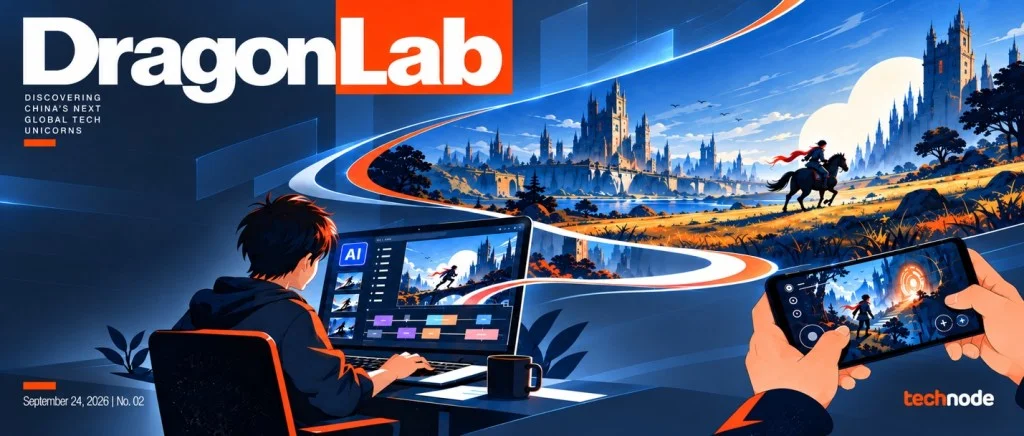
Traditionally, making a video game has been a painstaking process demanding diverse skills, from design to coding and art. Yet, a new approach is shaping how we think about game creation, aiming to make it far more accessible. Enter JIYI's SOON, an AI-driven platform that is shifting the paradigm by enabling creators to transform written ideas into playable games, bypassing the complex learning curves associated with conventional game engines.
The vision behind the SOON platform is straightforward yet ambitious: to create a game studio in merely minutes. By focusing on natural language interactions, SOON reduces the workload typically shouldered by developers, artists, and designers. The idea is for users to express their vision in words while AI manages the technical execution, accelerating the transition from concept to prototype.
A Shift in Game Development Tools
In understanding SOON's transformative potential, we can look back at earlier innovations like GDevelop. Founded as an open-source project in 2008, GDevelop provides a no-code environment for creating games, utilizing a visual system of events rather than traditional programming languages. This approach has empowered many aspiring developers to create games without needing deep technical skills, serving as a useful reference for JIYI's efforts with SOON.
While GDevelop continues to evolve, integrating AI features into its game-engine framework, SOON aims to go a step further. It seeks to minimize user interaction with coding mechanics even more by enabling users to input their ideas in plain language, which the AI then translates into game mechanics and features. This shift could redefine accessibility in game creation, allowing a wider array of people to engage in this creative field with less technical knowledge.
Focused Strategy on 2D Gaming
Currently, SOON is concentrating on 2D games and mini-projects. This focus allows the platform to streamline production and maintain stability in the output while reducing the complexity typically found in broader game-development engines like GDevelop, which accommodates both 2D and 3D environments. While SOON's narrower scope means it might not rival the comprehensive capabilities of traditional engines, it prioritizes AI-driven automation, laying a foundation for more ambitious AI-assisted gameplay creations.
The results speak volumes: during its latest testing phase, SOON enabled users to create over 3,000 game projects in just 45 days, showcasing its potential to facilitate rapid prototyping and design. Each generated project benefited from AI's ability to develop code, control game logic, and create user interfaces, revealing SOON's significant role in streamlining the development process.
Emerging from a Unique Ecosystem
JIYI's development story stands apart from many AI gaming startups in the United States, which often stem from software or AI research backgrounds. JIYI operates within China's vibrant gaming landscape, where AI's contribution to game development is being actively explored. The company is backed by prominent investors and incubated by Kingnet Network, aligning its vision with a growing demand for innovation in game production.
As it gains traction, SOON is also receiving recognition across the industry. Notably, it was honored at the 2025 China International Artificial Intelligence Conference as one of the year's most innovative AI products, further validating its approach in a highly competitive field.
Empowering Individual Creators
One of the most fascinating aspects of platforms like SOON is their potential to empower small teams and independent developers. By lowering the barriers to entry, creators can now realize ambitious projects that would have previously demanded extensive collaboration and specialized skills. AI-driven tools can automate the more technical aspects, allowing creators to focus on refining and testing their ideas.
This shift mirrors trends in other creative sectors where technology has democratized access. For instance, just as digital cameras and editing software revolutionized photography and video-making by making tools more accessible, SOON could tilt the balance in game development. This opens the door for creative individuals with innovative concepts but limited development skills to explore the possibilities of game creation.
The Inner Workings of Game Engagement
Creating a game involves intricate mechanics, pacing, and engagement. Challenges arise when considering how to maintain player interest, as success relies on an array of factors beyond just the basic components. Tools like SOON strive for a comprehensive approach that combines coding, game logic, and content creation in one cohesive process, offering streamlined workflows.
Yet, despite the capabilities of platforms focused on asset generation or character development, SOON intends to deliver complete, playable experiences. Other projects may tackle specific aspects of game design, but SOON is committed to treating the entire creative process as a unified system where AI contributes across all stages of development.
Rethinking the Future of Game Creation
Platforms like GDevelop have begun the journey toward simplifying game development, but SOON represents an evolution of that idea by integrating AI more deeply into the creation process. While SOON continues its development, its goal isn't to replace traditional development teams but to form a new workflow where anyone with an idea can quickly see it take shape. This signifies a transformative shift in how games may be created and who gets to participate in this exciting field.
As the landscape evolves, tools enabling users to communicate their ideas and watch them materialize could democratize the gaming industry even further, ultimately enriching the spectrum of creativity in game development.
Discussion
Sign in to join the discussion.