The Pixel 11 Pro’s new 'HiLight' feature underwhelms with limited functions, failing to innovate and leaving users wanting more utility.
Introduction to 'HiLight'
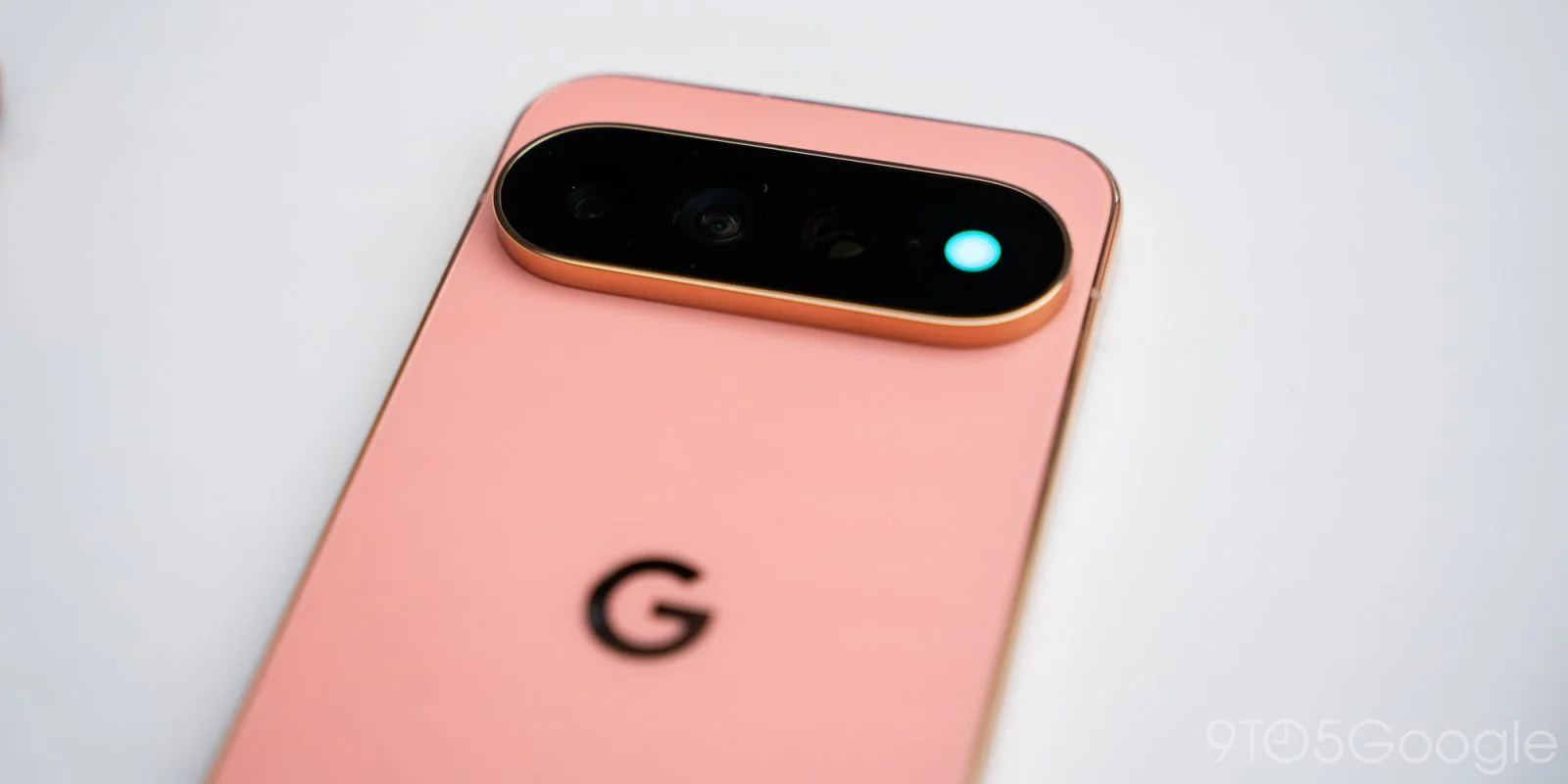
Google's Pixel 11 Pro is making headlines with its newly launched 'HiLight' feature, a rear-facing LED designed ostensibly to enhance user interaction. At first glance, such an idea seems promising. However, a closer examination reveals that the reality of 'HiLight' falls disappointingly short. This reflects an ongoing pattern of features that feel half-finished in Google's smartphone line, highlighting a broader issue in how the tech giant is approaching user engagement and innovation.
Historical Context: Past Features That Missed the Mark
Since the inception of the Pixel brand, Google has consistently pushed the envelope with creative features intended to differentiate its devices from competitors. Yet, this has often resulted in frustration among users when these elements either disappeared in subsequent models or failed to deliver on initial promises. Let’s take a moment to reflect on some notable examples:
- Pixel 2: The "Active Edge" feature, which allowed users to summon Google Assistant by squeezing the device, was ultimately discarded in the Pixel 5—a move that left fans of the feature feeling abandoned.
- Pixel 3: Introduced dual selfie cameras for wide-angle shots, these soon vanished from the lineup, raising questions about the commitment to user-facing innovations.
- Pixel 4: Featured Soli technology for gesture controls and facial recognition, but this feature was short-lived, signaling a lack of follow-through on ambitious concepts.
- Pixel 8 Pro: Launched with a temperature sensor capable of gauging surface heat, yet this functionality had fallen out of favor by the introduction of the Pixel 11—demonstrating a pattern of rapid disengagement from experimental features.
The HiLight Feature: Limited Utility
The arrival of 'HiLight' embodies this trend of underwhelming features. Its capabilities are restricted primarily to signaling two functions: alerting users of incoming calls from designated contacts and indicating when Google’s Gemini AI is active. This narrow scope not only raises concerns about the strategic direction of the Pixel lineup but also begs the question of the kind of user engagement Google is aiming for. Why not expand the utility beyond phone calls to something that genuinely enhances the user experience?
Opportunities Wasted: The Case for Notification LED
One glaring misstep with 'HiLight' is its lack of functionality as a customizable notification LED. Imagine the potential of this LED lighting up in various colors, indicating different app notifications—red for Instagram updates, blue for new messages, or green for calendar alerts. Such capabilities could have infused a vibrant, interactive element into the device, particularly appealing to younger users who prioritize text communications over voice calls. Instead, the feature focuses solely on alerts for phone calls, a missed opportunity that feels particularly tone-deaf amid today's diverse communication preferences.
First Impressions Matter
The introduction of 'HiLight' has struck many as careless, especially considering the precedent set by the Pixel 8 Pro's temperature sensor, which garnered poor initial reception primarily due to ongoing usability issues. If you're working in this space, you know that first impressions count significantly. In today's competitive market, where alternatives abound, a lackluster feature can lead to negative user sentiment that lingers long after launch. Many now view 'HiLight' as underwhelming, overshadowed by its perceived lack of functionality and engagement.
Consumer Response and Future Outlook
Disappointment among early adopters is palpable. Users expect hardware and software integrations that enhance their daily routines rather than restrict them. This reaction isn't just about the limitations of 'HiLight'; it’s about the expectation that Google would provide a cohesive, engaging experience. As Google continues to evolve its Pixel line, analysts will watch closely to see if future iterations can learn from these past missteps—specifically, the importance of aligning features with user needs. Users desire features that address genuine problems instead of mere gimmicks.
Significance of HiLight and Implications for Future Designs
The lukewarm reception of 'HiLight' speaks volumes about a recurring theme in Google's approach to feature development. It lays bare a potential disconnect between what Google thinks users want and what they actually need. If the company hopes to regain its standing among tech-savvy consumers, a pronounced shift toward concentrating on practical, useful features is essential. This is more significant than it looks; the survival of the Pixel brand may hinge on whether these products find resonance with users in a crowded smartphone market.
Conclusion: What Lies Ahead for Pixel's Features
At the heart of 'HiLight' feature's lukewarm debut lies a broader narrative about Google's iterative design philosophy. The tech giant has frequently experimented with new functionalities; while creativity is commendable, the execution often feels lacking. The onus is on Google to reassess its strategy—crafting not just features for the sake of novelty but ensuring they align with user needs and expectations. Here’s hoping that Google finds its way back to form, crafting products that truly fulfill the aspirations of its user base.
Discussion
Sign in to join the discussion.