Leaked battery specifications for Samsung's Galaxy S27 series hint at improvements, but do they measure up against competitors?
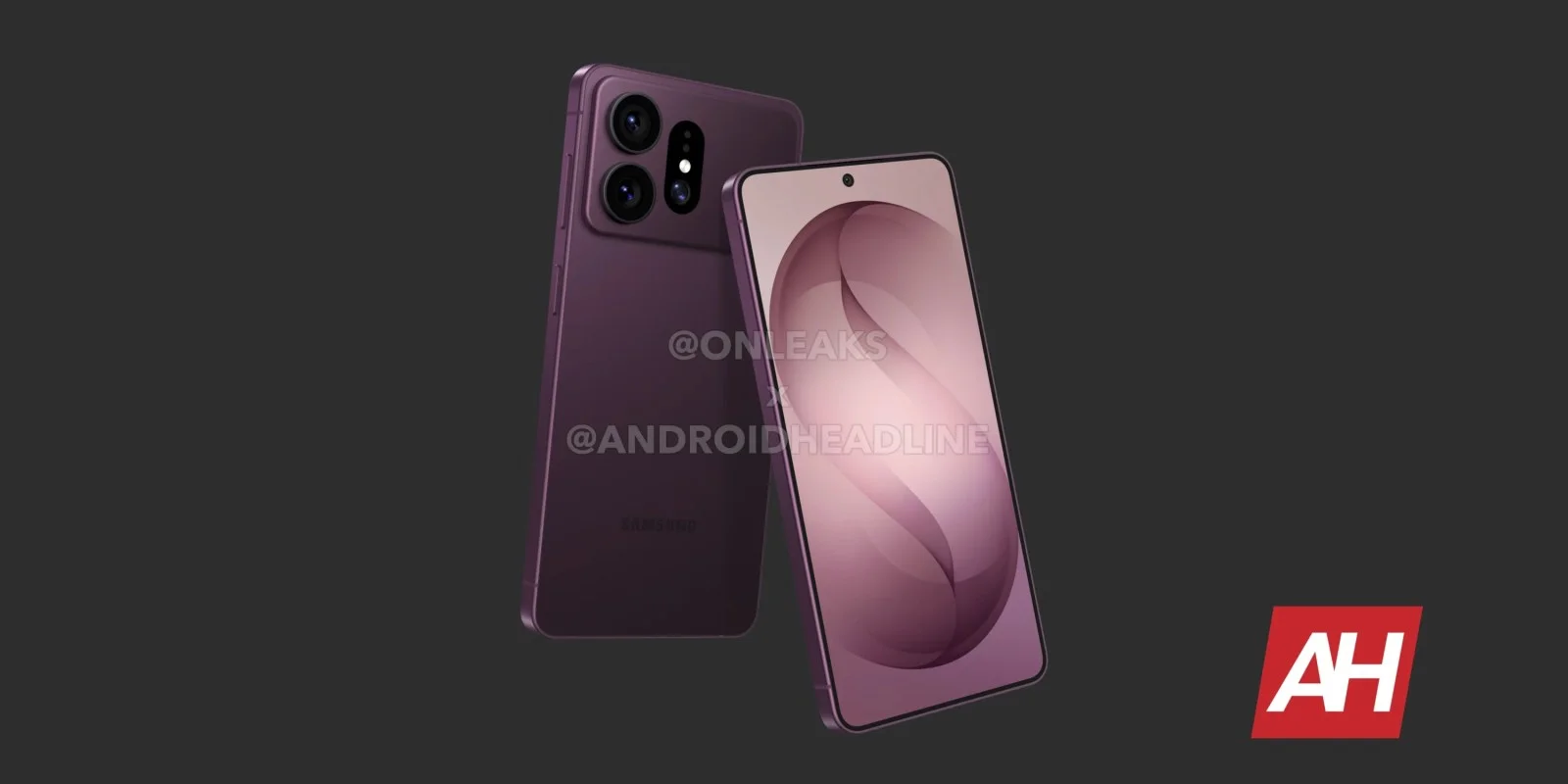
Recent leaks have surfaced regarding the battery sizes for the Samsung Galaxy S27 Ultra and S27 Pro, showcasing some much-needed advancements—though the question remains, is it sufficient?
Advancements in Battery Technology
After integrating silicon-carbon battery technology in the Galaxy Z Fold 8 series, it seems logical for the S27 models to follow suit. Although there's still no official confirmation, a regulatory document leak (reported by GSMArena) provides insight into the anticipated battery capacities for these flagships. This process illustrates Samsung's gradual shift toward more advanced battery technology across its flagship offerings.
Silicon-carbon batteries have been heralded for their increased energy density, which could explain some of the capacity improvements we’re seeing. This transition aligns with a broader industry trend where manufacturers are continually seeking new materials and technologies to maximize performance while mitigating issues related to space and weight. As smartphones become harder to differentiate, battery technology serves as one of the few domains where manufacturers can provide tangible enhancements that impact usability.
Battery Capacity Breakdown
The measured capacities are as follows, with typical advertising slightly higher than these figures. The S26 Ultra sports an advertised capacity of 5,000 mAh, compared to its rated capacity of 4,855 mAh. Here’s the breakdown for the new models:
- Galaxy S27 Ultra: Rated 5,534 mAh | Expected advertised capacity around 5,700 mAh
- Galaxy S27 Pro: Rated 5,087 mAh | Expected advertised capacity around 5,200 mAh
While there’s no direct predecessor to compare with the Pro model, the S26 offered a 4,300 mAh battery, making this leap quite noteworthy and indicative of Samsung’s efforts to bolster its flagship performance. For the S27 Ultra, the upgrade translates to approximately 700 mAh more—though that’s still only a 14% increase after several years without significant growth.
Battery performance is a critical factor for smartphone users. With the demand for longer-lasting devices becoming increasingly urgent, a 14% increase doesn’t seem remarkable, particularly for a company that typically leads in this arena. The last few flagship iterations have shown relatively modest growth in capacity compared to expectations set by, for instance, the rapidly advancing battery technology in the wider market.
Charging Features and Industry Standards
Both models are also set to feature 60W wired charging, aligning with current standards. In recent years, manufacturers have raced to slap higher wattage onto charging solutions, which has raised expectations for consumers. This 60W standard is not a standout; competitors are pushing over 100W, meaning Samsung is playing catch-up rather than setting the pace. If you're working in this space, you have to ask: are these specs robust enough to satisfy increasingly discerning consumers?
Much like battery capacity, the charging speed is often a soft spot for manufacturers to showcase their technology. However, you'll find that charging speed and efficiency are just as important as battery capacity itself. The market has shown a definite trend towards faster charging solutions, and Samsung’s comparatively modest offering of 60W might seem underwhelming when set against competitors who are actively redefining what consumers can expect.
Comparative Market Analysis
However, considering the rise of silicon-carbon batteries, which have enabled other Android brands to push the envelope with batteries over 6,000 mAh—and even speculations of the Oppo Find X10 possibly debuting with an 8,000 mAh battery—the S27 range’s improvements might not seem quite enough in the competitive market. The landscape of smartphone specifications often resembles a high-stakes race, where even slight advancements can make all the difference. Samsung appears to be treading cautiously, but that strategy has its risks.
The competition is not just looking at Samsung but also defining expectations through their own innovation. If companies like Oppo are pushing towards those eye-popping battery numbers, Samsung risks falling behind in consumer perception, even if these advancements are well-calibrated for most users’ needs. (And this is the part most people overlook: often the perceived quality isn’t just about raw specs but also brand reputation and user experience.)
Consumer Expectations and Future Outlook
What’s your take? Have Samsung's upgrades hit the mark? Let us know your thoughts in the comments. The real challenge for Samsung lies not only in meeting these specs but in aligning them with consumer expectations that have ballooned in recent years.
It’s not just about increasing capacity and charging speed; it's about creating a narrative that resonates with users. Samsung has traditionally excelled in marketing that narrative effectively, but if the specs lag behind competitors, that story loses its impact. This evolution of user expectations demands a rethinking of how companies like Samsung communicate their advancements.
Discussion
Sign in to join the discussion.