Recent images reveal Asus’ Googlebook with a large trackpad and a variety of ports, setting the stage for its upcoming pre-orders.
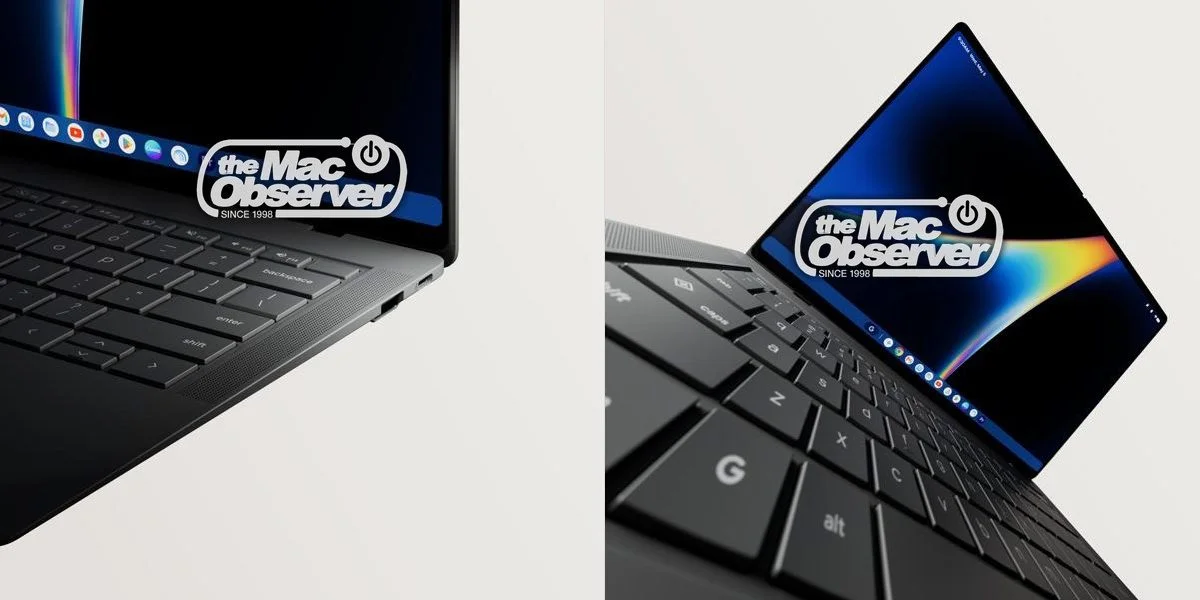
Newly leaked images showcase the Asus Googlebook, highlighting its sizable trackpad and an assortment of ports designed to enhance functionality.
After an initial reveal last month, these latest photos provide a more detailed look at Asus’ fresh entry into the laptop market. The Mac Observer acquired a set of images that detail various perspectives of the device, creating a buzz among tech enthusiasts and potential buyers alike.
Port and Design Overview
Observations from the side views indicate the laptop will feature at least two USB-C ports, several USB-A ports, and a headphone jack. In an age where connectivity is paramount, the variety of ports suggests that Asus is listening to user needs. You'll find that these connectivity options reflect a growing trend in consumer demand for devices that cater to a diverse set of peripherals and accessories. Instead of locking users into a single standard, these ports allow for the flexibility that working professionals often require.
The keyboard appears to be well-designed, avoiding the shallow keys often seen in contemporary laptops. Many users have bemoaned the shift towards flatter keys that sacrifice tactile feedback for aesthetics. Asus seems to be taking a different approach here, recognizing that a quality typing experience is essential for productivity. A thoughtful design can alleviate some of the strains that come from long typing sessions. Another notable addition is a fingerprint sensor for added security. As data breaches become increasingly common, incorporating biometric options is more salient than ever for maintaining user trust.
The expansive trackpad promises a comfortable user experience. In discussions around laptop ergonomics, the trackpad is often an afterthought, even though it’s a critical interface for users. A larger trackpad not only provides ample space for navigational gestures but also contributes to a smoother workflow. To top it off, the display extends nearly to the device's edges, maximizing screen real estate. This design trend is notable, as manufacturers are continually striving to create immersive viewing experiences without significantly increasing the device's overall dimensions.
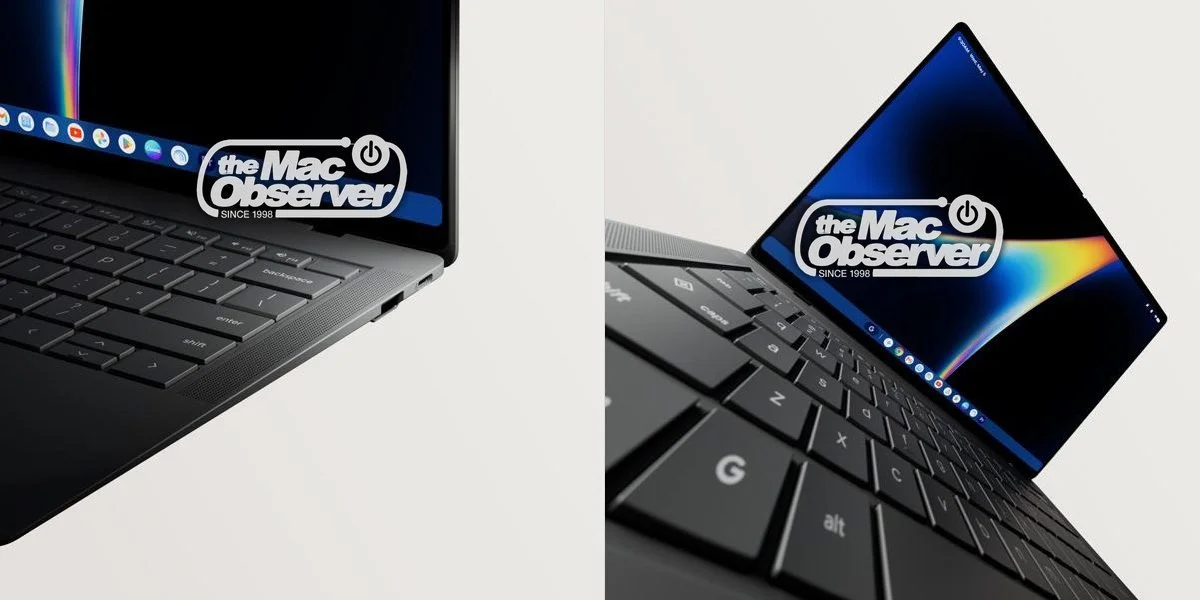
Further images showcase a unique “G” key positioned where you’d typically find the Start or CMD button on other platforms. This quirk is more than just a design decision; it indicates a tailored experience for Google users. The integration of such elements likely highlights Asus's intention for the device to appeal specifically to Google's ecosystem, setting it apart from other laptops that play by standardized rules. The presence of a cooling fan suggests a focus on performance, which is crucial for a high-functioning laptop. As competition heats up in the portable computing market, manufacturers are continually optimizing for thermal efficiency to ensure that devices maintain speed and reliability under heavy usage.
User Expectations
The anticipation surrounding the Googlebook isn't just about its visual appeal or design features. Consumers are becoming more discerning, often armed with research about components and performance specs before they make a purchasing decision. They want to know what sets this device apart from similarly priced laptops. Will it hold up under intense multitasking? Can it handle demanding applications and media consumption without a hitch? Questions like these will shape buyer perceptions and ultimately drive sales.
With pre-orders slated to begin next week, the clock is ticking for Asus to capitalize on the momentum generated by these early leaks. The initial excitement will likely influence the broader market reaction as reviews and beta tests begin to flow in. For those eager to learn about the full specifications and features, this pre-order phase presents a perfect opportunity to assess how well the Googlebook meets its promises.
Implications for the Future
This new entry into the laptop market by Asus, especially under the Google branding, signifies a broader trend of collaboration between hardware manufacturers and software giants. The convergence of these sectors often leads to streamlined experiences for end-users, which is becoming increasingly important in today’s technology climate. If you're working in this space, it’s essential to scrutinize how such collaborations might influence not only product features but also overall development strategies in the tech industry.
Asus's move to differentiate itself with a tailored device for Google enthusiasts could prompt competitors to reconsider their approaches. If the Googlebook succeeds, it could very well lead to a wave of similarly designed products, each aiming to integrate more smoothly with leading software ecosystems. This also raises the stakes for anyone involved in laptop development or looking to enter the market. The pressure to innovate and meet user expectations will likely intensify.
So, what does this mean for you? Keep an eye on this space as more information becomes available concerning the Googlebook's capabilities and performance. The reactions to its release, both from consumers and industry analysts, may very well shape the future criteria for what consumers expect from their portable computers. If early reviews align with the anticipation, we could see a refreshing shift in how laptops are designed and marketed.
Discussion
Sign in to join the discussion.