TechNode has partnered with The Tech and KTIH to enhance tech collaboration between Central Asia, China, and Southeast Asia, fostering regional innovation.
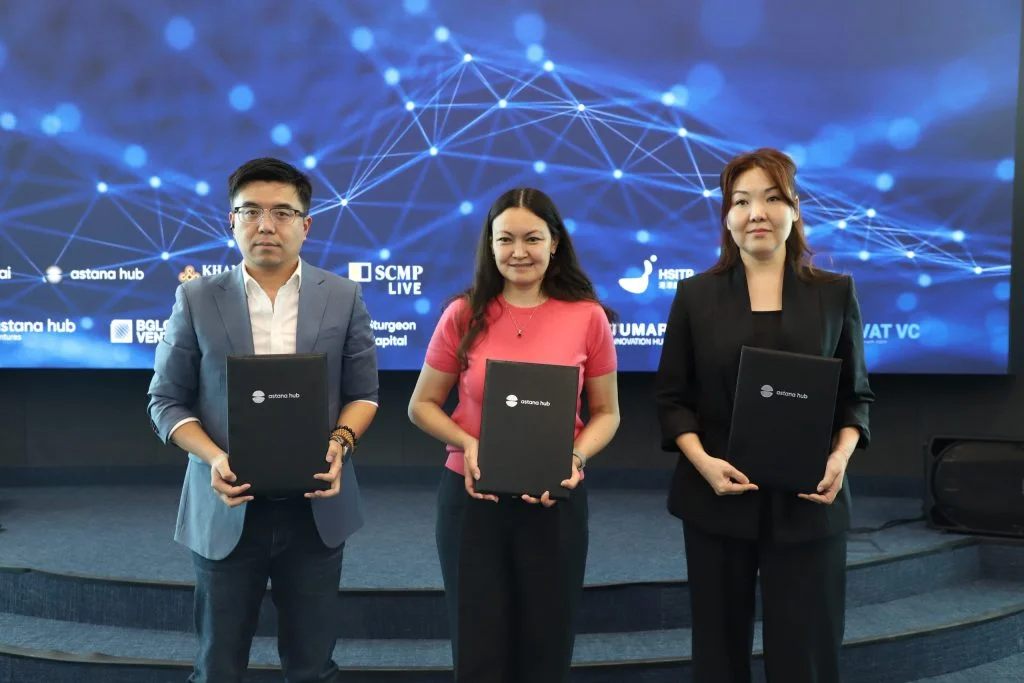
New Partnership in Central Asia
On September 8, 2026, TechNode Group formalized a partnership in Astana, Kazakhstan, by signing a Memorandum of Understanding (MOU) with The Tech and the Khan Tengri Innovation Hub (KTIH). This event, which unfolded during Astana Finance Days and the “China–Central Asia 2026” conference, represents a strategic shift in TechNode's ambitions to deepen its footprint in this pivotal region. The signing highlights a growing recognition of Central Asia's importance as a nexus for technology and innovation, particularly as economic ties between China and Central Asia strengthen.
Key Figures Behind the Partnership
The signing brought together influential industry leaders, including Dr. Gang Lu, founder and CEO of TechNode Group and co-founder of BEYOND Expo, Laura Zhunussova, founder and CEO of WE Media Group, and Maral Shashkenova, founding partner and CFO of KTIH. Their collaboration is not merely symbolic; it aims to enhance the technology and innovation landscape across Central Asia. These figures are recognized not just for their respective roles, but also for their vision of fostering greater collaboration across borders. What’s significant here is the convergence of expertise from diverse backgrounds, indicating a well-rounded approach to regional development.
Objectives and Impact
This partnership is centered on boosting cross-border technology cooperation among Central Asia, China, and Southeast Asia. By drawing on each organization’s strengths—media capabilities, regional industry networks, and cross-border innovation resources—TechNode, The Tech, and KTIH plan to create a platform for Chinese tech companies to enter local markets. At the same time, they intend to support local entrepreneurs and innovative ventures in connecting with broader Asian markets. This is more significant than it looks; as collaboration in tech often translates into increased investment, knowledge exchange, and potentially groundbreaking innovations that could benefit the entire region.
The Role of The Tech and KTIH
The Tech focuses on Central Asia's technology and venture capital ecosystem. It provides essential insights into investments, startups, and entrepreneurship, and plays a vital role in supporting the partnership's goals. The insights it offers can guide strategies that align with regional needs and challenges. KTIH, based in Shanghai, acts as a crucible for innovation, linking China with Central Eurasia, including countries like Kazakhstan, Uzbekistan, and Azerbaijan. It aims to bridge regional innovation resources with China's tech sector through various support mechanisms like technology transfer and business incubation. (And this is the part most people overlook: the interconnectivity these hubs create can foster an environment ripe for entrepreneurial ventures.)
TechNode's Global Expansion
TechNode's recent ventures, including the establishment of TNGlobal in Southeast Asia and the acquisition of Hong Kong's Jumpstart, showcase its commitment to expanding its global media presence. It’s not just about presence; it's about influence and the ability to shape narratives in technology. By aligning with The Tech and KTIH, TechNode aims to catalyze investment discussions and market cooperation. Their collective effort seeks to create pathways for technology firms to thrive in international markets. What this means for you, if you're working in this space, is that these connections could open doors for startups and established companies alike, potentially leading to enhanced access to resources and opportunities.
Future Outlook and Implications
The future implications of this partnership could be profound. As Central Asia continues to emerge as a technology hub, the success of this collaboration might signal a shift in how tech ecosystems develop globally. If these organizations can effectively foster the flow of ideas and investments across borders, we could see a ripple effect that encourages more companies to explore Central Asia not just as a market, but as a partner in innovation. The regional tech environment may transform, offering new opportunities for startups and established tech firms. With effective execution of this partnership, Central Asia could establish itself as a pivotal region for tech advancement, impacting broader geopolitical and economic strategies involving China, Southeast Asia, and beyond.
Discussion
Sign in to join the discussion.