Li Auto's i9 will debut its next-gen EV platform, showcasing advanced technology and design with an impressive aerodynamic profile.
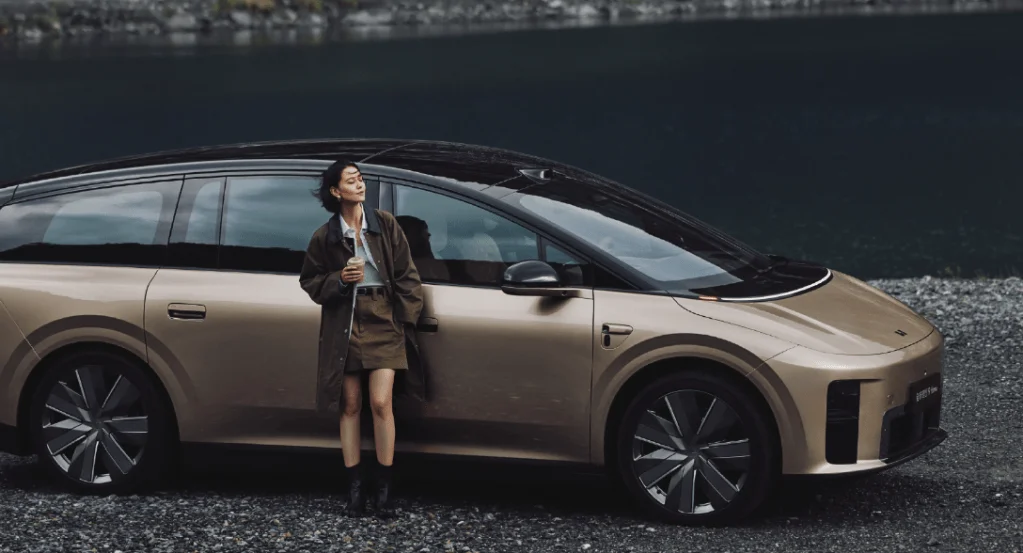
Introduction of the Li Auto i9
Li Auto has garnered significant attention in recent years, driven by its focus on electric vehicles (EVs) and innovations in hybrid technology. With the impending reveal of its flagship model, the i9, scheduled for September 16 at 7:30 p.m. Beijing time, the company aims to capture the spotlight yet again. CEO Li Xiang announced that this vehicle will feature the company’s second-generation pure electric vehicle platform, an important step in advancing their commitment to fully electric solutions. As the market becomes increasingly saturated with both new entrants and established automotive brands venturing into electrification, launching a remarkable product is essential for Li Auto's growth strategy.
Technological Innovations
The i9 will be a showcase of Li Auto's technical advancements, integrating their proprietary battery technology, electric motor, M100 chip, and enhanced assisted-driving capabilities. This isn’t just about numbers; it’s about how these components work together to improve performance and user experience. For example, the M100 chip is expected to facilitate faster processing speeds, which can lead to more responsive driving dynamics and smarter driver-assistance features. Users will likely find that these innovations elevate the driving experience, making it not only safer but also more enjoyable. This combination could set a new benchmark within the competitive electric SUV market.
Assisted-driving capabilities are becoming a standard expectation rather than a premium feature for new vehicles. With many consumers looking for technology that can adapt to their lifestyles, features like adaptive cruise control, lane-keeping assistance, and user-friendly interface systems are crucial. By incorporating these elements into the i9, Li Auto signals its commitment to ensuring that technology enhances comfort, safety, and overall driving satisfaction. This raises a key question for consumers: how will the i9's technological features compare with those of other top brands offering similar functionalities?
Aerodynamics and Specifications
One of the standout features of the Li Auto i9 is its aerodynamics, with a drag coefficient of just 0.215, positioning it as the most aerodynamic mass-produced SUV on the market. This is significant—not just for aesthetic reasons, but because a lower drag coefficient directly correlates with enhanced efficiency and performance. Aerodynamics play a critical role in extending range, particularly for electric vehicles, where battery capacity constantly seeks to provide the most mileage on a single charge.
When examining the i9’s dimensions, it measures in at 5,225 mm in length with a wheelbase of 3,168 mm. This spacious design indicates Li Auto's intent to cater to families and individuals who prioritize comfort. Families especially seek vehicles that offer both utility and versatility, whether that's ample cargo space for weekend trips or safety features for their loved ones. If you’re working in this space, you understand that market segments are continuously evolving, and consumer demands often dictate the direction of design.
The inclusion of the i9 in China’s July vehicle approval list adds a layer of credibility to its anticipated launch. In a market as competitive as China's, regulatory approval is a significant hurdle that testifies to a vehicle's readiness for mass production. This approval is not merely a formality; it underscores the rigorous standards manufacturers must meet in order to satisfy regulators and consumers alike.
Market Context and Competitive Analysis
Li Auto is navigating a challenging landscape, punctuated by fierce competition from both traditional automakers pivoting toward electric models and emerging startup brands. For instance, companies like NIO and Xpeng have also been establishing their presence with electric SUVs and sedans that compete directly with Li Auto’s offerings. In addition, established players like Tesla continue to set the bar high with rapid technological advances and a dominant presence in the EV market.
What’s notable is how these brands have different strategies that affect how they capture market share. While Tesla scales aggressively with its pricing strategy, Li Auto appears to focus more on niche family-oriented markets, integrating features that cater to the needs of everyday users rather than solely appealing to technology enthusiasts. This family-focused design philosophy might resonate well in urban markets where practicality is key.
As the market evolves, trends highlight an increasing consumer appetite for EVs that don't just provide eco-friendliness but are also equipped with cutting-edge technology and luxury features. The rapid growth of charging infrastructure in China has contributed to this transition, and it will be interesting to see how it plays into consumer acceptance of the i9.
Implications and Future Outlook
The implications of the i9's launch reach beyond mere specifications and sales figures. Li Auto's strategic shift towards a second-generation EV platform raises questions about the scalability of its technology in future models. The lessons learned from the i9 will likely inform the design and engineering of upcoming vehicles. As other manufacturers begin to adopt similar platforms, there’s a shared reality in the industry—those who innovate quickly will be best placed to thrive.
Long-term, the success of the i9 could set the tone for Li Auto's competitiveness in an era where EV market dynamics are changing—driven by advancements in battery technologies and consumer expectations. There’s a delicate balance between differentiation and convergence as automakers race toward electrification. The i9's actual performance in the market might determine if Li Auto can carve out a lasting niche or if it’ll become just another name in the crowded EV marketplace. What this means for you, the consumer or industry onlooker, is that the choices available are only going to grow more complex as brands jockey for position.
(And this is the part most people overlook) The future of automotive technology hinges not solely on individual advancements but also on industry trends that shape consumer behaviors. As demand for electric vehicles continues to swell, the i9 symbolizes a pivotal step in what is expected to be a broader transformation in the entire automotive sector.
Discussion
Sign in to join the discussion.