The N1 AI glasses from Alibaba's Qwen promise advanced iris recognition capabilities and eye tracking, but details on pricing and launch remain vague.
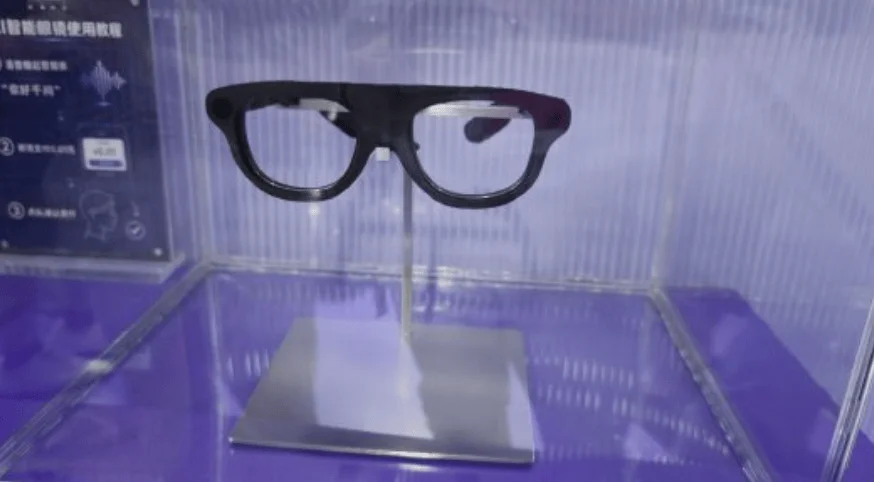
Overview of the N1 AI Glasses
At the 2026 Bund Summit in Shanghai, Alibaba's Qwen showcased its latest AI glasses, known as the N1 model. This unveiling emphasizes their focus on enhancing personal identification technology. In a time when wearable technology is on the rise, particularly with applications in smart eyewear, Alibaba positions the N1 model within a highly competitive market that includes both tech giants and niche players. The relevance of biometric technology is increasing, particularly in sectors such as security, finance, and user authentication. The N1's introduction might be a keystone in redefining how personal identification is approached.
Iris Recognition Features
The N1 glasses are anticipated to feature iris recognition capabilities, boasting an impressive false recognition rate of under one in a million. This could streamline user interactions by enabling identity verification through eye tracking at payment terminals. Iris recognition is known for its accuracy and security, often considered more reliable than fingerprinting or facial recognition. However, this technology isn't without its challenges. Privacy concerns surround data collection, especially as consumers become more aware of surveillance technologies. If you're working in this space, consider how irrefutably precise these technologies are but also how they require the utmost ethical consideration. In addition to its use in payment systems, iris recognition could have implications for various sectors, including personalized healthcare and access control systems, extending its utility far beyond just financial transactions. The potential applications for such accuracy may create new frameworks for security integration, although acceptance in many societies could be slow due to skepticism around privacy appraisals. As advancements trickle down, they could reshape everyday interactions but will likely face hurdles in public perception.
Design and Pricing Outlook
Unlike its predecessor, the S1, the N1 model reportedly lacks a display component, potentially reducing production costs. While this might simplify the user experience by focusing solely on identification technology, it raises questions about functionality. With smart glasses often designed to serve multiple purposes, eliminating a display could limit the N1’s versatility. Some users may prefer a device that merges visual information with biometric capabilities. The challenge for Qwen will be convincing consumers that a single-function device can stand out in a crowded market dominated by multifunctional gadgets. Qwen has yet to release details regarding the glasses' specifications, pricing, or expected launch date, which leaves potential buyers and analysts trying to fill the void with speculation. The absence of these details can be misleading; consumers may expect premium pricing, given the sophisticated technology involved. On the flip side, if the N1 is more affordable, it could easily attract middle-tier markets, a segment traditionally underserved in high-tech wearable options. That said, it's essential for Qwen to balance innovation with affordability—overcommitting on features without considering the cost will likely alienate some potential customers.
Competitive Context
The N1 model enters a field fraught with both legacy and emergent competitors. Companies like Google and Apple have laid significant groundwork in smart eyewear, though they’ve often prioritized augmented reality features. It's fair to wonder whether a sole focus on iris recognition will set the N1 apart or leave it vulnerable. Other contenders like Facebook's Meta have also ventured deeply into immersive environments with their own eyewear formats. What this means for you, the consumer, is that you’ll have more options but less clarity in terms of which technology delivers reliable performance without compromising privacy. Each player in this arena carries a unique perspective on user needs, often shaped by prior feedback from their existing ecosystems. The N1 could either crash the party or become another footnote in the hurried race to dominate smart glasses.
Implications and Future Outlook
The introduction of the N1 glasses is more significant than it looks, especially regarding the ongoing conversation about biometric identity verification. The push towards using iris recognition could pave the way for broader adoption of biometric technologies across various industries. Companies may seek partnerships that can leverage the patterns and data generated from iris scans, leading to more personalized user experiences. However, as enticing as this prospect may be, it carries implications. The dialogue around user consent and data protection will intensify; public sentiment could heavily sway based on how well Qwen handles privacy issues. Potential users will likely demand transparency—demanding clarity in how their biometric data is collected, stored, and possibly sold. In a crowded technological ecosystem, Alibaba’s Qwen has the chance to make a statement with the N1 glasses. Success in a market that’s hesitant about privacy will require more than just technical advancement; it will demand a trust-building campaign that aligns with growing public awareness regarding surveillance. The path forward will be rocky, filled with both opportunities and pitfalls.
Discussion
Sign in to join the discussion.