Amid new laptop launches, Google's Googlebook platform struggles to establish its market relevance against stiff competition.
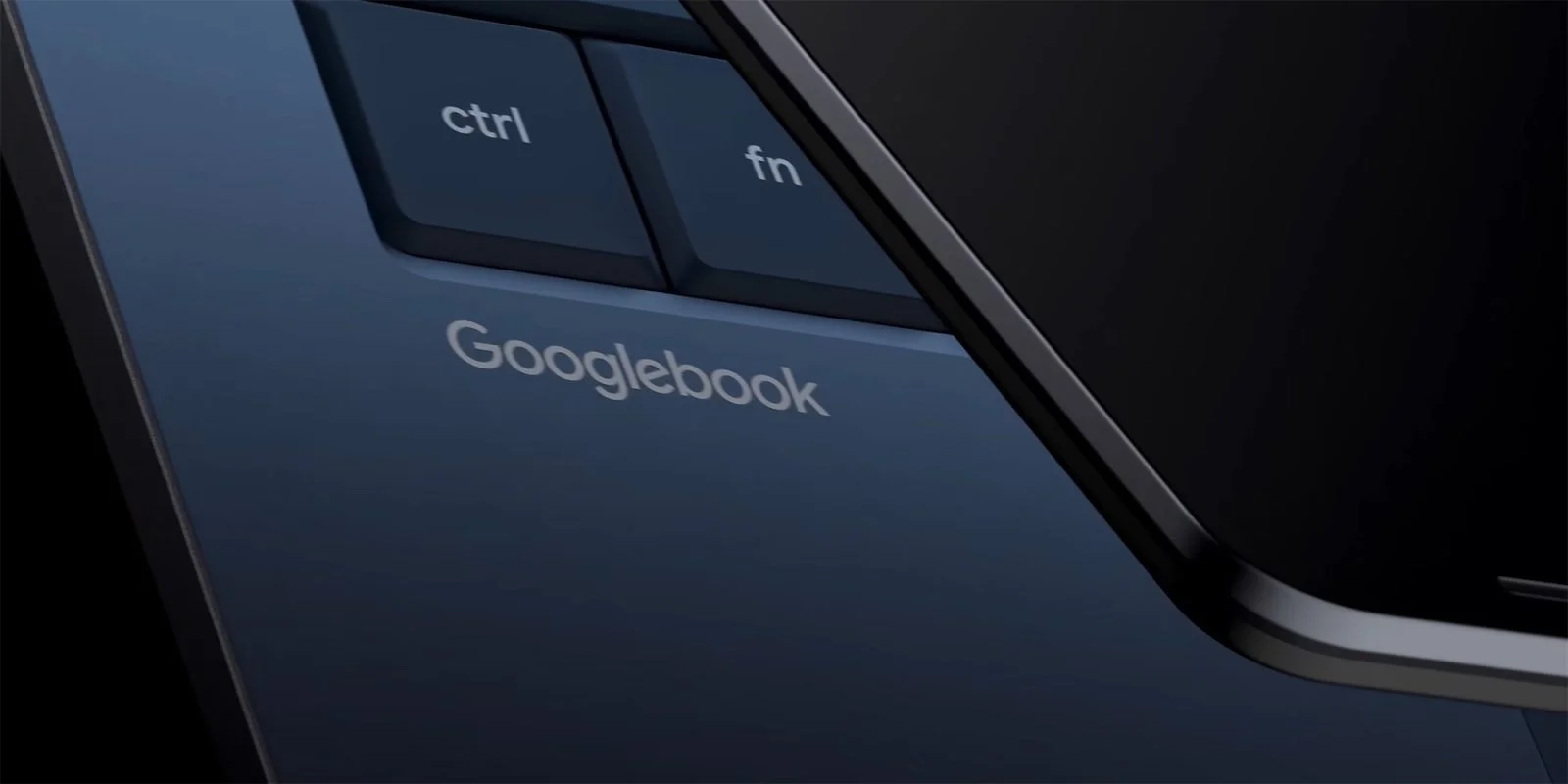
The upcoming launch of Googlebook, Google's latest desktop platform based on Android, finds itself overshadowed amid an influx of new laptops showcased at IFA. This situation raises questions about why Googlebook should capture the attention of consumers and professionals alike.
Initially introduced earlier this year, Googlebook aims to replace ChromeOS but has left many skeptics uncertain about its utility. Given the few details shared about its capabilities, it’s hard not to draw parallels between the skepticism surrounding Googlebook and the reactions to other underwhelming Google products in the past, such as Stadia.
As the launch draws near, little has changed in terms of clarity about Googlebook’s market positioning. Early leaks have emerged regarding laptops from manufacturers like Asus and Lenovo, while Acer teased their own device at the IFA event in Berlin. However, the standout features—like the “Magic Pointer” application and AI-driven components such as the “Desktop Camera” and “Look Up”—don’t do much to clarify the platform's distinct benefits.
Googlebook’s approach appears to focus on premium hardware, moving away from the cost-effective market strategy that made ChromeOS appealing. This shift raises concerns: with competitors like Lenovo's IdeaPad Vibe and Dell’s new 14S targeting budget-conscious users, Googlebook’s premium positioning could alienate potential buyers looking for affordability and practicality.
The challenge extends beyond just hardware and price points. Recent discussions in the industry suggest an inclination towards more affordable Windows laptops as the market becomes increasingly competitive following the release of the MacBook Neo. With this evolution, it's hard to see where Googlebook fits into the preferences of consumers, especially those who may not desire tech that seems unnecessary or excessive.
There’s also a range of opinions on what Googlebook could offer, as seen in suggestions like focusing on AI-enhanced coding tools. Still, the core message surrounding Googlebook's value proposition remains blurry. The perception of a premium product in a sea of economic alternatives can be daunting, given the mounting trend for affordable yet efficient technology.
In a landscape where everyone seems to be doing more to deliver compelling budget models, Google's decision to veer upward in pricing without a clear stylistic or functional identity makes one wonder about its long-term strategy. Could this be a misstep as the competition stiffens?
This uncertainty perfectly encapsulates the tension surrounding the Googlebook launch. As IFA continues to introduce exciting alternatives, it'll be interesting to see if Google manages to clarify its vision for this platform in the coming weeks. The industry might just be holding its breath for an answer on whether there’s a genuine role for Googlebook in an increasingly crowded field.
Key Highlights from IFA
Anecdotes from IFA 2026 reveal a flurry of product announcements that are swaying the tech landscape:
- Govee showcases smart ceiling lights and LED strips integrated with AI capabilities.
- Philips Hue introduces an HDMI-free sync camera box along with new app enhancements.
- Belkin's new ‘BoostSolid’ batteries promise three times the lifespan of existing power banks.
- Xiaomi's 18 Fold is revealed, marking a move towards designs similar to the Galaxy Z Fold 8.
- Lenovo's latest Android tablets promise seven years of updates, alongside flagship specifications.
With all this excitement, the effectiveness of Google's pitch for Googlebook is all the more delicate. Products from competing brands could overshadow Google if a distinct message doesn't emerge soon.
Additional Industry News
- Google Wallet expands by adding a new digital ID from Ohio.
- Android Auto gets a new redesign in version 17.6.
- Google Pixel introduces battery usage summaries for the latest devices.
- A Google Home update restores support for older Chromecast devices.
As we navigate this shifting tech environment, the onus is on Google to refine its narrative and ensure that Googlebook finds its place among a myriad of compelling alternatives.
Discussion
Sign in to join the discussion.