Alibaba Cloud's innovative modular design cuts data center delivery time to 100 days, streamlining infrastructure to support the booming AI market.
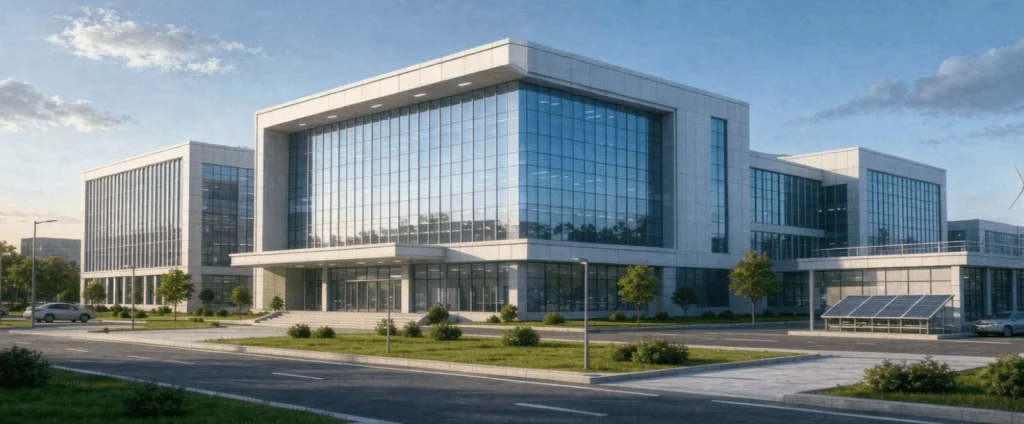
AI Demand Drives Infrastructure Innovation
The landscape of artificial intelligence infrastructure is evolving quickly. Organizations are no longer just focused on acquiring powerful models and GPUs. Now, the spotlight is on optimizing data center construction itself. With AI applications proliferating across industries—from healthcare to finance—the need for faster and more efficient data center development isn't just advantageous; it's vital.
This shift signifies a deeper recognition that hardware capabilities must match the relentless pace of innovation in AI. Without effective infrastructure, organizations may find themselves grappling with underutilized technology. That disconnect can stifle potential advancements in AI, impacting everything from research breakthroughs to product development timelines.
Alibaba Cloud's Modular Approach
On Monday, Alibaba Cloud announced a remarkable reduction in the delivery timeline for AI data center facilities, now down to just 100 days. This isn't just a race to the finish line; it represents a rethinking of data center design achieved through a modular architecture. Traditional methods have long been bogged down by lengthy processes and complicated logistics. This new approach disrupts that trend.
Historically, constructing a large data center was akin to building a house, requiring sequential completion of civil engineering, electrical sources, and cooling solutions. Each stage relied heavily on local resources and varied construction timelines. In contrast, Alibaba Cloud's modular strategy treats data centers like building blocks. Key components—like cooling systems and power sources—can be pre-manufactured, pre-assembled, and transported for simultaneous installation. This technique drastically reduces on-site construction time, converting months of work into a streamlined effort that's manageable within weeks. It's about efficiency, plain and simple.
Notably, this accelerated approach hasn’t inflated costs. In fact, Alibaba claims a more than 10% decrease in construction expenses compared to previous builds. That’s significant. Cost-effective solutions are often overlooked in favor of speed, yet both elements are crucial for businesses looking to implement AI smoothly.
Meeting the Rising AI Stakes
The swift deployment of data centers is becoming increasingly vital as demand for AI processing power surges. As enterprises rapidly scale and require more computational resources, the stakes rise. If infrastructure construction fails to keep pace with the speed at which GPUs and servers are deployed, organizations risk having idle chips sitting in storage, which is an inefficient use of resources during peak demand periods.
This need for speed isn’t just a technical challenge; it’s a business imperative. Companies with the capacity to launch their AI infrastructures faster will benefit from a first-mover advantage in their sectors. For Alibaba Cloud, achieving a 100-day construction period could serve as a pivotal differentiator in a crowded market. If you're working in this space, the implications are clear: staying ahead not only empowers operational efficiency but also enhances customer retention and satisfaction.
Future Capacity Expansion Plans
Alibaba isn’t just content with a faster construction rate; the company also aims to more than double its global production capacity for modular data centers by 2026. This ambition serves a dual purpose—meeting immediate demand and anticipating future growth. It underscores a transformation where AI data centers evolve from custom engineering projects to standardized infrastructure products, enabling rapid scaling to match the escalating needs of various sectors.
In the past, the variability of local construction dynamics and supply chains often restricted the rapid replication of data center projects. That unpredictability added layers of complexity and delays. However, with a modular method, Alibaba's standardized processes offer the potential for quicker expansions across diverse markets. That's a smart strategy; aligning supply with rapidly growing demand for AI capabilities strengthens Alibaba’s market position significantly.
Infrastructure Speed as a New Competitive Factor
The AI competitive landscape is increasingly focused on infrastructure speed. While earlier attention was directed towards acquiring the most powerful AI models and GPU inventories, trends now highlight a critical emphasis on how swiftly organizations can harness those models and chips in real-world applications. The ability to transform resources into actionable insights within tight timeframes could set one company apart from another.
Alibaba Cloud’s decision to cut delivery times for AI data centers reflects a tactical shift in the industry. As AI continues to scale, the plumbing that supports it—essentially how swiftly cloud providers can construct and launch data centers—may determine their market position. Think about it: without the physical infrastructure in place, the most advanced AI models are just theoretical exercises.
What stands out here is the shift from one-off data center builds to a scalable manufacturing-like approach. This could redefine not just how computing resources are mobilized in response to soaring AI demand but also influence the broader corporate strategies of companies leveraging cloud services. (And this is the part most people overlook.) As organizations grapple with the exploding potential of AI, the infrastructure they depend on will inevitably dictate the winners and losers in the space.
Future Implications and Significance
The implications of this shift in infrastructure strategy extend beyond Alibaba Cloud alone. Other cloud providers will likely have to rethink their own data center construction methodologies, perhaps feeling pressure to accelerate their timelines in order not to fall behind. This competition could lead to a race that prioritizes not just speed but also cost-effectiveness and reliability in data center operations. For stakeholders in the tech and AI ecosystems, staying updated on these developments is essential for informed decision-making.
In summary, the changing dynamics of AI infrastructure, underscored by Alibaba's approach, hint at a broader realignment in how tech companies view their operational capabilities. Speed will be a metric of success going forward, blending technical advancements with strategic implementation. Predicting where this will lead is challenging, but what’s clear is that the infrastructure isn’t just a backdrop for AI; it’s a central component in the strategy and future of technology.
Discussion
Sign in to join the discussion.