China now boasts more than 70 operational embodied-AI training grounds, boosting data collection and robotic testing throughout numerous regions.
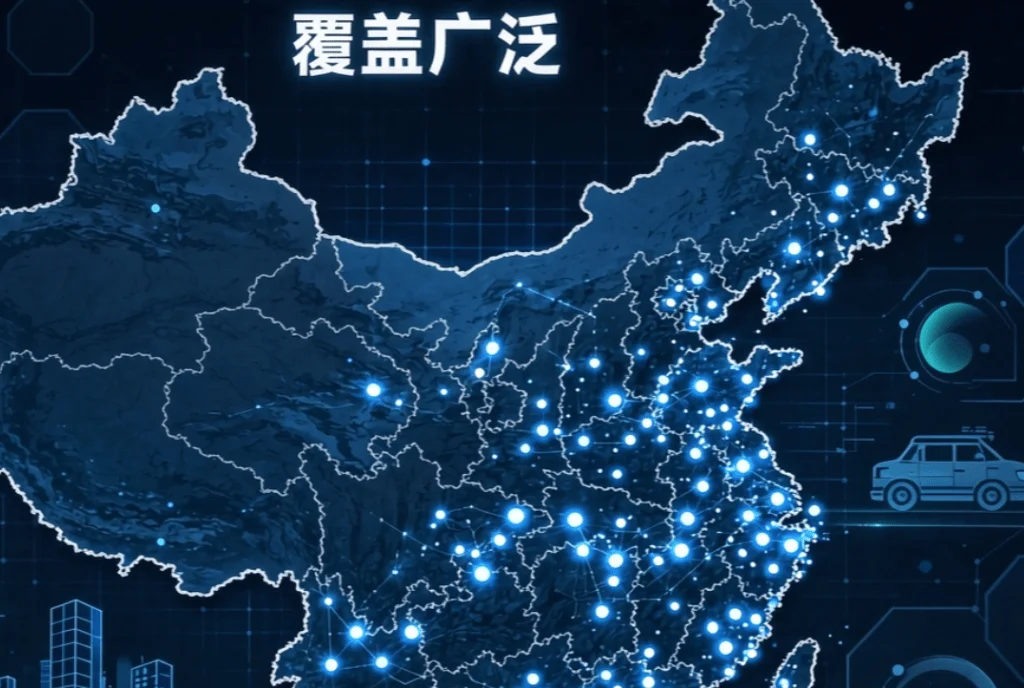
Overview of Embodied-AI Facilities
As of June 2023, China has established over 70 operational embodied-AI training grounds, as outlined in a report by the China Academy of Information and Communications Technology. An additional 46 facilities are currently being constructed or are in the planning stages, indicating a proactive approach to AI development across various provinces. This strategic investment reflects the Chinese government's commitment to solidifying its position as a leader in the field of artificial intelligence. By establishing these facilities in numerous provinces, China is not leaving the development of AI to chance but is actively fostering an ecosystem that supports innovation.
The concept of embodied AI involves physical robots or systems that interact with their environment, learning and adapting through direct experience. This blend of robotics, machine learning, and AI has numerous applications, from autonomous vehicles to smart manufacturing systems. The investment in training grounds signals a recognition of the need for real-world environments where AI can learn in contexts that simulate everyday situations. It's about creating an infrastructure that allows for trial and error in ways that purely virtual settings cannot replicate.
Key Applications and Geographic Distribution
These training grounds serve as essential environments for gathering real-world data, training AI models, and testing robotic systems. A significant majority, about 86%, focus on industrial manufacturing, underlining the sector's reliance on advanced technologies. The primary clusters of these facilities are found in the Yangtze River Delta, Beijing-Tianjin-Hebei, and the Pearl River Delta, highlighting key areas of technological advancement in the country. This geographic distribution isn't random; it reflects China's economic priorities and regional strengths.
Industrial manufacturing is the backbone of China's economy, representing a sector ripe for automation and technological enhancement. By concentrating embodied-AI facilities in these key regions, China is essentially buoying its manufacturing sector with AI-driven tools that encourage efficiency, reduce labor costs, and improve output quality. For instance, factories equipped with advanced robotics can analyze production line data in real-time, allowing for quicker adjustments and a higher throughput. In a landscape where speed and adaptability are prized, these training grounds offer a significant competitive edge.
Beyond just manufacturing, the implications of this development run deeper. The ability of AIs to learn and adapt means they can be used in diverse fields such as healthcare, logistics, and service industries. Imagine a robotic system working in a hospital, managing patient data while adapting to real-time demands or robots in logistics optimizing delivery routes based on live traffic data. The possibilities are extensive and are extended by the foundational work happening in these training grounds.
Challenges and Considerations
However, this push for embodied AI isn’t without its challenges. The integration of AI into existing systems—especially in traditional industries—is often met with resistance. Many workers are concerned about job displacement, and there's a need for a clear strategy to manage this transition. Training programs for human workers will become critical to mitigate fears and help them adapt. If you're working in this space, preparing for potential pushback from labor forces is as vital as the technology itself.
Another challenge lies in the data. While these training facilities are designed to gather significant amounts of information, the quality of that data ultimately dictates how effective the AI systems become. This isn’t just about quantity but about the diversity and accuracy of real-world data fed into AI models. If these systems are trained on biased or limited datasets, the consequences could be dire, leading to failures in real-world applications.
Implications for Global Competitiveness
The rapid establishment of embodied-AI facilities in China should serve as a wake-up call for other nations. China’s proactive approach indicates a long-term vision that may yield substantial returns. Other countries need to consider how they will respond and cultivate their AI and robotics sectors to compete effectively. Will they adopt similar strategies, or will they lag behind?
In many ways, the fate of industries in various countries is tied to how well they can implement AI technologies. Countries that fail to adapt risk losing their competitive edge in manufacturing, technology, and even the service sectors. The global landscape of AI development is shifting, with China staking a significant claim. And that’s something businesses and policymakers should take very seriously.
Future Outlook and Significance
Looking ahead, the evolution of embodied AI technologies isn't wearing a static face. Its future will likely be characterized by continued innovations and increasing sophistication. As these training grounds mature, the data and technologies they generate will change the nature of industries globally. The applications are bound to expand as AI transitions from simple automation to complex systems capable of nuanced decision-making.
This shift could have far-reaching consequences, influencing everything from global trade patterns to employment dynamics. Companies and governments alike must prepare for a landscape where AI isn't just a tool but a transformative force. As we engage with this changing environment, continuous investment in training and regulatory frameworks will be vital to ensure that the benefits of embodied AI are distributed equitably, rather than solely concentrated in the hands of a few.
What this means for you—and everyone plugged into this technological movement—is that staying informed and adaptable will be key. Agencies and organizations that recognize the significance of these trends now will position themselves favorably for what comes next.
Discussion
Sign in to join the discussion.