Alibaba's upcoming second-generation T-Head chip aims to enhance computing power for large-model training, with production set for late 2023.
Anticipation Builds for T-Head Chip
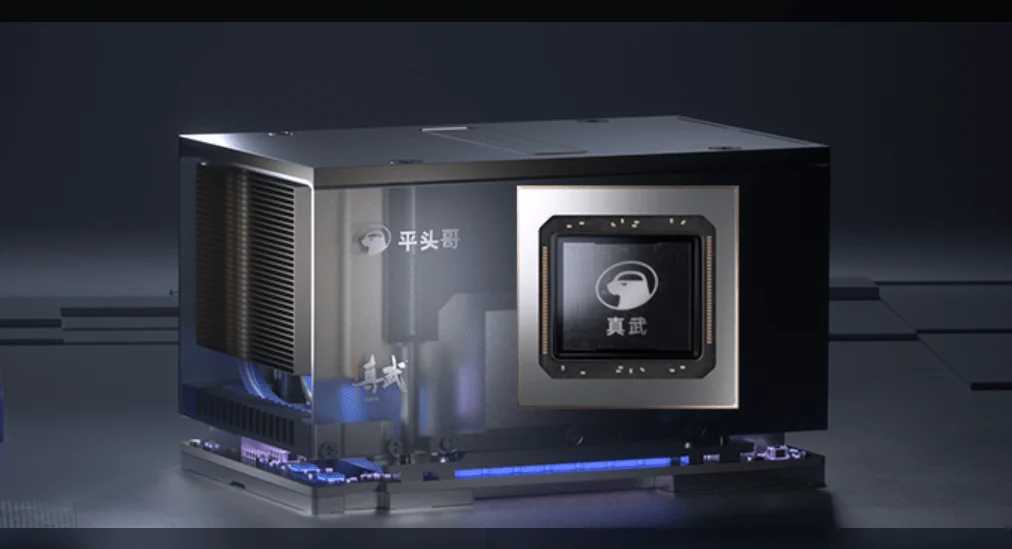
Alibaba CEO Eddie Wu announced on August 20 that the company's second-generation T-Head chip is on track for tape-out and production in the latter half of this year. This chip is designed to deliver improved computing performance alongside increased interconnect bandwidth, making it well-suited for demanding large-model training tasks.
The announcement has stirred interest not just within Alibaba's dedicated customer base but across the broader tech sector. The T-Head series aims to tackle some of the most pressing challenges in artificial intelligence and high-performance computing. It's important to realize that many companies are racing to develop proprietary chips tailored for AI applications. As cloud providers increasingly shift towards in-house solutions, Alibaba seems to be positioning itself advantageously. In a world where AI workloads are growing exponentially, proprietary chipsets could provide the scalability and efficiency that traditional CPUs struggle to match.
This latest iteration of the T-Head chip is more significant than it looks. By emphasizing interconnect bandwidth—essential for complex operations involving multiple data points—Alibaba signals its focus on enhancing the performance of AI training flows. This performance boost isn’t just a number on a spec sheet; it translates into real-world advantages in speed and capability that organizations can leverage for large datasets and intricate models. In these instances, waiting for data to process can mean the difference between staying competitive and falling behind.
Strengthening the Cloud Offering
Alibaba's cloud ecosystem is already seeing momentum, with a supernode based on the Zhenwu M890 chip entering scaled sales. As part of its comprehensive T-Head initiative, the company is rolling out a full stack of chips, including GPUs, CPUs, and networking solutions, significantly enhancing its capabilities.
The T-Head initiative isn’t just about the chips themselves; it represents a concerted strategy to create a fully integrated platform for cloud services. By deploying their architecture across various product lines, Alibaba aims to improve efficiency and performance in how these chips interact, essentially creating a feedback loop that enhances capabilities. This approach will not only streamline operations for existing customers but also attract new clients potentially put off by the complexities of disparate systems. And the strategy seems to be effective—by early August, the Zhenwu product line had attracted over 650 customers, indicating strong market interest.
When you look at it, this strategy mirrors what’s been successful for other top cloud providers. Companies like Amazon Web Services and Microsoft Azure have similarly built ecosystems around proprietary chips to optimize various workloads. What sets Alibaba apart is its aggressive timeline and commitment to pushing out these innovations quickly. With the cloud service market already saturated, speed may give Alibaba the edge it needs to capture a larger share of the pie.
Industry Context and Comparable Initiatives
Alibaba isn't walking this path alone. Companies like NVIDIA and Google have also invested heavily in creating specialized chips for their cloud offerings. NVIDIA's GPUs, for instance, have set a high bar for performance in machine learning contexts. Meanwhile, Google continues to push its Tensor Processing Units (TPUs) designed specifically for machine learning tasks. These ecosystems have thrived by tailoring hardware for specific applications, allowing for optimized performance based on workload demands. In this light, Alibaba's T-Head chips are not just an attempt to keep pace; they're a way to challenge well-established players in this sector by offering competitive alternatives.
What’s essential here is the growing industry-wide consensus on the need for customized hardware solutions that what Valimetiêncio entrepreneurs refer to as “compute acceleration.” The push for specialized chip design aims to maximize performance efficiency and drive down costs. And the stakes have never been higher, as businesses of all sizes embrace cloud computing to keep up with digital transformation. In an industry where profitability often hinges on efficient resource management, such custom solutions are clearly becoming indispensable.
Implications and Future Outlook
So, what does this mean for you if you're working in this space? The rise of Alibaba's T-Head chip—and similar initiatives elsewhere—could lead to a significant shift in the competitive balance of cloud services. As these chips allow for more efficient AI processing, companies that adopt them will likely find themselves with substantial performance improvements in their operational workloads. This spillover effect can create an intense market atmosphere where effectiveness dictates market leadership.
If the T-Head initiative succeeds as anticipated, we could see a broader trend where other cloud providers will feel pressured to innovate or risk losing their market position. Innovating doesn’t simply mean trying to replicate Alibaba’s approach; it might lead to new paradigms in cloud infrastructure entirely. The focus isn’t just on individual performance metrics, but on how well these products integrate into larger systems—an area where Alibaba plans to excel.
In conclusion, Alibaba's efforts with the T-Head chip and accompanying ecosystem signify not just an advancement in technology but a strategic pivot that could reshape the cloud service industry. By investing in the development of proprietary chips, Alibaba aims to carve out a unique niche and position itself as a formidable cloud provider. Time will tell whether these ambitions materialize into a lasting impact, but one thing is clear: the competition just got a lot more interesting.
Discussion
Sign in to join the discussion.