Samsung's Galaxy Tab S12 series will see price increases, with a starting price of $1,199 and higher storage tiers reflecting a $100 hike.
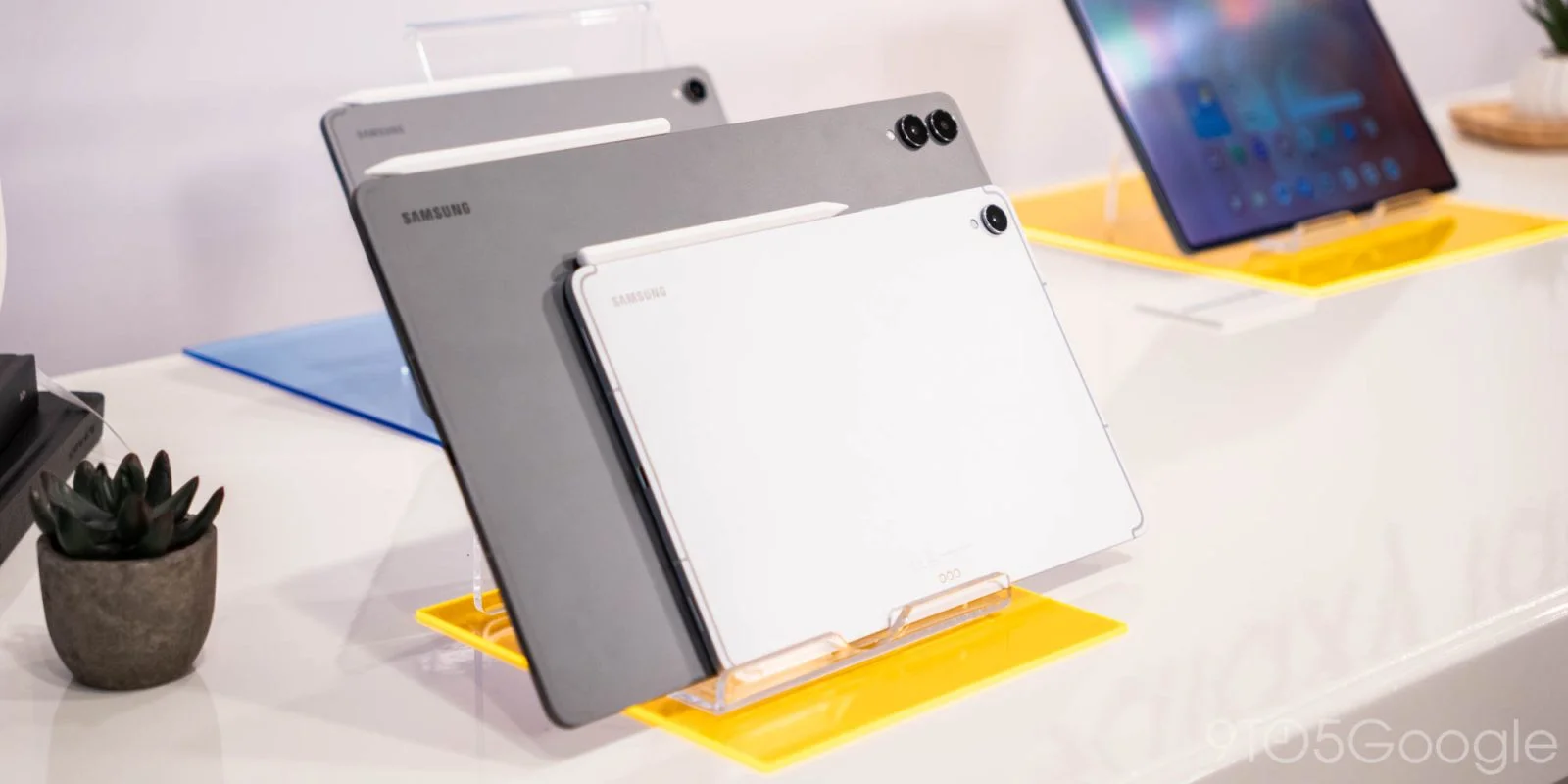
Samsung's Galaxy Tab S12 series is set to emerge at a higher price point, but recent insights suggest it's not as steep as some might anticipate.
Pricing Structure and Implications
Scheduled for a debut soon, the lineup will include the larger Plus and Ultra variants. According to leaked information from renowned tipster Roland Quandt, the entry-level model will start at $1,199, reflecting an expected price increase of around $100 across the board.
What's particularly noteworthy here is how this pricing compares with previous models. With the Galaxy Tab S11 Ultra previously priced at $1,299 and the Galaxy Tab S10+ kicking off at $1,099, these adjustments suggest Samsung is trying to balance premium features with what the market can bear. Coupled with these price points are the various configurations that cater to a range of users, from casual consumers to serious professionals.
- Galaxy Tab S12+ (12/256GB): $1,199.99
- Galaxy Tab S12+ 5G (12/256GB): $1,349.99
- Galaxy Tab S12+ (12/512GB): $1,399.99
- Galaxy Tab S12 Ultra (12/256GB): $1,399.99
- Galaxy Tab S12 Ultra (12/512GB): $1,599.99
- Galaxy Tab S12 Ultra (16/1TB): $1,999.99
This pricing strategy indicates Samsung's effort to solidify its premium brand identity while also responding to competitive pressures from key players like Apple and Microsoft. If you're working in this space, consider how these price points not only affect consumer perception but also how they stack up against the competition's offerings. For instance, Apple's latest iPad Pro models hold similar price points, so the battle here will also hinge on features, ecosystem integration, and user experience.
Contextualizing Price Increases
To provide some context, the Galaxy Tab S11 Ultra previously had a starting price of $1,299 in the US, while the Galaxy Tab S10+ began at $1,099. The latest price shifts show roughly $100 hikes across different configurations, including for higher storage options. This upward trend isn’t unique to Samsung either; many tech companies have been implementing similar price increases likely due to rising component costs and inflationary pressures. What does this mean for the average consumer? For many, it translates into a more substantial financial commitment, especially for a device that may not yet offer compelling reasons to upgrade from older models, unless the performance is significantly improved.
If we zoom out, this pricing trend might reflect a broader strategy among tech giants to position premium devices as not just gadgets, but essential productivity tools. The conversation around value-for-money will only intensify as consumers scrutinize their purchases more deeply, especially during uncertain economic times.
Launch Speculation
A specific launch date remains unconfirmed, but there's speculation that the Galaxy Tab S12 series will coincide with the arrival of the Galaxy S26 FE, slated for an event next week according to Samsung's announcements. Timing releases in this manner isn't accidental; it’s about creating buzz and ensuring that one product amplifies interest in another.
Samsung has a history of orchestrating its product launches in a manner that's more than a little strategic. By linking the release of the Galaxy Tab S12 series with the Galaxy S26 FE, they can capture more media attention and consumer interest, effectively leveraging cross-marketing between device categories. Here’s the thing: consumers may find that their choice of tablet will also depend heavily on the features presented within Samsung's new phone line.
Consumer Reception and Future Outlook
Looking forward, the general market reception will be pivotal. Price increases tend to trigger differing reactions depending on perceived value; if the Galaxy Tab S12 series offers features that align with consumer needs, those price points might seem justified. Yet, if consumers feel the upgrades are superficial or not worth the added cost, backlash could ensue.
Similar systems typically spark debate within tech communities. Many consumers will be inquisitive about whether these features truly enhance their experience or if they’re merely incremental improvements. Given that Android tablets are often seen as secondary to their iOS counterparts, Samsung faces an uphill battle in justifying these price hikes.
This all brings us back to a pivotal question: Are these devices capable of breaking the perception barrier that Android tablets have struggled with? Can the S12 series redefine the category in the way Samsung hopes? (And this is the part most people overlook.) Marketing a premium tablet is one thing, ensuring it lives up to that premium branding is entirely another.
Discussion
Sign in to join the discussion.