Google unveils factory images for the Pixel 11 series, showcasing Android 17 builds with the latest security patches for all users.
Factory Images Released for Pixel 11 Series
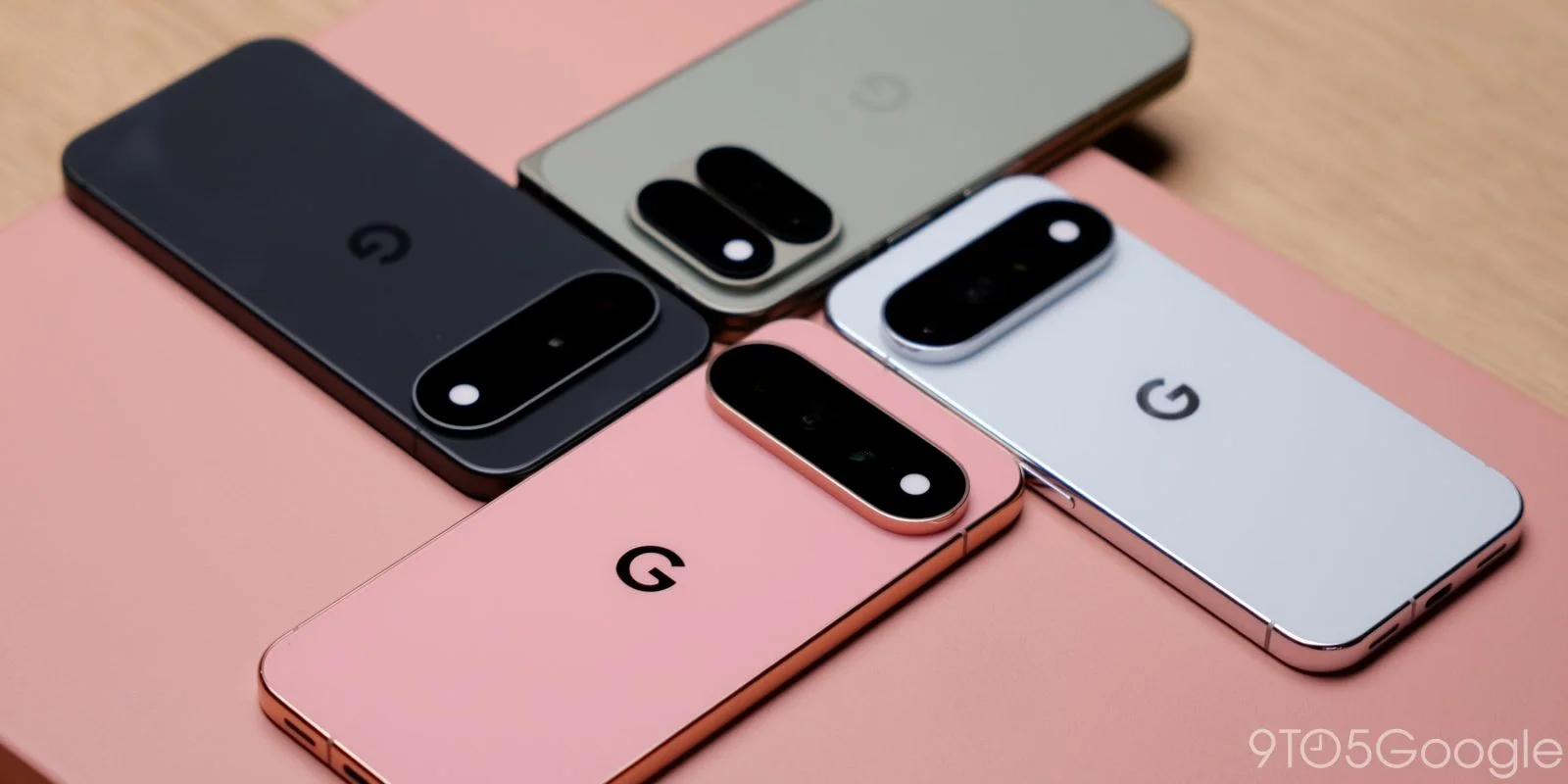
With the Pixel 11 series now available, Google has made factory images accessible for all devices. This is not just a standard operating procedure; it significantly empowers users who may encounter software glitches or who want to revert to original firmware settings. The ease of access to these factory images plays a crucial role in device maintenance, especially for tech enthusiasts and developers.
The Importance of Factory Images
Factory images allow users to restore their devices to a pre-set condition, essentially wiping any lingering software issues. In the tech industry, having this ability is vital, especially in a landscape where software bugs can potentially disrupt daily use. The release of these images provides peace of mind, ensuring that users have a fallback option should they need to troubleshoot their devices. The Pixel brand has built a reputation for its clean Android experience, so facilitating easy restoration helps maintain user satisfaction.
Android 17 Builds Available
Each Pixel 11 model has three associated builds:
- CD1A.260618.001.A7
- CD1A.260618.001.C2
- CD1A.260714.001.A9
These builds operate on Android 17—not the much-anticipated QPR1 version—and include the August 2026 security update. However, specific carrier or regional details on these builds remain unconfirmed, leaving many users guessing which version they will receive. For instance, build A9 is currently designated for users in the U.S. on Google Fi. This raises questions about Google's update distribution strategy, especially as it relates to ensuring compatibility across different markets.
The Role of Security Updates
The inclusion of the August 2026 security update is significant. Security updates are essential for protecting devices from vulnerabilities that can be exploited by malicious actors. Updating to the latest security patch is often the first line of defense for users. As smartphones continue to integrate into personal and professional aspects of life, neglecting timely updates can lead to dire consequences. What this means for you, if you're part of the Pixel user community, is that maintaining a secure and functional device is more feasible now with these latest builds.
Sideloading and Factory Restore Options
These factory images can assist in restoring devices that have been affected by software issues. Google emphasizes that sideloading the full OTA image is usually a simpler and safer method. Sideloading is a process that allows users to install an update manually rather than waiting for it to arrive via the standard over-the-air (OTA) update method. Given the technical nuances involved, this option tends to be favored by more experienced users. If you're working in this space, understanding both sideloading and a factory restore can give you the toolkit necessary to troubleshoot effectively. Fortunately, these images are also available now, making them easier to obtain than in previous launches.
Pixel 11 Series Codenames
Today's unveiling solidifies a bear-themed codename for this generation:
- Pixel 11: cubs
- Pixel 11 Pro: grizzly
- Pixel 11 Pro XL: kodiak
- Pixel 11 Pro Fold: yogi
These codenames aren't just whimsical; they reflect Google's playful branding strategy. Codenames have become an interesting aspect of the Android ecosystem, allowing fans to engage with the product on a different level. While they don't impact functionality, they can generate a buzz around product launches. The playful nod to bears might resonate with audiences, and it's a clever marketing approach that fosters community among Pixel users.
Android Beta Program Status
Currently, the Pixel 11 series is not part of the Android 17 QPR1 or QPR2 updates available through the Android Beta Program. This exclusion raises eyebrows, especially since early adopters often expect their devices to be on the cutting edge of software updates. Beta programs are a critical aspect of the Android ecosystem, offering users a chance to test out new features while providing feedback to Google. The absence of the Pixel 11 from the Beta Program suggests either a strategy to ensure stability before rolling out future updates or a shift in focus from earlier models.
Implications and Future Outlook
Looking ahead, the implications of Google's software approach with the Pixel 11 series could set a precedent for future devices. While the tech community has been vocal about wanting timely updates and access to new features, Google's current trajectory may be about prioritizing stability and security over rapid innovation. This mindset could influence how users perceive the Pixel brand moving forward. If the lack of Beta participation continues in upcoming versions, it could alienate some tech enthusiasts who thrive on being in the loop about the latest features; however, focusing on security could resonate better with the average consumer who prioritizes a reliable experience.
Ultimately, this is more significant than it looks. While factory images and security updates may seem routine, they underscore the importance of user agency in managing software experiences. In a smartphone market that often prioritizes new features over reliability, Google's thoughtful approach toward updates may offer users a compelling reason to remain loyal to the Pixel ecosystem.
Discussion
Sign in to join the discussion.