Developer Jeff Johnson highlights persistent App Store ratings fraud, questioning Apple's effectiveness in protecting users from deceptive practices.
Developer Jeff Johnson, creator of the StopTheMadness Safari extension, has raised alarms about rampant ratings fraud on the App Store. He suggests that Apple's oversight mechanisms are failing to identify blatant deception despite the company's assertions of rigorous reviews. This growing concern among developers reflects broader issues within the App Store ecosystem, where user trust is crucial.
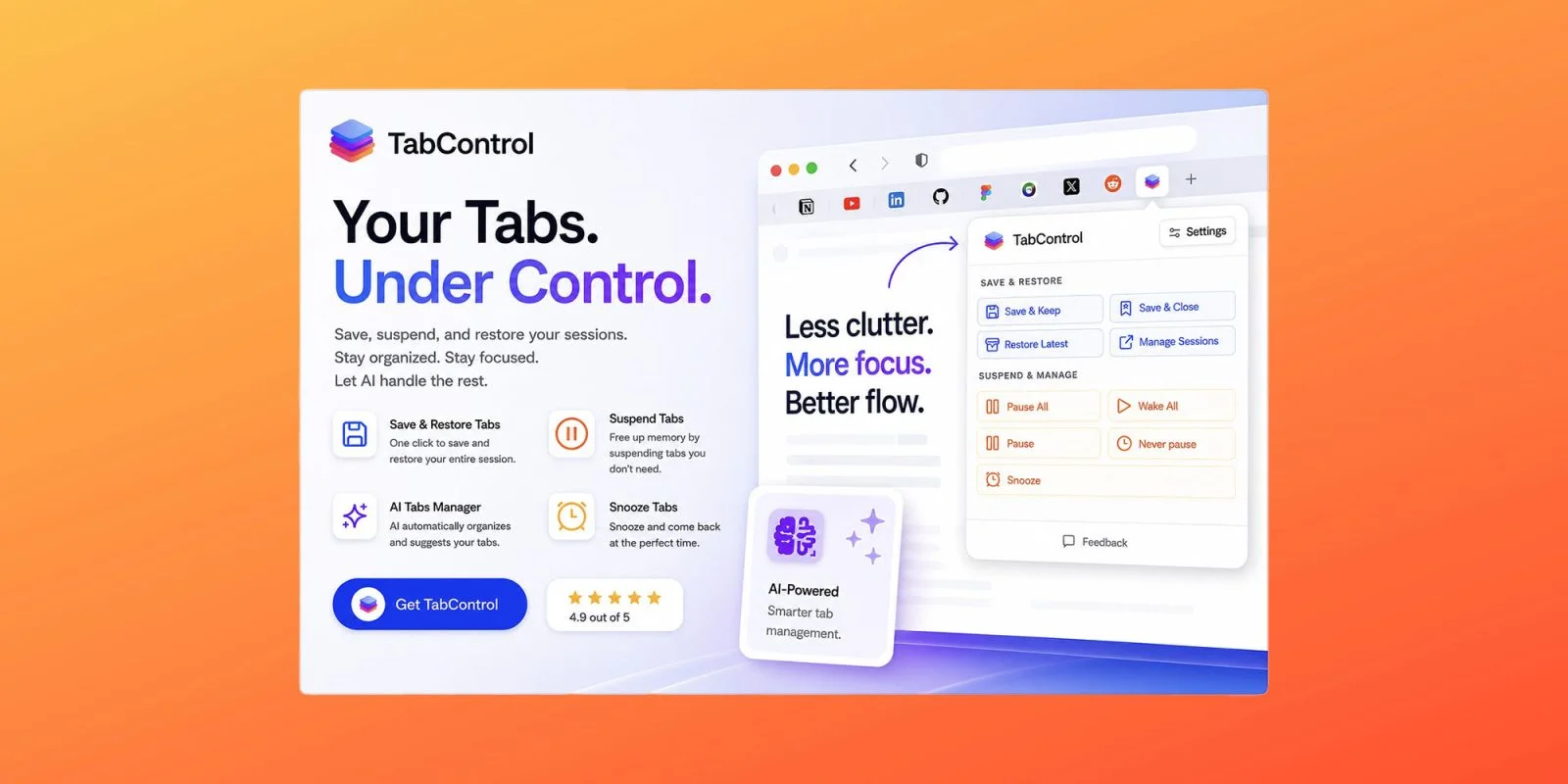
Johnson, who encounters App Store fraud more often than he seeks it out, recounted a recent experience with a particular app listed as the twelfth highest paid Safari extension in the US Mac App Store. Dubbed the TabControl Extension, this application employed misleading, likely AI-generated images to portray itself in a more favorable light, further obscured by inflated user ratings. Such tactics aren't just unethical; they can erode user confidence in the entire platform.
The App Store’s Promised Safety
Apple has staunchly defended its App Store as a secure and trustworthy space for both users and developers. This commitment has been a pivotal argument against antitrust allegations aimed at the company, as it has worked to restrict third-party app stores. Apple claims that its stringent measures have thwarted over $9 billion in fraudulent transactions over the past year alone, a statistic they have frequently touted to underscore their dedication to user safety.
“Since launching in 2008, the App Store has been a safe and trusted place for users and a vibrant marketplace for developers to grow their businesses around the world,” Apple stated, emphasizing its protective role in the digital marketplace.
However, developers have begun to question these assertions. Reports of scams related to loan and wallet applications have culminated in lawsuits against Apple, especially in cases where users have faced significant financial losses due to fraudulent apps. This raises the stakes not just for the users, but also for Apple’s reputation. If users can't trust the App Store, it could lead to a decline in both app downloads and user investment in the ecosystem, which is certainly not in Apple's best interest.
Unpacking Ratings Fraud
Ratings fraud within the App Store ecosystem has long presented challenges, particularly with reports of organizations in China creating massive networks of iPhones to artificially inflate app ratings. This is part of a broader trend seen across various online platforms, where the integrity of user-generated content is compromised. Johnson's observations spotlight a particular app whose misleading practices exemplify broader issues. His analysis points to the use of a fabricated screenshot that falsely claims a user rating of “4.9 out of 5 stars,” suggesting that these tactics are too conspicuous for Apple's review process to overlook.
“The use of App Store screenshots to present false claims is a common tactic. Apple’s review process should have identified the discrepancies in the ratings. The claims made by scam apps are often so outrageous that it’s perplexing how Apple approves them,” Johnson argued, adding that the existing system needs substantial improvement.
This scenario raises serious questions about the efficacy of Apple's review practices. After all, Apple theoretically has access to all rating data across multiple regions and should be able to discern fraudulent patterns effectively. If ratings discrepancies were evident in this particular case, what else might have slipped through the cracks? This isn’t merely a small oversight; it’s indicative of a broken system that relies heavily on automation rather than human scrutiny.
Furthermore, if a developer is resorting to deceptive tactics to sell an app, the level of trust users should have in terms of data privacy becomes severely compromised. If a user can't trust the ratings and reviews on the App Store, how can they trust the app itself? This conflict with Apple’s narrative of being a protector against dishonest practices in the digital marketplace only exacerbates existing concerns.
Evaluating Apple’s Response
While it's impossible to detect every instance of fraud, the sheer volume of obvious cases suggests significant oversight within Apple's review process. Observers argue that Apple should consider implementing mechanisms that trigger more thorough examinations of apps that reach top rankings. The algorithm could flag apps that experience sudden spikes in ratings or downloads, effectively creating a red flag system that prioritizes scrutinizing such outliers. Such a move could foster greater accountability and help maintain the App Store's integrity.
The community of developers and consumers alike will be watching closely to see how Apple addresses these concerns. Increasing scrutiny might be in Apple’s best interest to avoid the repercussions that come with diminished trust. If you're working in this space, consider this: What does it mean for your app if users can't trust where they get it from? It means you could be facing uphill battles in acquiring and retaining users in a climate where skepticism is growing. Apple’s next steps will be pivotal.
Significance and Future Outlook
At the heart of this situation lies a broader commentary on the reliability of digital platforms. As users lean more towards app ecosystems that promise safety and privacy, the cracks in Apple's oversight could become a significant issue, especially with increasing competition in the app market. And yet, the pressure from developers and consumers may spur Apple to step up its review processes. This challenge presents both a risk and an opportunity for the tech giant.
Unless Apple takes proactive measures, it risks losing credibility, which is paramount in retaining its user base. An environment of accountability could lead to a revival of trust, which is not only beneficial for users but also for developers who play by the rules. What this boils down to is simple: Apple needs to ensure that its claims of a safe marketplace aren't just rhetoric, but backed by tangible actions and results. The implications here are significant, not just for Apple, but for the wider app ecosystem.
Image: 9to5Mac/Apple/Jeff Johnson/Sincerely Media
Discussion
Sign in to join the discussion.