Reports suggest the iPhone Ultra may debut solely in the U.S. due to significant supply constraints and testing issues ahead of its launch.
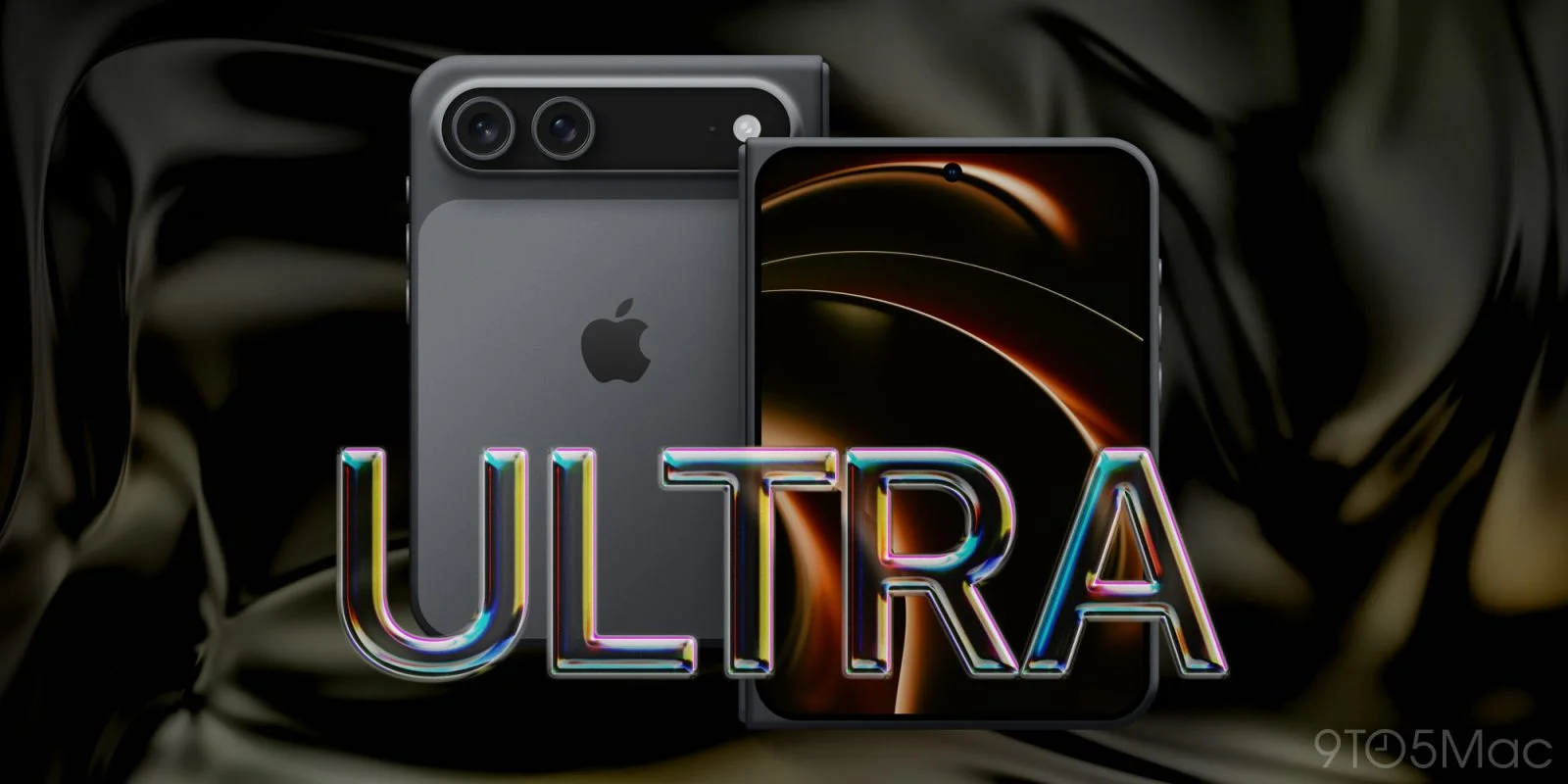
As anticipation grows for the iPhone Ultra's debut, which is reportedly slated for early September, murmurs of a U.S.-exclusive launch have surfaced. A recent analysis points to supply challenges as the primary factor behind this potential limitation. Apple's strategy has often been to manage supply chain complexities while addressing consumer demand, but this balancing act can lead to unexpected shifts in launch plans.
Supply Issues Could Restrict Launch
According to David Richards of ChannelNews Australia, Apple's first foldable iPhone is set to be revealed at its forthcoming event, yet its availability may face significant delays — particularly in Australia. A major supplier in China hinted that the device's launch could be hindered by both pricing complexities and production testing hurdles. Supply chain disruptions aren't new in the tech industry; it's a challenge that many manufacturers have grappled with since the pandemic.
One supplier conveyed to ChannelNews, “The delay is primarily down to supply and pricing issues,” further asserting, “we believe the Company is also having testing issues with production models that have already been built.”
Apple's efforts to maintain high-quality standards often lead to thorough testing phases, which can delay a product's time-to-market. This isn't merely about getting the logistics right; it's a matter of ensuring that any new features, particularly those of a breakthrough nature like foldable technology, perform as advertised. Failures to meet these internal benchmarks could mean consumers will have to wait longer than expected.
While prior forecasts of limited supply weren't unprecedented, a U.S.-only rollout might serve as a pragmatic, temporary fix should circumstances require it. Apple's strategy could involve a gradual expansion beyond the U.S., preferring to manage resources effectively rather than face an all-out delay. Experts often suggest that a phased launch allows companies to fine-tune production and sales strategies in real-time, based on initial market response. However, this approach also risks alienating international fans eager for the latest technology.
That said, there are reasons to question the reliability of this report. The event’s timing has historically followed a predictable pattern, and September 8th — although mentioned — seems unlikely due to the proximity of Labor Day in the U.S. Apple typically aims to avoid clashing with significant holidays that might affect consumer attention.
Instead, it would be more typical for Apple to schedule its event on a date avoiding immediate post-holiday congestion. The following day, September 9th, might present a more strategic option. This not only keeps the focus on the product launch without distractions but also provides ample lead time for marketing efforts that could energize consumer interest.
Uncertainties Reveal Market Implications
The report's foundation on local insights from Australia and China raises further skepticism about claims regarding a U.S.-only launch. While those regions may not see immediate availability, determining specific market launches based solely on local feedback can be misleading. Markets are interconnected, and a decision that's designed to optimize resources in one geography might have ripple effects elsewhere.
Apple might find deploying the iPhone Ultra in the U.S. during September, with a phased rollout to additional regions, to be a balanced approach. This method could mitigate longer delays in market entry while satisfying initial demand. Introducing the product in stages allows for valuable data collection on user reactions and preference patterns. If you're working in this space, you'll recognize that real-world feedback can be incredibly useful for tweaks or updates moving forward.
But what are the risks of this plan? A staggered rollout could frustrate potential customers in other regions, fostering a sense of exclusivity that might have a negative impact on brand perception. Consumers today expect equal access to products, and uneven availability might inadvertently lead to dissatisfaction—a situation Apple generally strives to avoid.
You may be wondering: What are your expectations for the iPhone Ultra's shipping timeline? Join the conversation and share your thoughts on the evolving narrative surrounding this highly anticipated device. The back-and-forth of speculation illustrates the delicate nature of tech launches, where consumer attention and expectations are paramount.
*Shop at Apple with 15% discount on certified refurbished
Recommended iPhone Accessories
- AirPods Pro 3 (now only $189, down from $249)
- MagSafe Car Mount for iPhone
- 10-year AirTag battery case
- 100W USB-C fast charging power adapter
- AirTag 2 (1-pack / 4-pack)
Future Outlook and Significance
The ongoing uncertainty surrounding the iPhone Ultra’s launch hints at broader issues within the supply chain that's affecting many industries. Tom Hardy's analysis of supply chain resilience could become more relevant as Apple navigates these waters. There's a consensus that unless addressed, supply challenges could increasingly dictate how tech giants manage their product schedules.
As the season transitions towards major shopping events, the pressure on Apple escalates. The brand's ability to deliver timely launches will play a pivotal role in maintaining its market position and customer loyalty. If Apple doesn’t deliver on the hype, consumer sentiment could shift, particularly among tech-savvy users who expect more than just minor updates.
In short, the delays could lead to long-term implications for revenue and brand equity. While Apple has weathered storms before, the stakes are high. All eyes will be on how it balances these complexities in the upcoming months. This is more significant than it looks; the decisions made now could resonate for a long time, impacting not only Apple but the entire tech ecosystem.
Discussion
Sign in to join the discussion.