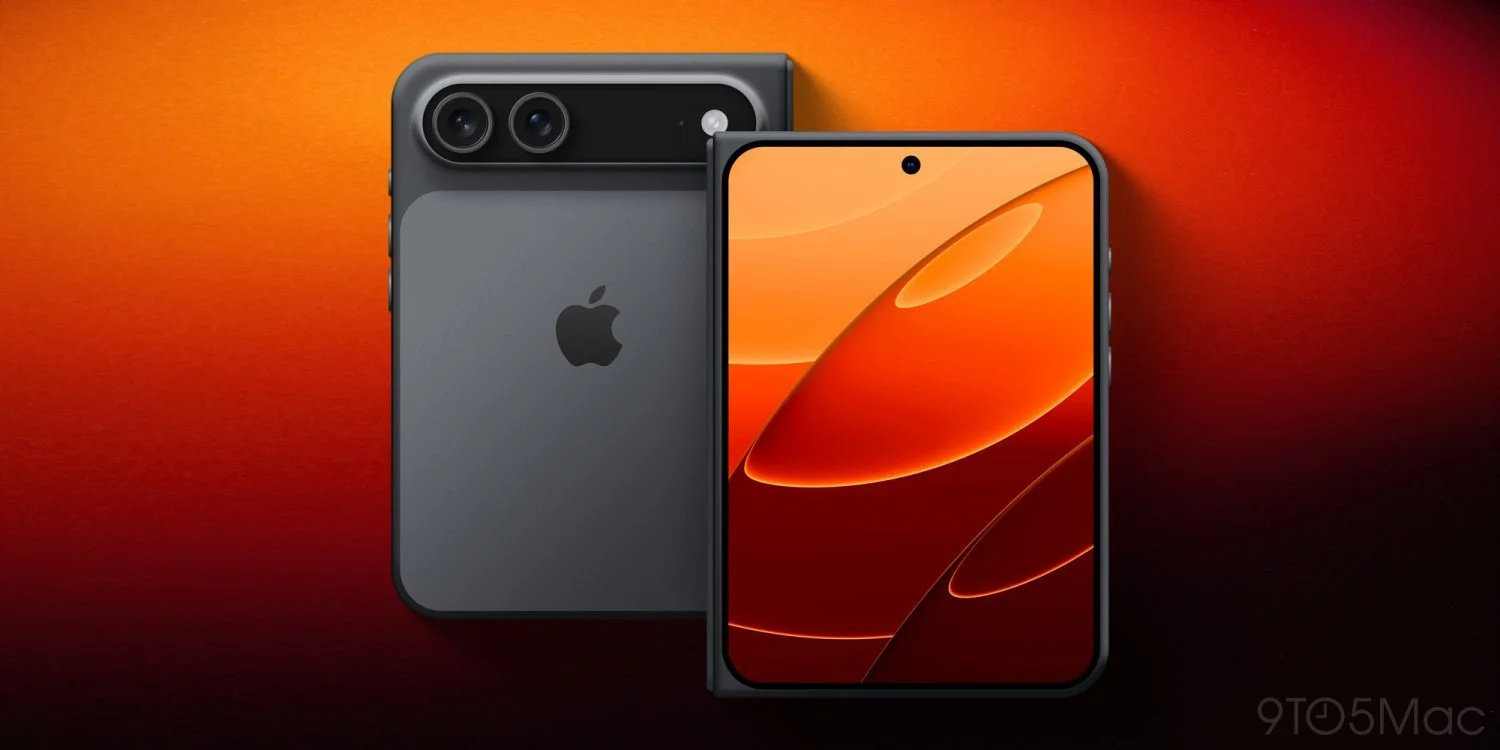
Apple’s upcoming iPhone Ultra aims to avoid the dust ingress issues that plague Samsung’s foldables, but can it meet user expectations on durability?
Samsung's Foldable Screen Issues
The initial rollout of the Samsung Galaxy Fold back in 2019 was marred by significant vulnerabilities. Users found that the device was prone to screen damage due to dust and dirt getting trapped in the hinge when folded. This flaw was critical enough that the company suspended all pre-orders for the device. The Galaxy Fold’s tumultuous launch served as a cautionary tale, highlighting the risks associated with pioneering new technology—especially in a segment where durability and user experience are paramount.
Fast forward to today, and reports indicate that this long-standing issue continues to affect newer models. The Galaxy Z Fold 8, which is the latest iteration, has shown that it still falls victim to similar problems. Many tech enthusiasts expected that by now, the company would have addressed these issues thoroughly, but the persistence of such vulnerabilities raises questions about Samsung's commitment to product quality.
iFixit’s analysis of the Z Fold 8 revealed its IP48 ingress protection rating, which fails to shield against particles smaller than 1 millimeter. As a result, dust and sand can infiltrate the hinge mechanism, leading to extensive damage and costly repairs. Continued folding may even cause disturbing noise and malfunctions, according to their teardown assessment. This suggests that not only is there a liability in the product’s design, but also it undermines user confidence in Samsung's engineering capabilities.
Why Apple Delayed Its Foldable Launch
In the face of such challenges, Apple took a cautious approach, waiting over seven years to introduce its own folding phone. Two primary factors contributed to this delay. First, Apple wanted to eliminate the visible crease that typically arises when unfoldable screens are opened. Achieving a smooth display was complex enough that Apple's team collaborated directly with Samsung to address the issue. This is more significant than it looks—Apple's reputation hinges on aesthetic perfection and user satisfaction, and an unsightly crease would be unacceptable.
Secondly, Apple expressed concerns regarding the reliability of Samsung's hinge designs. It is reported that enhancements to these mechanisms remained incomplete until mid-2023. Only then did Apple feel secure enough to proceed. This indicates a clear difference in their approach: while Samsung frequently jumps into new technology, Apple meticulously ensures every detail is fine-tuned before public release. If you're working in this space, you know that innovation needs balance with reliability.
Can the iPhone Ultra Avoid These Setbacks?
As we anticipate the arrival of the iPhone Ultra, expectations are high regarding its durability and performance. Initial indications suggest that Apple has successfully addressed the visible crease in the display. The technology used likely mirrors that of Samsung’s latest models, yet is refined to ensure that it remains less visible. It’s a delicate dance between innovation and practicality, and it seems Apple believes it has found the right rhythm this time.
The true test for the iPhone Ultra will be its hinge mechanism's resilience to daily use and whether it can withstand dust and dirt intrusion. Evaluating its ingress protection rating will be key to this assessment. It's no trivial matter; the hinge is often the Achilles' heel of foldable devices.
Ingress Protection (IP) ratings can be pivotal in determining how well a device resists environmental contaminants. Ratings vary from zero (no protection) to six (totally dustproof). Notably, the Z Fold 8's low score of four indicates vulnerabilities to particles smaller than 1mm. This creates a significant concern for users who often work in various environments where dust can become a major issue.
For the iPhone Ultra, fans are hoping for a minimum IP rating of five, with six being ideal. The iPhone 17 Pro currently boasts an IP68 rating, indicating complete dust protection. As we await details on the iPhone Ultra, much anticipation surrounds whether it will feature similar or improved dust-resistance capabilities. If Apple can achieve a superior rating, it may just redefine expectations for foldable devices.
The official specifications are expected to be revealed shortly post-launch, and if Apple has taken the appropriate measures, fans could witness a device that not only performs but also defends against the dust issues that have plagued foldable phones thus far. Apple is likely to highlight these specifications during its anticipated keynote presentation. This could become a pivotal moment for foldable technology, setting a new standard for competitors. But can Apple really deliver? Only time will tell.
Implications and Future Outlook
The consequences of these advancements stretch beyond the companies involved; they could revitalise the entire smartphone market. If Apple successfully sidesteps the issues that have troubled Samsung, it might compel the latter to rethink its design philosophy and product testing processes. A culture of accountability could emerge, leading to a future where consumer electronics are more durable and user-friendly than ever.
On the other hand, if Apple stumbles during its entrance into the foldable market, it could create a ripple effect, leading to increased consumer skepticism towards foldables altogether. Prudent consumers might even choose to wait for a more mature generation of this technology. Expect to see both companies investing heavily in R&D to ensure their products can withstand real-world usage—because consumers are no longer willing to accept compromises in durability.
Discussion
Sign in to join the discussion.