Apple's upcoming iPhone 18 series includes the Pro models and a foldable Ultra, shifting focus to premium specs and leaving out lower-end devices.
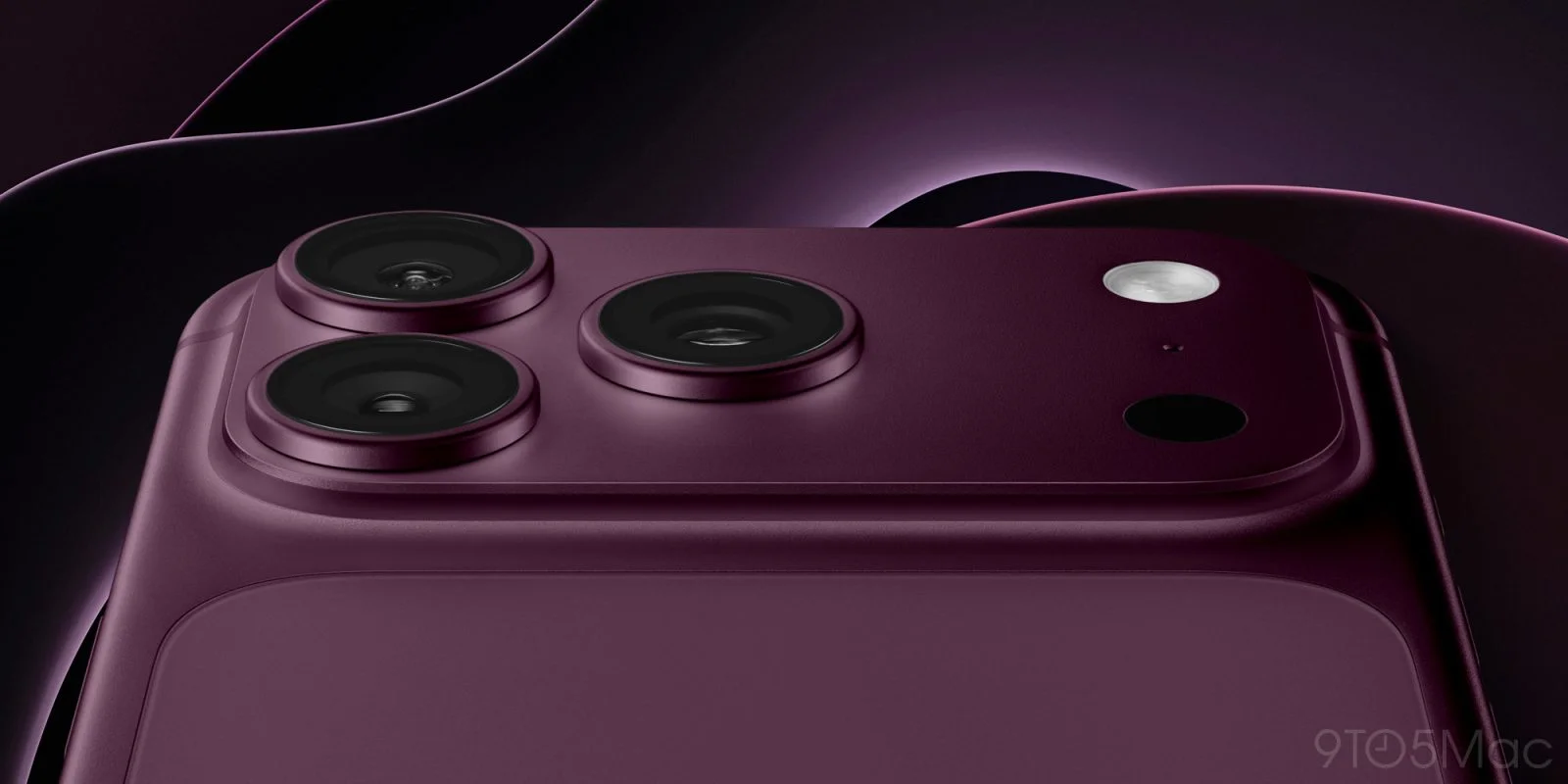
As the highly anticipated September event approaches, Apple is gearing up to launch its iPhone 18 series, featuring the iPhone 18 Pro, iPhone 18 Pro Max, and the striking iPhone Ultra. This year's offerings signal a definitive shift towards premium products in Apple's smartphone lineup, clearly drawing a line between high-end features and more accessible options, which are noticeably absent this year.
iPhone 18 Pro and Pro Max Features
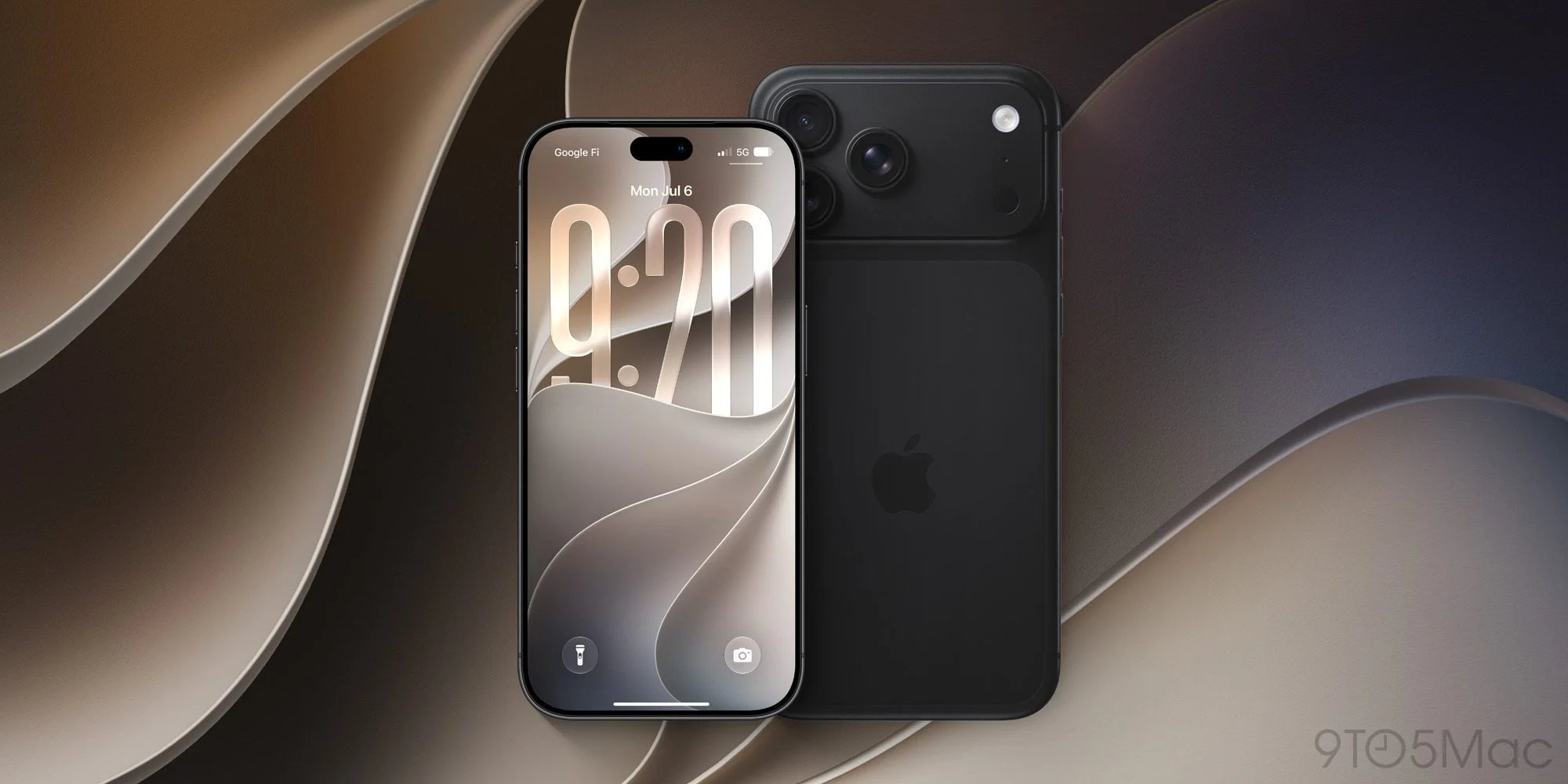
The iPhone 18 Pro and Pro Max are set to succeed the popular 17 Pro series, bringing a host of new features that elevate the devices in performance and aesthetics. Apple has consistently aimed to enhance its flagship models with every iteration, but this year seems to be particularly focused on catering to a high-end audience willing to pay top dollar for superior technology.
Anticipated enhancements include:
- A20 Pro chip for enhanced power management and performance
- Significant camera upgrades, particularly featuring a variable aperture on the Main camera
- A 35% reduction in the size of the Dynamic Island, contributing to a more refined design
- Exclusive color options, including a striking bold burgundy
- The iPhone 18 Pro Max is poised to offer the best battery life in its class
- A revamped Camera Control interface for better user experience
- Introduction of an Apple-designed C2 cellular modem
- New satellite features including 5G capabilities
Moreover, pricing for the iPhone 18 Pro is rumored to start at $1,399, although estimates suggest a range that could potentially be lower. But the price tag reflects Apple’s ongoing strategy to position itself firmly in the premium segment. Rather than compelling budget options, users are encouraged to consider investing in a superior experience. If you're working in this space, you likely recognize that Apple’s products are becoming tools for social status as much as they are for functionality.
Introducing the iPhone Ultra
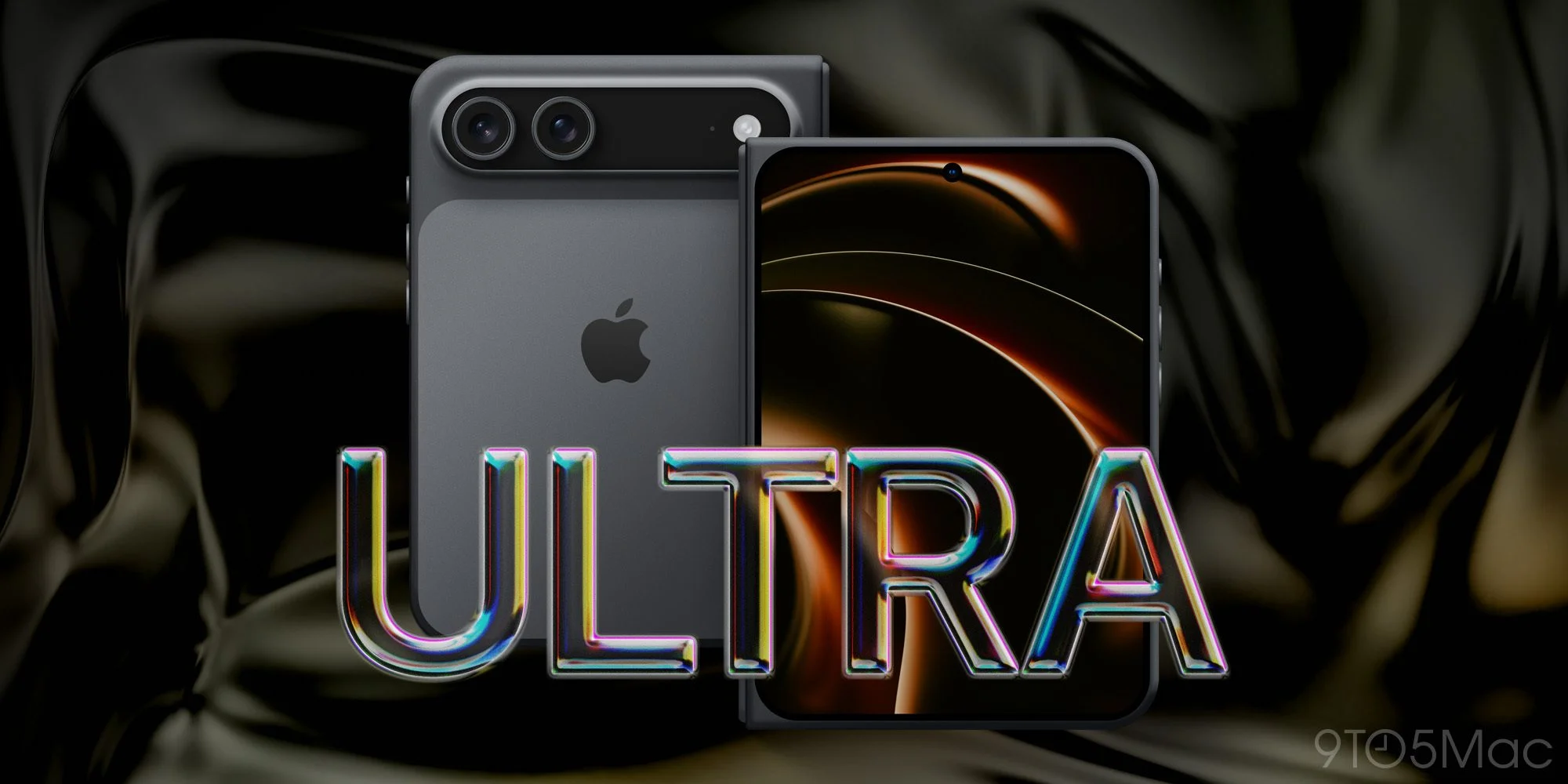
The rumored iPhone Ultra is speculated to be Apple's inaugural foldable device, likely priced beyond $2,000. This ambitious model features a book-style fold with a 5.4-inch outer display and a generous 7.8-inch inner display, drawing parallels to the iPad mini. With this offering, Apple appears to be stepping firmly into the foldable market, one that has proven challenging for some of its competitors.
Design-wise, it may incorporate materials reminiscent of the iPhone Air, boasting a sleek titanium frame. Its camera system includes dual rear cameras and two front-facing cameras for versatile usage across displays, utilizing Touch ID instead of Face ID. Now, here’s the part most people overlook: the interface and usability of foldable devices often lag behind their potential. While Apple may promise an advanced experience, the real challenge lies in delivering it consistently.
Software upgrades will shine with iOS 27, enabling side-by-side app multitasking and layouts that maximize the foldable experience. Performance is expected to align with the iPhone 18 Pro, housing the same A20 Pro chip and advanced cooling technology. By synchronizing their latest hardware and software, Apple hopes to make users feel as if they’re getting a fully integrated ecosystem, although how well that actually works will heavily depend on user feedback and real-world usage.
What's Not Launching: iPhone 18 and iPhone Air 2
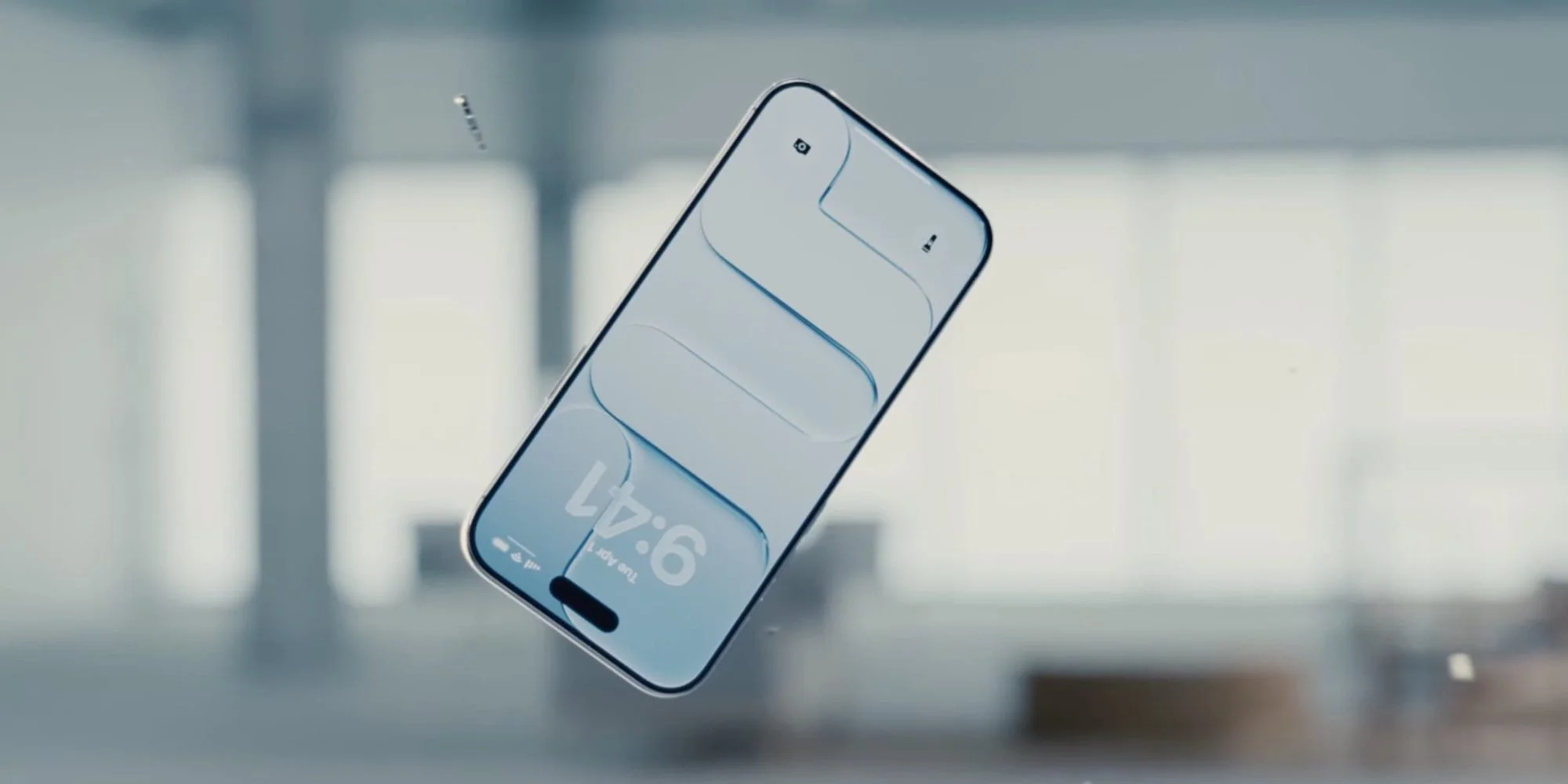
Unlike past years, there's no indication of a standard iPhone 18 model or an iPhone Air 2 debuting this September. Reports suggest that both models may be delayed until early 2027, which adds an unusual twist to Apple's usual release strategy. Historically, Apple has introduced a wide range of models each year, catering to different market segments from budget-conscious consumers to high-end aficionados. This strategy meant that everyone found something suitable.
This timing shift may stem from external factors such as the ongoing memory shortage rather than purely strategic decisions. The recent supply chain disruptions have left many tech companies scrambling, and Apple is no exception. Consequently, this fall will see a concentrated focus on high-end models, leaving mid-range options absent from the lineup. This absence could create an opening for competitors to fill the gap with more affordable models — a situation Apple would prefer to avoid.
What this means for you: If you're considering an upgrade this fall, the choices are limited and skewed heavily toward high-end models. Which model catches your eye? Share your thoughts below.
Implications and Future Outlook
The shift to premium models raises questions about Apple's marketing strategy, especially if the economy continues to face turbulence. While Apple's brand loyalty is substantial, can they maintain the same sales momentum when pricing goes up? Moreover, the delays of the iPhone 18 and Air 2 indicate possible issues in production or market demand, showing that even a powerhouse like Apple isn't immune to broader economic pressures.
As they focus on high-end devices, Apple risks alienating a segment of its customer base that may not be ready to step into the ultra-premium tier. It'll be fascinating to see how this all plays out in subsequent quarters, particularly amidst a landscape where competition is fierce, and consumer preferences are shifting. If competitors succeed in offering viable alternatives, it could make for challenging times ahead for Apple's ongoing dominance.
Discussion
Sign in to join the discussion.