Smart glasses are poised to transform technology, featuring insights from Will Wang on hardware innovation and the challenges of privacy.
Future of Smart Glasses
In a compelling discussion on the 9to5Mac Overtime podcast, Even Realities CEO, Will Wang, shares his insights on the evolution of hardware innovation and the pivotal role smart glasses will play in our tech-driven lives. His comments come at a time when smart glasses are vying for relevance in a market saturated with innovative devices. They represent not just the next step in wearable technology, but also an intersection of computing and augmenting reality that could redefine how we interact with information and our environment.
The Landscape of Smart Glasses
As smart glasses transitioned from niche products to mainstream consideration, their potential applications expanded significantly. Early models like Google Glass faced criticism for their practicality and privacy implications. Yet, the latest iterations are leveraging advancements in augmented reality (AR) and artificial intelligence (AI) to enhance user experience. This blend of technologies could accelerate adoption rates as they offer solutions to everyday tasks, from navigation to fitness tracking. However, adoption won't just hinge on technology; user acceptance shaped by societal norms and expectations is equally important.
Shifting Innovation Hubs
Wang emphasizes the decline of Silicon Valley as the pinnacle of hardware development, shedding light on the growing influence of other regions, particularly in China. This shift illustrates a major transformation in the tech sector; innovation isn't confined to the West anymore. For decades, Silicon Valley has been synonymous with tech success, but this narrative is changing. Companies from Asia and Europe are investing heavily in research and development, often leading to unique solutions that challenge the status quo. With devices like smart glasses, regions with different cultural and technological perspectives might come up with approaches that impact global standards.
Cultural Factors and Market Dynamics
What this means for the ecosystem of smart glasses is multifaceted. Different regions have varying approaches to privacy and data management, with consumers in certain cultures being more accepting of data collection practices than others. The Chinese market, for instance, shows a willingness to embrace technology that blurs the lines between personal and commercial use, which may speed up the adoption of smart glasses there. Alternatively, consumers in North America and Europe might exhibit caution around privacy issues, raising significant barriers for manufacturers aiming for a broad market. Connection to local norms can either bolster or hinder the acceptance of tech products.
Challenges Ahead
During the conversation, privacy concerns emerged as a major topic regarding the integration and acceptance of smart glasses in everyday life. Wang pointed out that tackling these issues is essential for the technology to gain widespread adoption. As devices become increasingly capable of capturing and analyzing our activities, fears concerning surveillance and data misuse will loom large. Addressing these apprehensions effectively is not just a matter of tech improvements, but also a marketing challenge of reshaping public perception and fostering trust. If manufacturers fail to convince consumers that their data is secure and used ethically, smart glasses may never fully penetrate the consumer market.
Regulatory Considerations
The regulatory landscape surrounding smart glasses is still developing. In several jurisdictions, privacy laws are tightening, influencing how technology companies can design and market these devices. Compliance with GDPR in Europe or CCPA in California, for example, presents a significant hurdle, compelling manufacturers to invest in privacy-first features and transparency measures. Nevertheless, over-regulation could stifle innovation, leading to a delicate balancing act where policy and technological advancement must coexist without undermining either side. Manufacturers need to be proactive in shaping policies that foster innovation while protecting consumer interests.
The Even Realities G2
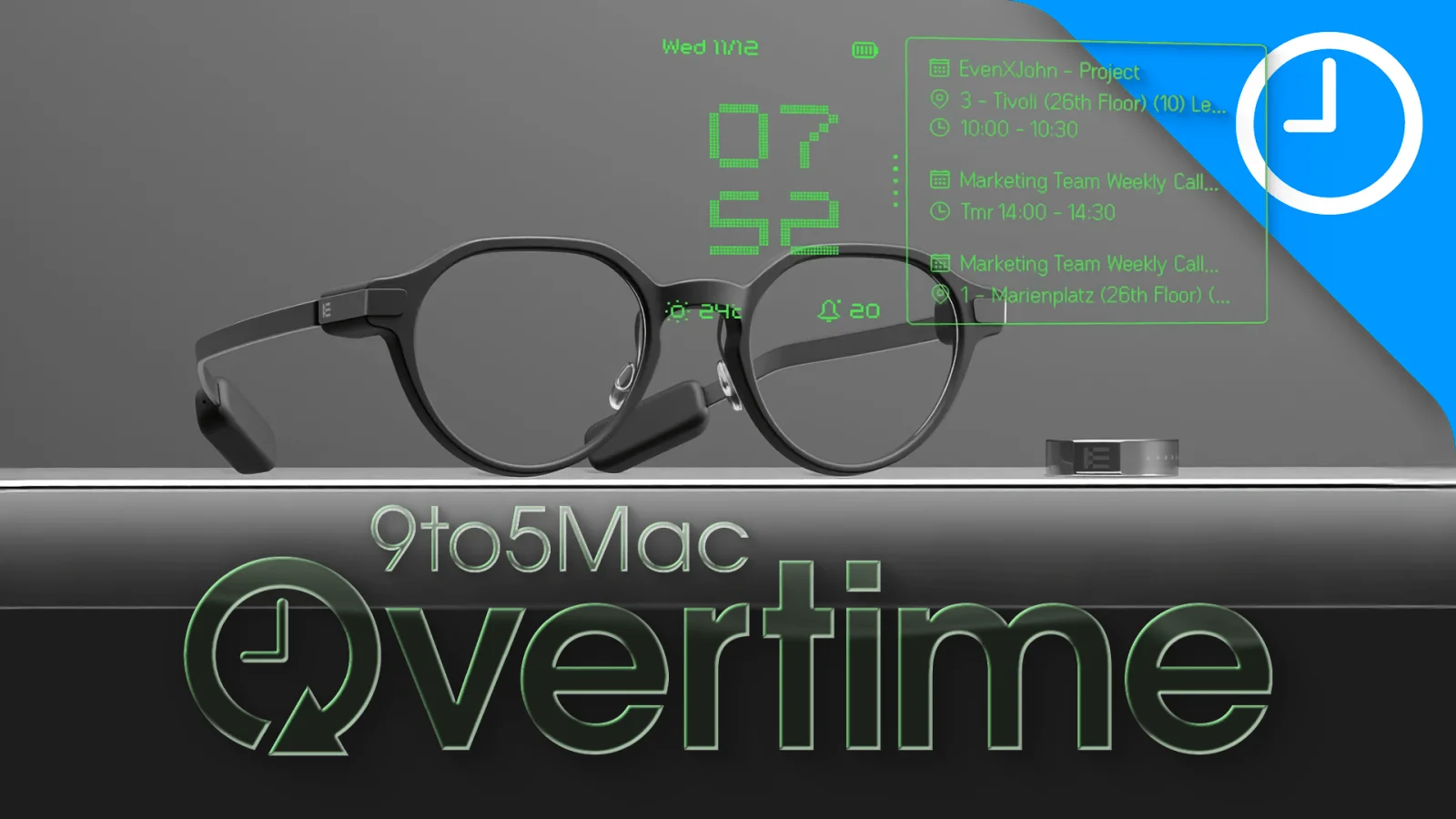
The podcast also covers the features of the Even Realities G2, a product that aims to address both functional and privacy challenges in the smart glasses market. The G2 represents a concerted effort to elevate the category by not only providing advanced AR capabilities but also prioritizing user privacy. It’s a strategic bet during a time when consumers are more informed and wary of privacy issues than ever. This model underscores the importance of building consumer trust as part of the product development cycle, thereby making privacy a fundamental element rather than an afterthought.
Implications for the Industry
The evolution of smart glasses, as underscored by the Even Realities G2, signifies a potential paradigm shift within the consumer electronics industry. Companies that prioritize privacy while pushing the boundaries of technological capability may find themselves leading the market. If these devices can successfully blend functional benefits with ethical considerations, they could fill gaps left by previous iterations that failed to achieve traction. That said, the technology industry must remain vigilant, adapting to consumer feedback and regulatory developments while fostering innovation. This isn't just an opportunity; it’s a challenge that demands agility and foresight.
Listen to Overtime
For more insights on technology and Apple, tune into 9to5Mac Overtime on Apple Podcasts or check out their YouTube channel.
Discussion
Sign in to join the discussion.