The TerraMow V1000’s camera-based navigation system simplifies setup and enhances usability, offering a compelling alternative for robot lawn mower enthusiasts.
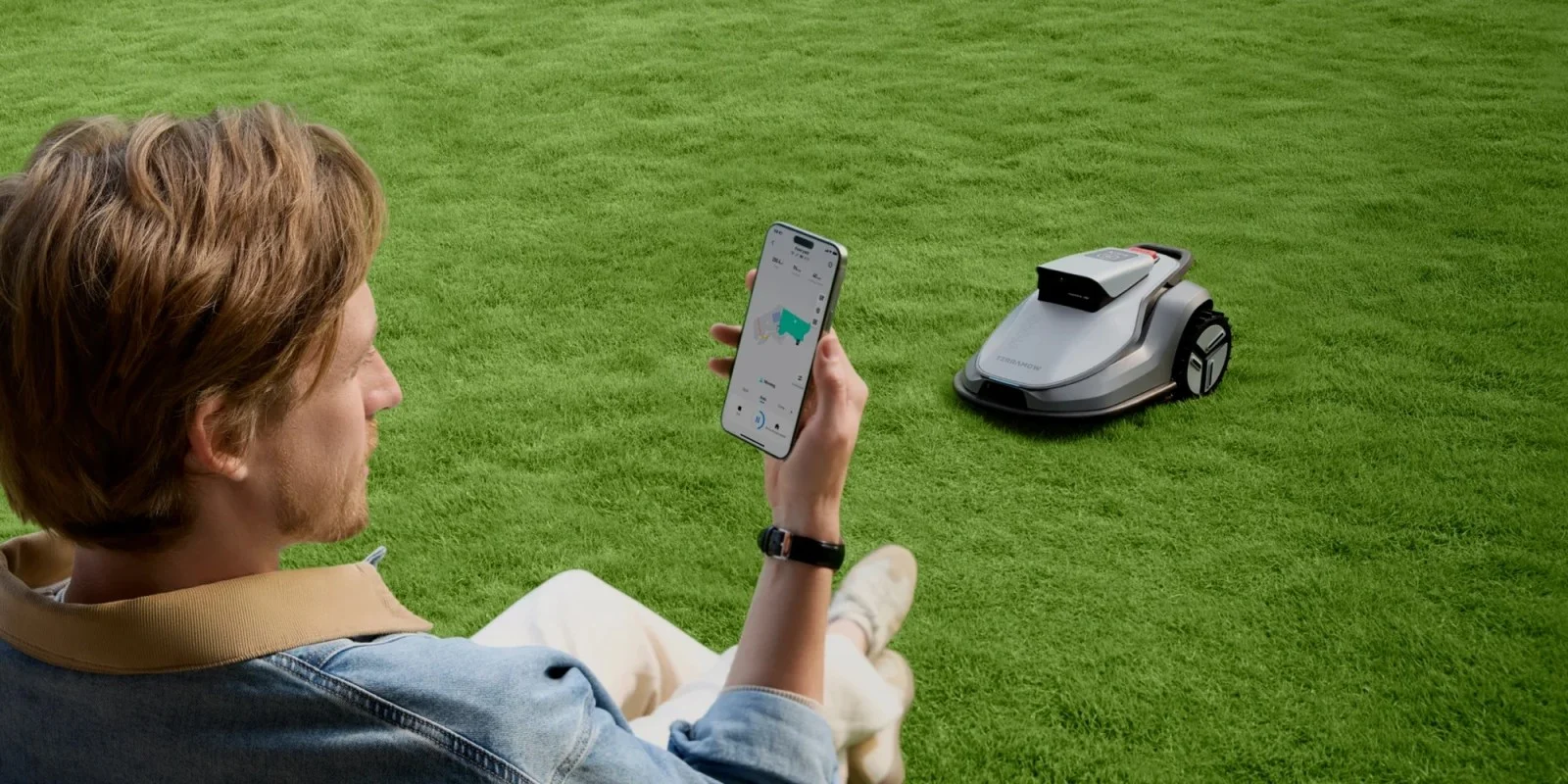
Replacing my conventional push mower with a robot lawn mower has been enlightening, especially as I've tested various models. My latest experience with the TerraMow V1000 allowed me to explore a new navigation method that sets it apart from others on the market.
Innovative Navigation with Camera Mapping
Unlike the Anthbot M9, which depends on an RTK reference station for positioning, TerraMow V1000 utilizes its own system dubbed TerraVision 2.0. This technology employs three cameras to create a virtual map of your lawn automatically. Without the need for buried perimeter wires or external RTK antennas, the approach is designed to cater to casual users who prefer a less hands-on setup.
The initial mapping process took more time than that of the Anthbot M9. However, it proved to be easier for a broader audience. For instance, I let my mom, who lives in another state, handle the setup without my input. Her success with the V1000 highlighted its accessibility, especially compared to the manual steering required by the Anthbot to create the initial map. One challenge I encountered was that TerraMow mistakenly included a portion of my neighbor's lawn in its layout due to the lack of physical boundaries. However, the app enabled me to mark that area as off-limits with relative ease.
Live Camera Feed: An Unexpected Benefit
One standout feature of the TerraMow is its ability to stream a live feed from its cameras straight to your iPhone. During my testing, I found it enjoyable to use iPhone Mirroring on my Mac. This allowed me to monitor the mower’s activity while multitasking indoors, offering insight into its behavior—why it slowed down or maneuvered around specific obstacles. This feature isn’t necessary for autonomous operation, but it undoubtedly adds an element of engagement that I found lacking in the Anthbot M9.
Both devices come with user-friendly apps that let you schedule mowing sessions, adjust mowing preferences, and create no-go zones. However, TerraMow upgrades the manual control experience. It includes a one-handed joystick mode, allowing you to guide the mower naturally with your thumb while holding your iPhone normally. This control style enhances the user experience and makes it enjoyable to intervene for touch-up work, transforming what could be a mundane task into a more interactive one.
Performance: More Than Just a Mower
During my tests, the TerraMow V1000 impressed me with its cutting prowess. It delivered a more aggressive mowing experience compared to the Anthbot M9, with a noticeable increase in cutting depth and sound during operation. While not excessively loud, it was significantly more prominent, in contrast to the Anthbot which often operates so quietly that it's easy to forget it’s running—particularly when it mows after dark.
Drawing from its camera-based navigation, TerraMow requires sufficient daylight for optimal functionality. This fact makes it essential to schedule mowing sessions during daytime, as the need for visibility affects its reliability. Physically, the V1000 feels sturdy and larger than the Anthbot M9, plus it comes with a protective garage for its charging station, a feature that the Anthbot necessitates extra purchase for.
Adaptive Mapping: Pros and Cons
A fascinating aspect of TerraMow is its adaptive mapping ability. The mower continuously updates its map based on visual input, which aids in navigation but can also lead to complications. After a rainy spell, for instance, puddles formed in my yard, causing the mower to avoid those areas during subsequent jobs. Over time, the grass in those spots grew taller, perpetuating the avoidance cycle. The solution required me to manually guide the mower back over the area through the app, effectively resetting its perception of that patch.
Another challenge is that tall grass along indistinct boundaries can create confusion for the mower, as it might interpret long grass as an avoidance obstacle. In comparison, the Anthbot relied more on manually inputted boundaries, which, while requiring more upfront effort, appeared to mitigate unpredictable behavior stemming from adaptive learning.
Final Thoughts
After evaluating both systems, I lean toward the TerraMow for the average consumer. The absence of buried wires and supplementary RTK hardware makes it appealing, especially for those averse to intricate setups. Despite some challenges—extended initial mapping time, manual adjustments for boundary delineation, and occasional misclassifications in lawn growth—they're manageable trade-offs. TerraMow V1000 offers simplicity in setup, reliable autonomous mowing, an engaging live camera feature, and the most effective manual controls I've encountered in a robot lawn mower.
For anyone looking to simplify lawn care while maintaining neatness, the TerraMow V1000 is a strong contender. Currently available on Amazon for $999 with promotional discounts, it stands as an accessible option for homeowners keen on robotics in their landscaping efforts.
Discussion
Sign in to join the discussion.