Google Play is now hosting third-party app stores like Aptoide Games, offering users easier access to alternative Android app marketplaces.
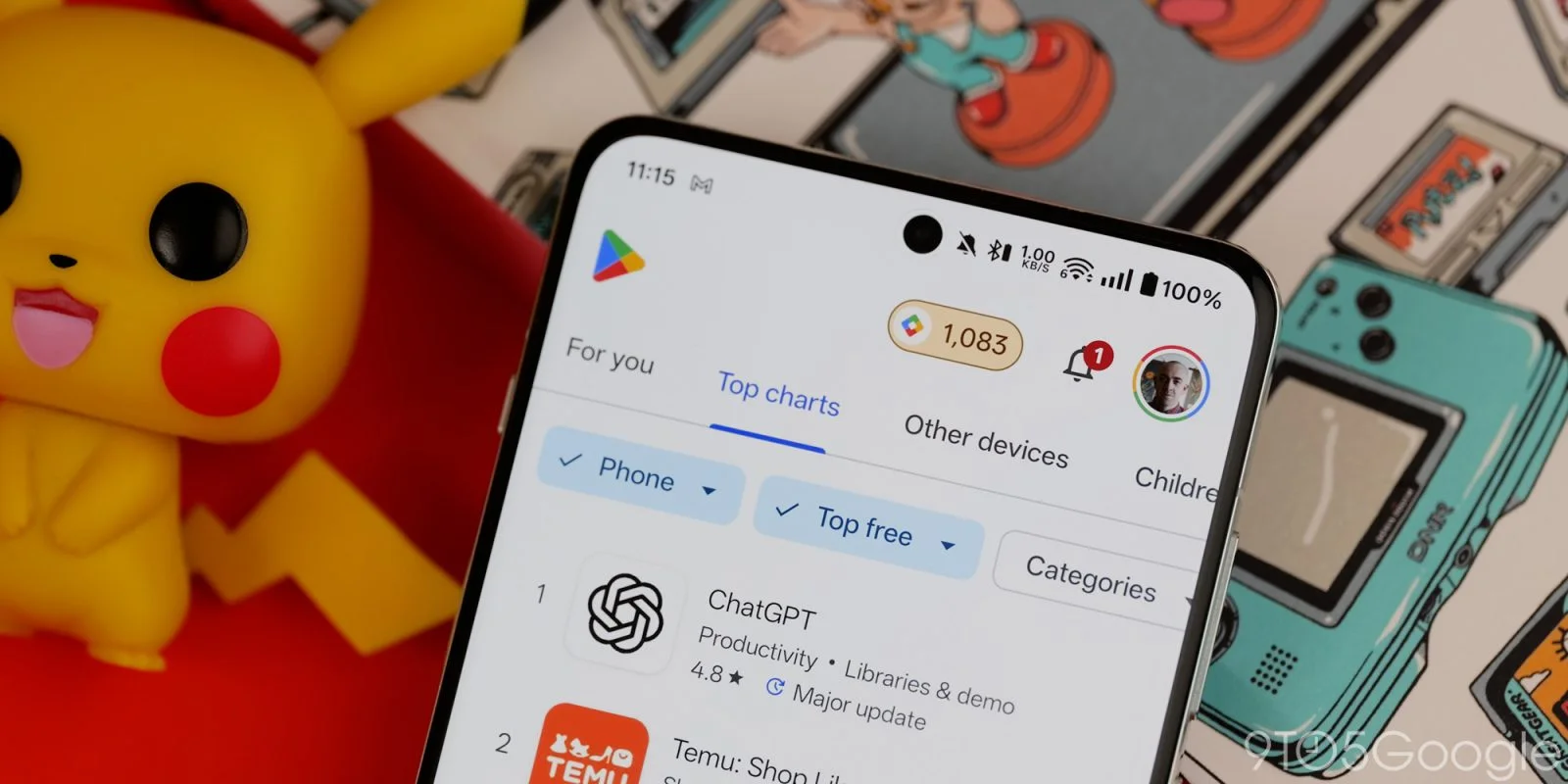
In a significant shift, Google has begun allowing third-party app store distribution within the Play Store in the United States, following an extended legal battle. The initial offering includes only Aptoide Games, a platform that focuses primarily on games, providing both free and paid titles. This move isn't just a regulatory response; it marks a pivotal moment in how app distribution could evolve, shaking up the traditional models that have kept major players in control of ecosystems.
The Implication of Third-Party App Stores
The inclusion of third-party app stores in the Play Store has been heavily scrutinized. Traditionally, Google has maintained tight control over the Android ecosystem, primarily to safeguard its user base against malware and ensure quality across its offerings. Allowing third-party distribution can be seen as a concession—one that could redefine app access for users. While the potential for increased app diversity is appealing, you can't overlook the risks involved in less regulated environments.
Alternative app stores present opportunities for developers who may struggle to gain visibility in a saturated market. Yet, there's a double-edged sword at play; the lack of stringent quality checks could also lead to issues down the line—particularly with security vulnerabilities. This shift may excite developers eager to break free from Google's stringent approval process, but it could leave users navigating a riskier path.
Navigating the New Features
This new feature enables users to discover and install alternative app stores via a dedicated landing page in the Play Store. However, accessing these stores is limited; they won’t appear in standard app listings but can be found through specific links or direct searches. Google detailed the process on its support page, stating:
Users can uncover and download third-party app stores via deep links, the Google Play account menu, the apps category page, or by searching for terms like "App Store" or the name of a specific store.
The adjustment means that the path to alternative app ecosystems isn’t as transparent as some might hope. Although Google provides methods to access these stores, the limited visibility could deter average users. Not everyone will know to search for "App Store" or what specific app stores might offer. If you're working in this space, it's essential to consider user education—many could miss out entirely due to the unconventional access points.
Installing Aptoide Games resembles that of any standard Android app. Upon downloading, users simply need to accept an “Install” prompt, with no extra security steps needed. An example test conducted with the game "Clash of Kings" showed that launching games works smoothly from the Aptoide platform. But remember, just because it mimics a standard download doesn't guarantee safety. The simplicity of installation comes with the expectation that users will be discerning and aware of potential risks.
The Role of Enforcement and Quality Control
While Google maintains that it enforces its own policies on these third-party stores, it bears mentioning that it doesn’t conduct a comprehensive review of every app listed. This means that although Google keeps a watchful eye, it isn’t directly responsible for updates or payment processes within these third-party environments. Many consumers might assume some level of vetting is conducted, but the reality is that they’re stepping into an arena where Google's control is significantly diminished.
The lack of hard checks could lead to situations where malware-laden apps make their way into users' devices, jeopardizing security. If you look at the history of app stores, you’ll find examples where unregulated environments have resulted in disasters. Google may argue that it’s not responsible, but in the end, user trust is pivotal, and the onus will likely fall back on them if issues arise.
Epic Games and Market Significance
This development sees Epic Games achieving a partial victory in its advocacy for broader distribution channels for app stores, paving the way for a cleaner, more straightforward method to access alternate Android apps and games. They've been vocal about the restrictions imposed by major platforms like Google and Apple, arguing that these constraints stifle competition. This arrangement could potentially catalyze other companies to seek similar pathways, challenging the app store hegemony that’s dominated for years.
But here's the thing: while this move could lead to increased competition and, in theory, better prices for consumers, it also raises questions about longevity. Will users embrace a platform where trust is fragmented? That depends largely on how the apps are managed and what measures are taken to protect consumers. If other developers jump on the bandwagon without robust strategies, the consequences could be dire.
Future Implications and Outlook
So, what does this mean for the future of app distribution? There’s a strong possibility that this is just the tip of the iceberg. As Epic Games, along with other developers, continues to push for better access, we may see further changes that either enhance or threaten the safety and integrity of app ecosystems. It's essential for both developers and users to stay vigilant as the landscape of application distribution undergoes these changes.
Ultimately, this shift may be what opens the floodgates to a more diverse app environment. Alternatively, it could backfire if consumers find themselves in a fragmented, less secure space. Only time will unveil the long-term impacts of this maneuver, but one thing is clear: the stakes are higher than ever.
Discussion
Sign in to join the discussion.