Samsung is ramping up Galaxy Z Fold 8 production by one million units, driven by unexpectedly high demand during pre-orders.
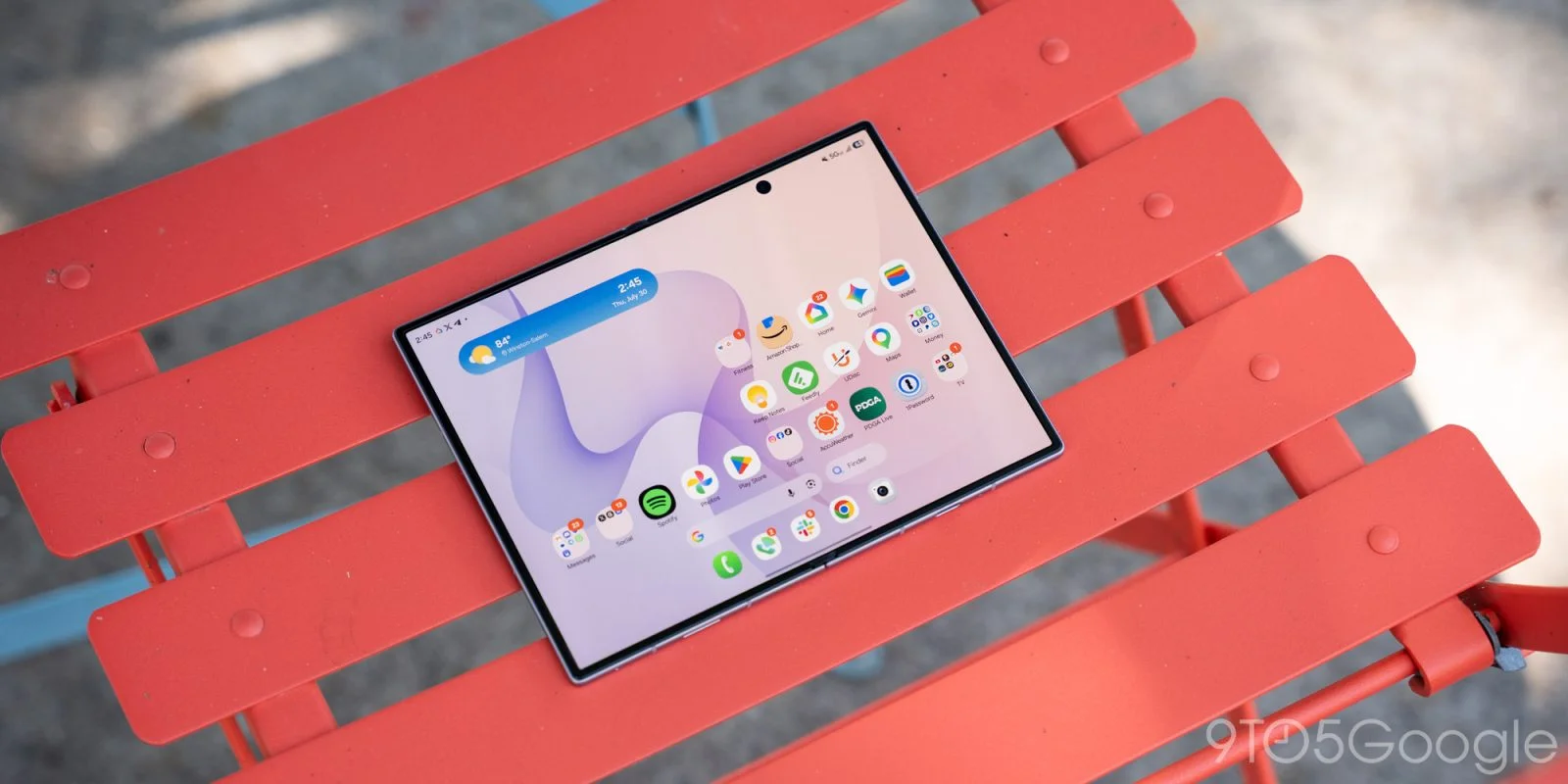
Samsung appears to be hitting a sweet spot with its latest Galaxy Z Fold 8, prompting the company to increase production by one million units to meet surging demand. This is a notable shift in strategy as it demonstrates Samsung's awareness of consumer preferences in the foldable market. The increase signifies more than just a bump in inventory—it showcases a deep understanding of emerging trends and an eagerness to adapt to them.
User interest in the new design is palpable; the device’s wider form factor has resonated well with consumers. It's not merely aesthetic; the practicality of the design is a significant factor as users prioritize functionality along with style. Pre-order figures exceeded expectations, with certain models even running out of stock or experiencing significant delays. This reflects a strong desire for devices that blend work and play, tapping into the lifestyles of tech-savvy consumers who demand versatility from their smartphones.
Record-Breaking Pre-Orders
- Samsung's Galaxy Z Fold 8 achieves record sales figures
- Galaxy Z Fold 8 surpasses pre-order records set by the Note 10
- In Europe, pre-orders are up 70% compared to the Z Fold 7
- Galaxy Z Fold 8 attracts Z Flip owners, says Samsung
The increase in production capacity reflects Samsung's quick adaptation to demand trends, with the company now producing more than earlier model generations. This isn’t just a numerical increase; it’s a clear commentary on consumer sentiment and market readiness for foldable technology. According to a report by ETNews, this additional million units comes as a timely solution to a consumer base that is evidently eager for the foldable experience.
It's striking that pre-orders for the Galaxy Z Fold 8 have exceeded those of its predecessor, the Z Fold 7, by such a wide margin—about 70% in some regions. This trend suggests that users are not only becoming more familiar with foldable devices but they are increasingly willing to invest in them. The strong performance in pre-orders indicates a wave of consumer confidence in the form factor, and it’s clear that Samsung's strategy to enhance the product experience is resonating profoundly. Traditional smartphone vendors should be eyeing these dynamics closely; after all, this isn't just a Samsung phenomenon.
Impact on the Market
This growing enthusiasm for the wider form factor suggests a promising future not only for Samsung but also for other manufacturers in the Android ecosystem. As Apple gears up for its entry into the foldable market with its own version, the implications are far-reaching. The competition will likely inspire enhanced features across various devices, pushing manufacturers to innovate at a faster pace. And yet, while competition can drive advancements, it can also fragment the market if different manufacturers pursue different design philosophies too aggressively.
Consumer preferences are shifting, and the success of the Galaxy Z Fold 8 could compel manufacturers to rethink their existing product lines. This could lead to a wider acceptance of foldable technology across varying price points, eventually making foldables less of a niche product. If you're working in this space, it’s a signal to stay ahead of the curve. Integration of features like better multitasking capabilities, improved battery life, and enhanced durability will be pivotal in this evolving terrain.
As foldable devices become more mainstream, we could also see shifts in distribution strategies and marketing approaches. If Samsung's foldable journey hints at anything, it’s that early adopters can pave the way for mass acceptance. And at the same time, you might not want to overlook the fact that durability and user experience will remain paramount concerns. This is where brands will either solidify their reputations or see consumer trust eroded.
Future Outlook
Looking ahead, this spike in interest for Samsung's Galaxy Z Fold 8 raises questions about what the future holds for foldables. Will non-foldable devices start to fade into obscurity as more users adopt this format? It's tough to say. This shift in user expectations means that devices need to be compelling enough to elevate themselves above standard models. There's an opportunity, certainly, but the stakes are high.
The growth trajectory of the foldable market also might depend on Samsung’s ability to maintain quality and availability. The production increase is a step in the right direction. However, supply chain disruptions or quality control issues could easily derail momentum. (and this is the part most people overlook) Quality assurance will go hand in hand with consumer expectations, especially as they grapple with these new technologies. Manufacturers must remember that today’s consumers are not just looking for flashy features, but also reliability.
In the long run, if Samsung can navigate these challenges and continue to excite its customer base, it could establish itself not just as a leader in foldables, but redefine what consumers expect from smartphones altogether. That’s the real test. Brands that succeed will either need to innovate or risk losing their place in an increasingly crowded marketplace.
Discussion
Sign in to join the discussion.