Google's Pixel 11 trade-in program offers up to $1,000 for high-end devices and attractive values for older smartphones like the Pixel 4a and iPhone 11.
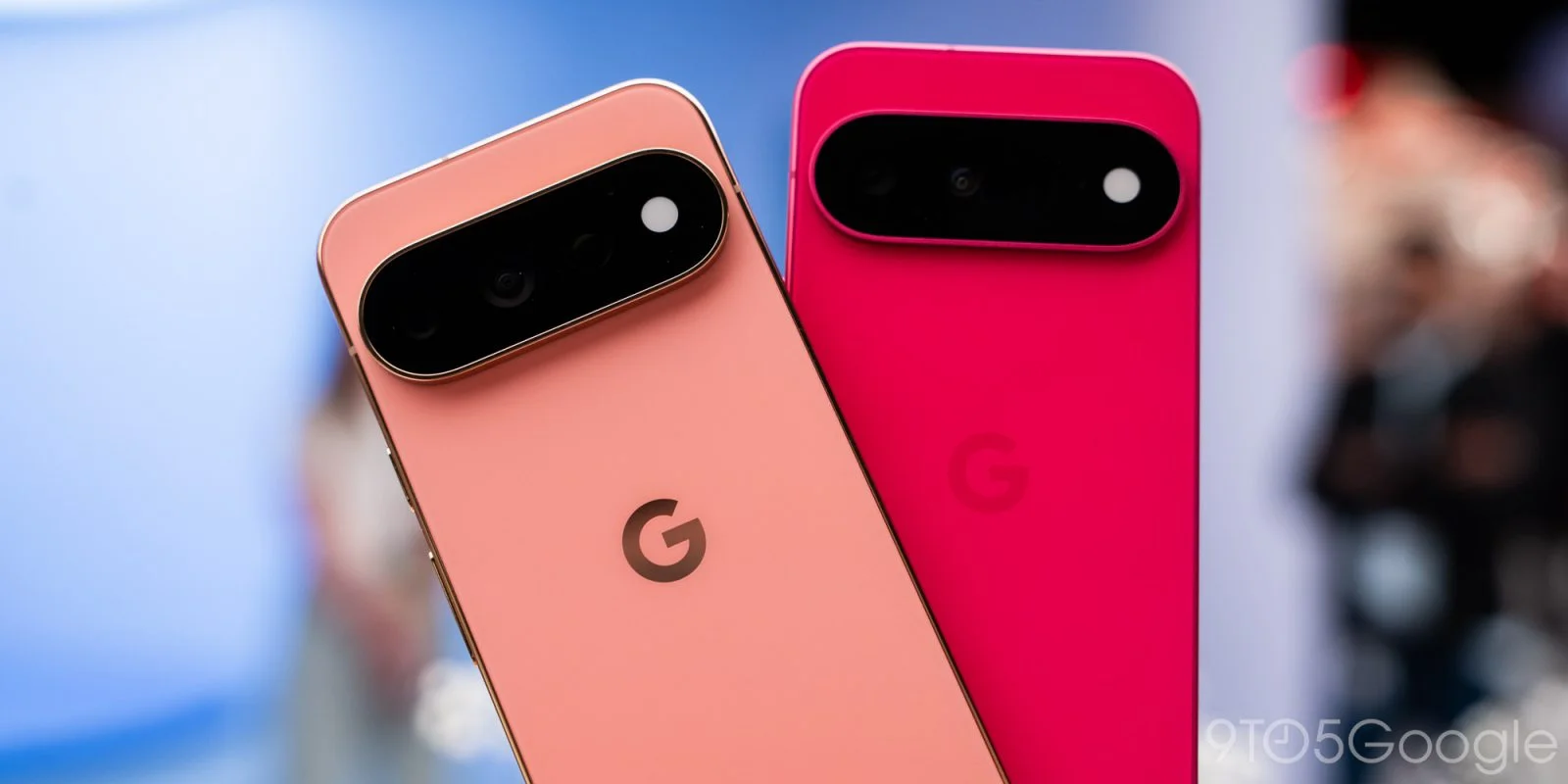
As the Pixel 11 series hits the market with increased pricing, Google is offsetting the impact with impressive trade-in values, making it easier for consumers to upgrade without breaking the bank.
Pricing Dynamics in the Smartphone Market
The recent price increases of the Pixel 11 and Pixel 11 Pro reflect broader trends within the smartphone industry. In recent years, companies faced escalating costs due to supply chain disruptions and rising component prices. This is not a unique situation to Google; rival brands have also adjusted their pricing strategies, often passing on these costs to consumers. The Pixel 11 series is priced about $100 higher than its predecessors, making this launch significant not just for Google, but also for how consumers perceive value in a highly competitive market.
The Pro XL and Pro Fold variants in particular highlight Google's strategy to appeal to high-end users, but this comes at a cost. As flagship devices, they often serve as benchmarks, influencing consumer expectations and competitor pricing. However, the price hikes might alienate some budget-conscious consumers, leading to an essential balancing act for Google: they must enhance perceived value while justifying higher costs. This is where trade-in values come into play.
Substantial Trade-In Values
Despite the higher price tags on the Pixel 11 and Pixel 11 Pro, Google's trade-in values are surprisingly favorable and serve as an important strategy for enticing upgrades. Last year's maximum trade-in for a Pixel 10 was around $800, but this year it jumps to an impressive $1,000 for premium models. Consumers trading in devices like the Pixel 10 Pro Fold or the Galaxy Z Fold 7 will benefit the most, but to achieve that top value, they have to ensure their trade-in device meets specific criteria.
What’s noteworthy here is that even older devices can fetch users decent returns. A Pixel 4a can reap as much as $150, while an iPhone 11 nets about $200. This will likely surprise many, as older models often lose value rapidly. Holding onto certain smartphones can offer unexpected payoffs, which is essential information for users considering an upgrade.
Trade-In Values Overview
Here’s how the trade-in values stack up for different models, based on unlocked, base storage configurations:
| To Pixel 11 | To Pixel 11 Pro/XL | To Pixel 11 Pro Fold | |
| Pixel 10 | $500 | $500 | $500 |
| Pixel 10 Pro | $600 | $600 | $600 |
| Pixel 10 Pro XL | $700 | $700 | $700 |
| Pixel 10 Pro Fold | $899 | $1,000 | $1,000 |
| Pixel 9 | $430 | $430 | $430 |
| iPhone 11 | $200 | $200 | $200 |
| Pixel 4 | $150 | $150 | $150 |
| Galaxy Z Fold 7 | $899 | $1,000 | $1,000 |
When we look across borders, the trade-in market reveals significant variations. For instance, while a Galaxy S10+ could earn €455 in the UK, it might only net you around $30 in the U.S. Such discrepancies highlight just how important it is for consumers to shop around for the best offers that fit their needs. Are they getting the same value for their trade-ins across different markets? Clearly not.
Competitive Retailers and Their Trade-In Offers
Retailers like Amazon and Best Buy are matching Google's trade-in offers, adding to the competitive atmosphere of the smartphone retail landscape. For instance, Amazon has sweetened their trade-in deals by offering an additional $250 for nearly any device you choose to trade. Best Buy is in the mix as well, presenting similar options. These retailers are creating an environment where consumers can maximize the trade-in value of their old devices.
- Pixel 11: Google Store | Amazon (+$250 trade-in boost) | Best Buy
- Pixel 11 Pro: Google Store | Amazon (+$250 trade-in boost) | Best Buy
- Pixel 11 Pro Fold: Google Store | Amazon (+$250 trade-in boost) | Best Buy
Implications and Future Outlook
The enhanced trade-in offers and competitive thrust from other retailers signal a shift in how Google's strategizing its entry into the market. It shows that upgrading to a new Pixel model is becoming more accessible for consumers, which could play a significant role in retaining existing customers while attracting new ones.
If you're working in this space, you might want to monitor how other companies react to these trade-in strategies. With so many options to trade in an old device, consumer behavior may shift significantly. Buyers may become conditioned to expect higher valuations for their devices, which could pack some pressure on tech companies to reevaluate their approach to device lifecycle strategies. They may reconsider how much they offer for older devices or potentially tie in new features that would justify a premium price tag. And what's more, as consumers continually seek the best value, the companies that understand this trend will likely reap the rewards.
The numbers here may look impressive, but they come with strings attached – only premium devices fetch the highest trade-in amounts, and customers must navigate the maze of options to truly optimize their savings. That said, the tech market is volatile, and both consumers and companies should stay alert to changes that could reshape this trade-in narrative.
Discussion
Sign in to join the discussion.