Google's Pixel 11 series moves the NFC antenna to the top, improving mobile payments and file sharing through its new Tap to Share feature.
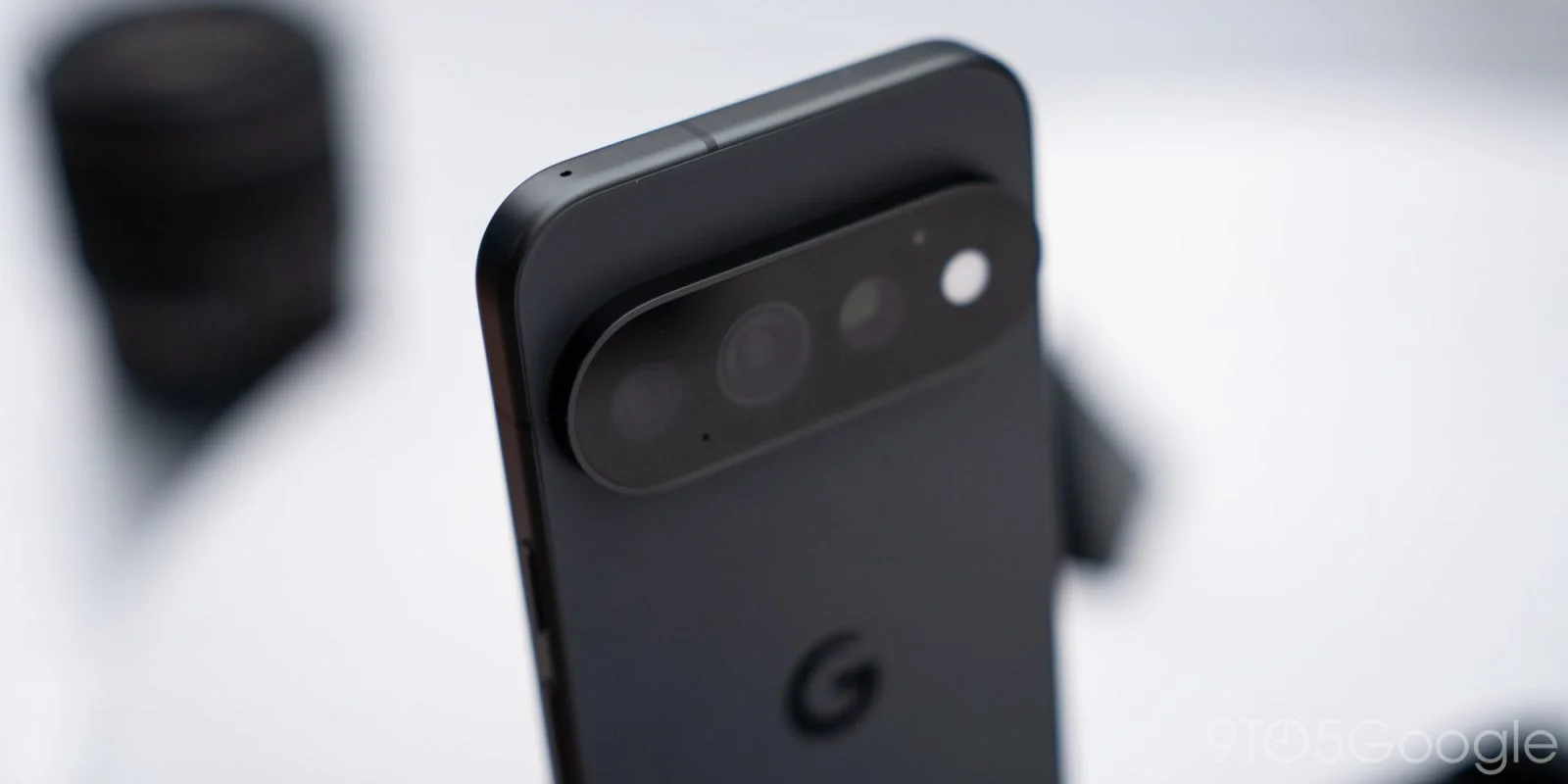
Introduction to the Pixel 11 and NFC Innovation
Google's latest addition to its smartphone lineup, the Pixel 11, showcases a thoughtful redesign that places the NFC antenna at the top of the device. This strategic alteration not only enhances the usability of mobile payments but also streamlines the newly introduced “Tap to Share” feature.
Rethinking NFC Placement
Traditionally, the positioning of the NFC antenna is one of those unnoticed elements until it becomes a source of frustration. Most Android devices position the NFC at the back center, which often leads to awkward angles during mobile transactions. By relocating the NFC antenna to the top, Google has demonstrated an understanding of user behavior. This move mirrors the approach seen in iPhones and reflects a growing trend among manufacturers to prioritize functionality over aesthetic simplicity.
Think about it: how many times have you tilted your phone or fumbled awkwardly while attempting to make a quick payment? That frustration might not have been at the forefront during a phone purchase, but it surely affected the overall user experience. This rearrangement signifies a shift towards a more user-centric design philosophy that emphasizes practicality, which could encourage other manufacturers to rethink their own product designs.
Comparison with Competitors
Google's move mirrors that of competitors like Samsung, whose Galaxy S26 series also integrates an updated NFC system at the top. While Samsung opted for an additional antenna to enhance connectivity, Google simply repositioned its existing hardware—an efficient solution that suggests a practical approach to design improvements. You can argue that this doesn’t just affect user experience; it also reflects a different mindset between tech giants. Samsung frequently focuses on building upon existing features with new hardware, while Google seems more inclined to improve upon what they already have.
This simplicity in Google's design can be an indicator of their approach to innovation. Instead of throwing complex technology at problems, they’ve chosen to make existing capabilities easier for users to access. It's a notion that may not generate headlines, but it speaks volumes about their design priorities. Consumers, in turn, benefit from these thoughtful improvements, often without even realizing the adjustments that lead to a better experience.
With the updated NFC positioning, sharing contacts or transferring large files between nearby Android devices can be accomplished with a mere tap, making interactions more intuitive than ever.
The User Experience Upgrade
This adjustment is particularly beneficial for users who rely on payment apps; the frustration of awkwardly angling their phones during transactions is alleviated by this newfound convenience. If you're working in this space, you recognize how even the smallest details can significantly influence user experience. The implementation of the “Tap to Share” feature means that swapping information can be rapid and effortless, which is a noticeable upgrade for anyone accustomed to the challenges of previous models.
In a world where speed and efficiency are paramount, Google’s positioning shift could become a differentiator in a saturated market. Consumers might find themselves gravitating towards devices that not only perform well but also consider their everyday challenges. Simple improvements like this can elevate a product from good to great; they can create loyal customers or spark word-of-mouth promotion—often more influential than any marketing campaign.
The Pixel 11 Release Timeline
The Pixel 11 series is currently available for pre-order, with shipping commencing on August 20, giving users the chance to experience these enhancements firsthand soon. This rollout strategy is key for Google, as initial responses to design changes often shape future updates. Early adopters will likely provide crucial feedback, which can affect future iterations of the product. Smart companies will pay close attention to the reviews and user experiences to iterate on their devices in subsequent generations.
The Broader Implications of NFC Optimization
So, what does this enhanced NFC functionality mean for the smartphone market at large? For one, it might signal a wave of similar innovations across the board. Other manufacturers could feel the pressure to revisit their designs, thereby raising industry standards. That said, it's a nuanced space; not everyone places the same importance on NFC features, but as contactless payments become more prevalent, you'd expect more brands to experiment with similar upgrades.
Even consumers who are technologically savvy may overlook the significance of NFC positioning. (And this is the part most people overlook.) This minor adjustment may not warrant jaw-dropping headlines, but in practical use, users will reap the benefits. Enhanced transaction speed and ease could increase payment app usage, which in turn might drive more developers to improve those apps to capitalize on the growing base of users. Mobile payment solutions and digital sharing might become a new standard, spurring adoption at varying levels across consumer demographics.
In conclusion, Google's placement of the NFC antenna is an understated yet telling move that symbolizes a shift in mobile device usability. As the Pixel 11’s release approaches, tech enthusiasts and everyday users alike will likely be watching closely. The collective response could reshape not just Google's peer practices but also define user expectations for future smartphones.
- Pixel 11: Google Store | Amazon | Best Buy
- Pixel 11 Pro: Google Store | Amazon | Best Buy
- Pixel 11 Pro XL: Google Store | Amazon | Best Buy
- Pixel 11 Pro Fold: Google Store | Amazon | Best Buy
Discussion
Sign in to join the discussion.