Google's Pixel 11 Pro features a promising HiLight notification system, but its current capabilities feel underwhelming for potential users.
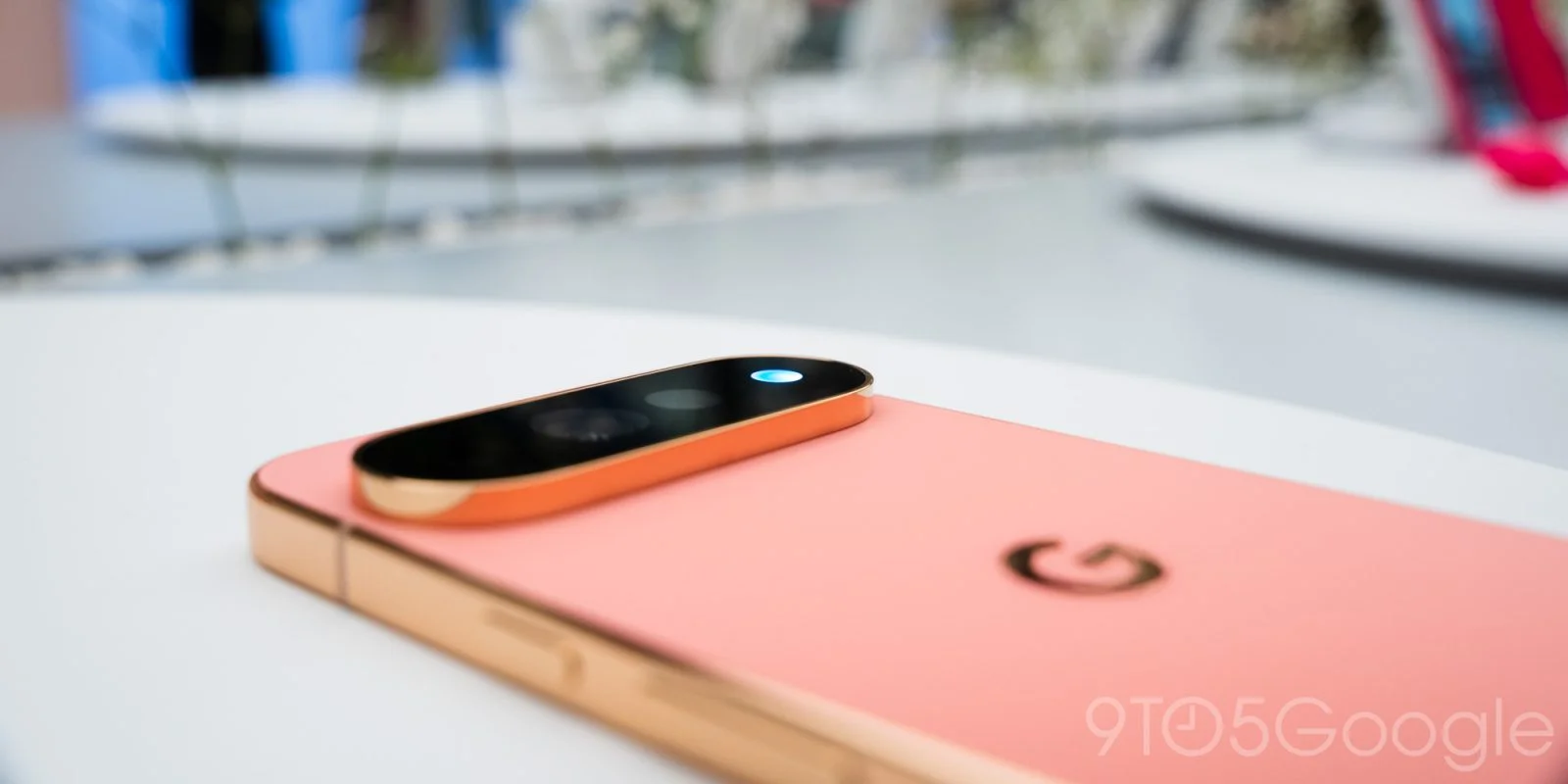
Redefining Notifications with HiLight
The Pixel 11 Pro introduces an intriguing element called HiLight, embedded within its camera LED, designed to serve as a notification light. While the idea has merit, the execution falls short of expectations. Notifications are essential in keeping users connected to their devices, and how these notifications are rendered can significantly influence user experience. As smartphones evolve, these features need to adapt, appealing to user creativity and responsiveness.
Functionality of HiLight
HiLight aims to provide visual indications for phone actions, like incoming calls or interactions with the Google Assistant, Gemini. When a call comes in, the LED lights up in a selected color specific to that contact. This feature introduces a degree of personalization—a nice touch, but it barely scratches the surface of its potential. Instead of simply glowing in a fixed color, imagine if the LED could reflect the bright hues associated with popular apps like Instagram or Reddit, delivering immediate, recognizable alerts. This could enhance usability, especially in noisy environments where visual cues might hold greater importance than auditory notifications.
Missed Opportunities
HiLight's current capabilities leave much to be desired, falling short of what many users might expect from such technology. Users might envision a vibrant light display signaling notifications, akin to Philips Hue lighting setups that change dynamically based on context. Unfortunately, HiLight currently presents notifications in a rather basic fashion. While Google has indicated that upcoming updates will enhance text message alerts through HiLight, details on additional support for other applications remain unconfirmed. This limitation could hinder its adoption among users who anticipated a richer and more customizable notification experience, particularly as competing devices introduce more comprehensive notification systems. What happens when a feature with so much potential is left underutilized? Frustration, likely.
Potential for Improvement
The multicolor LED array could enable more dynamic alerts, indicating distinct colors for calls flagged as spam or results from Call Screening. Such a feature would significantly aid users in discerning the urgency or relevance of incoming calls at a glance. However, HiLight's functionalities are primarily restricted to calls at the moment, which seems rather limiting given the hardware's apparent capabilities. For example, if you’re working in this space where quick responses are critical, waiting for the next update for basic notification differentiation could feel like a letdown. Imagine receiving an urgent email but only seeing a monotonous green light blink in response.
Consumer Feedback and Future Outlook
Early user reactions to HiLight suggest disappointment regarding its constrained initial offerings. Many had hoped for an evolved notification system, drawing parallels with those seen in various smartphone predecessors. As the Pixel 11 Pro series—including the Pixel 11, Pro XL, and Pro Fold—becomes available, the community remains eager for enhancements to HiLight that could unlock its full potential. The enthusiasm surrounding new tech often fades quickly if early adopters feel let down, and this feature is teetering on that edge.
HiLight takes the place of a previously intended temperature sensor, indicating that Google is prioritizing this feature as part of the evolving user experience. Still, without further expansion into diverse notification options, HiLight risks becoming just another unfulfilled promise from tech giants. If Google can tap into the community feedback effectively, we might see significant updates that match initial expectations. (And this is the part most people overlook.) Its launch reflects a vision for a more integrated notification system, but for now, it leaves users hoping for more. The technology suggests that Google has the capability to make waves in this domain; the lingering question is whether they'll take the plunge and make HiLight everything it could be.
Significance and Future Implications
The HiLight feature stands at a crossroads in smartphone functionality. Does it signal a shift towards more interactive, visually-stimulating notification systems, or is it just another gimmick? This is more significant than it looks. Users want their devices to reflect their personal style and responsiveness, especially as wearables and smart home devices inspire a desire for integrated ecosystems. If Google succeeds in expanding HiLight beyond its current limitations, it could set a new standard for notifications. Alternatively, a lack of innovation might push consumers to look at brands willing to invest in more comprehensive solutions.
What this means for you, the user, is a need to stay vigilant about updates and feature rollouts. The Pixel 11 Pro’s HiLight could either become a centerpiece of user engagement or a sidelined promise. The tech industry has a history of introducing flashy features that eventually fade into obscurity; thus, the ability to adapt and expand will be pivotal for HiLight’s future. Without a commitment to evolving the feature, HiLight risks joining the ranks of underwhelming tech innovations that fail to live up to user aspirations.
Discussion
Sign in to join the discussion.