The upcoming Google Pixel Tag introduces unique features and design, positioning itself against established trackers, with a price point of $29.
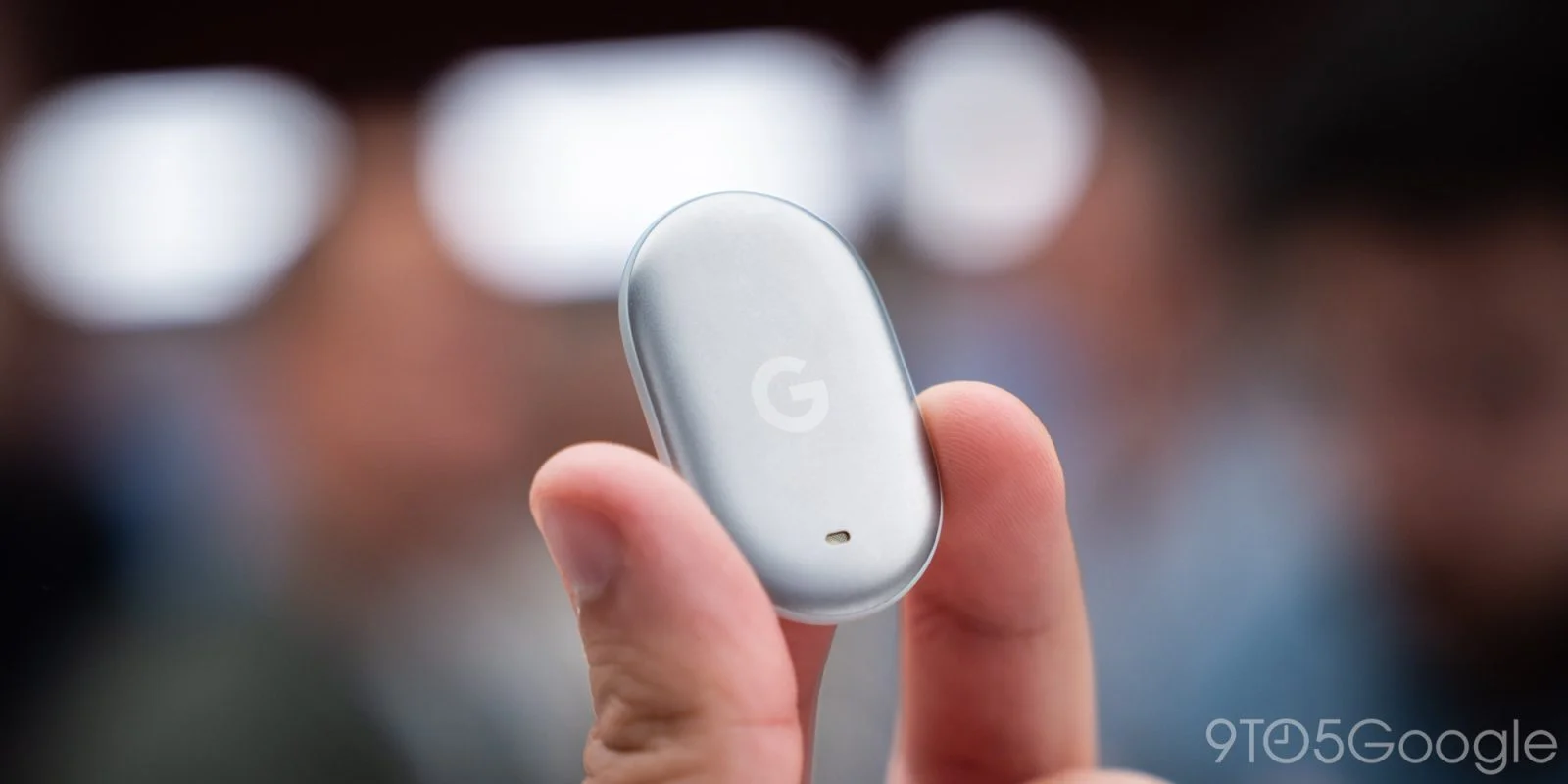
Google is set to release its first in-house tracker, the Pixel Tag, which will be available in November for $29. While this new entry into the item tracking space offers distinct features, it also presents a bold approach that raises questions about its long-term viability amidst competitors like Apple’s AirTag. The timing of this launch is particularly interesting, as many consumers have already made up their minds about which trackers they prefer and why.
Distinctive Features
The Pixel Tag stands out with its Ultra Wideband (UWB) technology, allowing users to connect to Android’s Find Hub network. This setup helps locate lost items effectively by utilizing the proximity of nearby devices. UWB is known for its precise location tracking capabilities, often outperforming Bluetooth in terms of accuracy over short distances. This makes the Pixel Tag appealing for users who need to locate items like keys or bags with pinpoint precision. A significant enhancement is the "Left Behind" functionality, which isn't yet present in other trackers, ensuring users are alerted if they forget an item. However, unlike many competitors that have shifted towards rechargeable options, Google chose to go with a conventional coin-cell battery. This decision could raise eyebrows, especially as consumers increasingly favor sustainable and rechargeable solutions in their tech products.
Late to the Game
It feels somewhat overdue for Google to enter the first-party tracker market, given the increasing popularity of item finders. Companies like Apple and Tile have carved out substantial market share with their well-established products. With UWB capabilities and the unique "Left Behind" feature, the Pixel Tag positions itself as a direct competitor to existing brands like Pebblebee and Chipolo, both of which have been proactive in expanding their offerings within the ecosystem. For Google, this late entry means not only must it differentiate its product but also work hard to capture the attention of a market already saturated with other options. The challenge is steep, and merely having standout features won’t cut it—Google must also deliver a compelling user experience.
Design Considerations
Aesthetically, the Pixel Tag features a thin, oblong shape that is surprisingly compact. Its small profile means it can easily slip into tight compartments, which is a definite plus for users looking for discreet tracking options. However, this small size raises concerns regarding usability—namely, that it will require specific accessories for mounting, similar to the AirTag. Accessory fatigue is a real issue for consumers who don’t want to buy additional items just to get functionality out of a product. The challenge lies in Google needing to collaborate with accessory partners to create a supportive ecosystem, a task that could complicate adoption. If you're working in this space, you know that poor accessory support can mean a product's demise. It's a delicate balancing act to ensure that the tracker doesn't become a standalone headache.
Potential Drawbacks
One downside is that the distinctiveness of the Pixel Tag might render it isolated. As it doesn’t conform to the dimensions of other tracking devices like the Moto Tag, which can fit into AirTag-compatible accessories, finding compatible mounting options for the Pixel Tag could be a hassle. This reliance on external accessories might deter some potential users. Without widespread accessory support, Google may struggle to convince consumers already invested in other ecosystems to switch. This fragmentation can turn into a sticking point, particularly for those who prioritize convenience over brand loyalty.
Looking Ahead
Of course, the Pixel Tag’s character doesn't necessarily equate to failure. It’s clear Google is taking significant steps to differentiate its product in this competitive market, and it takes guts to introduce something new amidst stiff competition. The real question will be how well it can execute this bold vision and whether customers will embrace it as a valuable tool. Key to this success will be marketing efforts and how Google chooses to position this device in their broader ecosystem. Success could hinge on integrations with other Google services, leveraging existing customer relationships.
The Pixel Tag is set to launch at $29 for a single device and $99 for a pack of four, promising to carve out a niche in the crowded tracker marketplace. As we move closer to its release, it’ll be interesting to see how it resonates with users. Will the distinct features be enough to sway existing tracker users? Or will the late entry leave Google struggling to gain traction?
Implications and Future Outlook
The introduction of the Pixel Tag marks an interesting shift for Google, who has largely stayed away from this type of product. If successful, it could lead to a broader expansion into the hardware domain, diversifying the Google product lineup. The implications of failing, however, are significant; a flop could deter Google from future hardware experiments. The competitive landscape is already fierce, and the success of the Pixel Tag could pave the way for more robust, integrated solutions in the future. But until we see real consumer engagement, skepticism will linger.
Discussion
Sign in to join the discussion.