Gboard's Rambler feature on Pixel 11 shifts to prompt-based transcription, allowing users to refine their text and expressions effectively.

The Gboard Rambler is emerging as a signature feature in the Pixel 11 series, distinguishing itself with a prompt-based transcription model rather than the immediate outputs users might expect.
Understanding Gboard Rambler
Gboard Rambler moves away from traditional real-time transcription that most users are accustomed to. Instead, this feature focuses on a more structured and deliberate interaction model that encourages users to articulate their thoughts more clearly before finalizing their text input. This shift could reshape how people approach voice typing, nudging them toward more thoughtful communication.
Activating the Rambler Feature
Users can initiate Rambler by tapping the microphone icon, now adorned with the Gemini spark logo. Once activated, it occupies the suggestion strip in Gboard, presenting a sleek waveform that indicates the transcription process. This interface is not just visually appealing; it’s designed to provide immediate feedback about the recording status, thus reducing any ambiguity users might face while they speak.
Operational Model: Guided Interaction
The unique aspect of Rambler is its operational model; instead of providing a live transcription, users must complete their speech and confirm by tapping a checkmark. This deliberate sequence makes it more of a guided interaction with the Gemini app. This design isn’t just about aesthetics; it’s an approach that could help users better process their thoughts. By pausing before finalizing, users have the opportunity to reflect on what they’ve said, possibly leading to more concise and effective communication.
Enhancing User Experience
This design is aimed at better capturing user intent, filtering out unnecessary filler words, and allowing adjustments to style, text expansion, and emoji integration – features that bolster the user’s messaging experience. In a time where brevity and clarity in communication are paramount, taking away the filler ensures that messages are delivered with intention. For users who communicate in a fast-paced environment, the ability to integrate emojis and refine expressions can enhance both tone and clarity in a conversation.
Editing Transcriptions
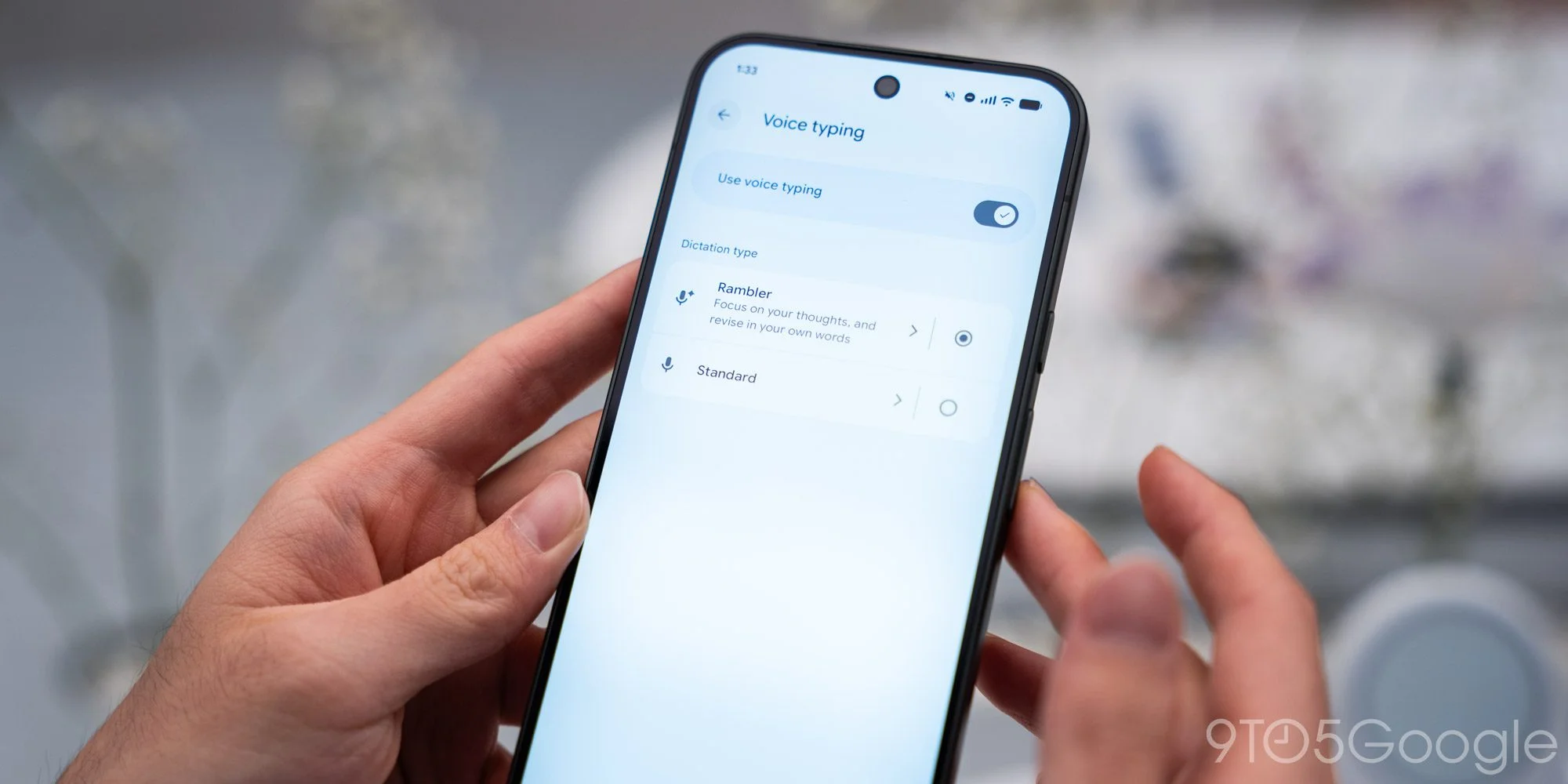
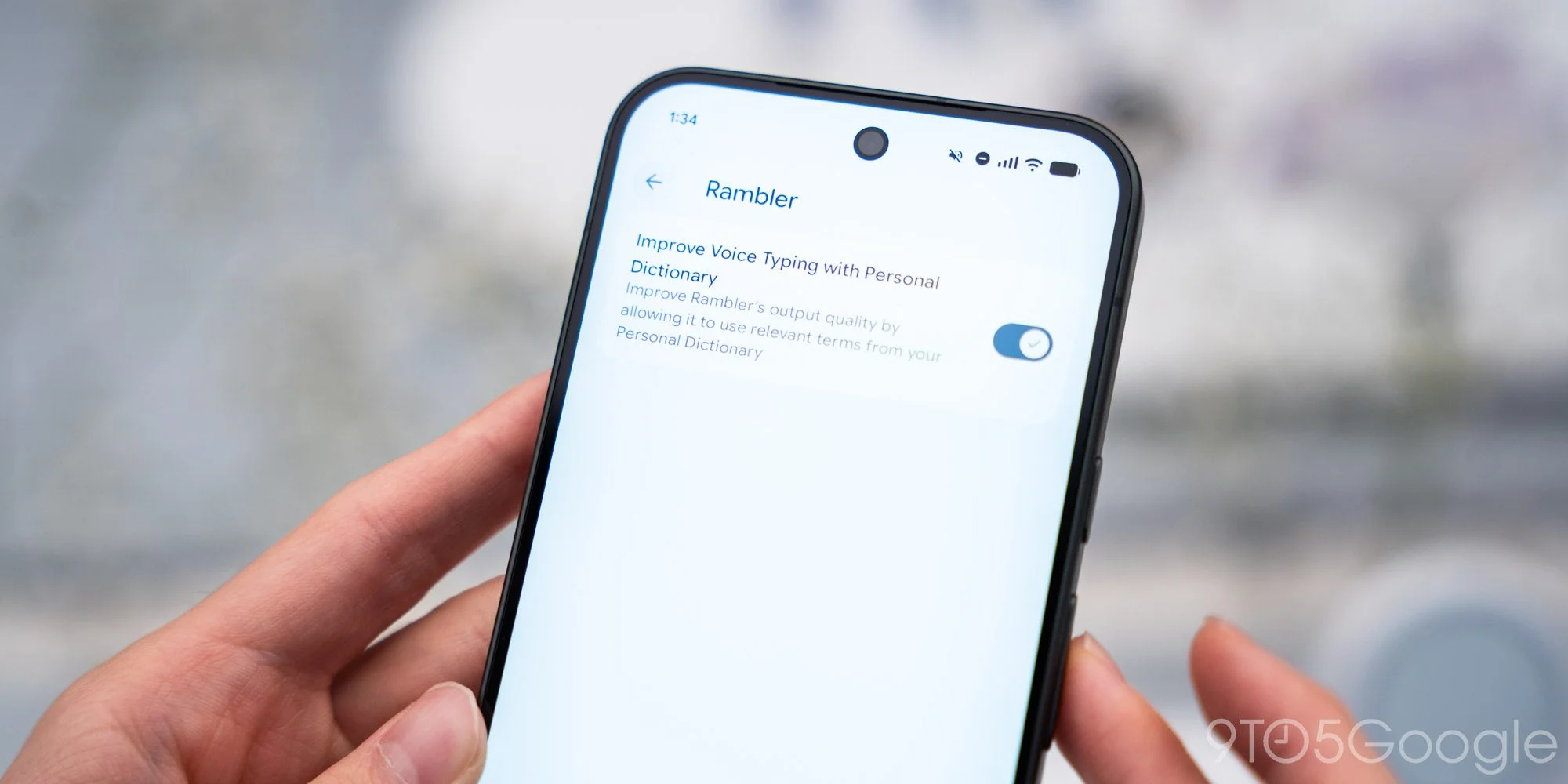
For those who wish to edit or append previous transcriptions, simply tapping the microphone again enables further interaction. Gboard settings even allow enhancing Rambler’s accuracy by selecting terms from the user's Personal Dictionary. This flexibility in editing is essential; it empowers users to refine their inputs without starting from scratch. The inclusion of a Personal Dictionary can also tailor the experience, making it more relevant and precise for individual users.
User Feedback and Adaptation
During early testing, Rambler took some acclimation, but its ability to reframe and articulate ideas holds substantial potential. There’s a learning curve involved, which could dissuade some users at first. However, the ultimate benefit is that it encourages a more reflective approach to communication. Google still provides access to its previous speech-to-text system, dubbed “Standard,” yet Rambler encourages users to refine their thoughts in a more personalized manner. This is more significant than it looks; it could drive users toward better articulation and communication in their digital lives.
Visual Engagement through Design
Implications for Future Communication
The advent of Gboard Rambler signals a shift toward more mindful digital communication. If you're working in this space, you might find that technologies promoting more thoughtful interactions can change user behavior fundamentally. Voice typing is already popular among a variety of users, from professionals to casual texters, and by delaying the transcription to reinforce clarity and intention, this could lead to higher-quality exchanges. The implications here extend beyond mere convenience — they touch on how we engage with our devices and each other. Over time, features like Rambler may push the boundaries of how messaging platforms evolve and respond to user needs, leading to a more reflective communication culture. And the reception of such features could indicate what users prioritize: speed versus clarity, efficiency versus depth.
Discussion
Sign in to join the discussion.