Google's Pixel 11 series introduces subtle design improvements and new features, enhancing user experience without major headlines. Discover the updates!
What You Need to Know About the Pixel 11 Series
Google's Pixel 11 devices may not be the headline grabbers of the year, but they hold a variety of intriguing updates that deserve your attention. This latest iteration in Google's smartphone lineup might not bring the flashiest features, yet it includes a series of thoughtful design enhancements and functional improvements aimed at enhancing user experience. Here are some critical takeaways that might not be on your radar.
Refined Design and Camera Innovations
First off, the
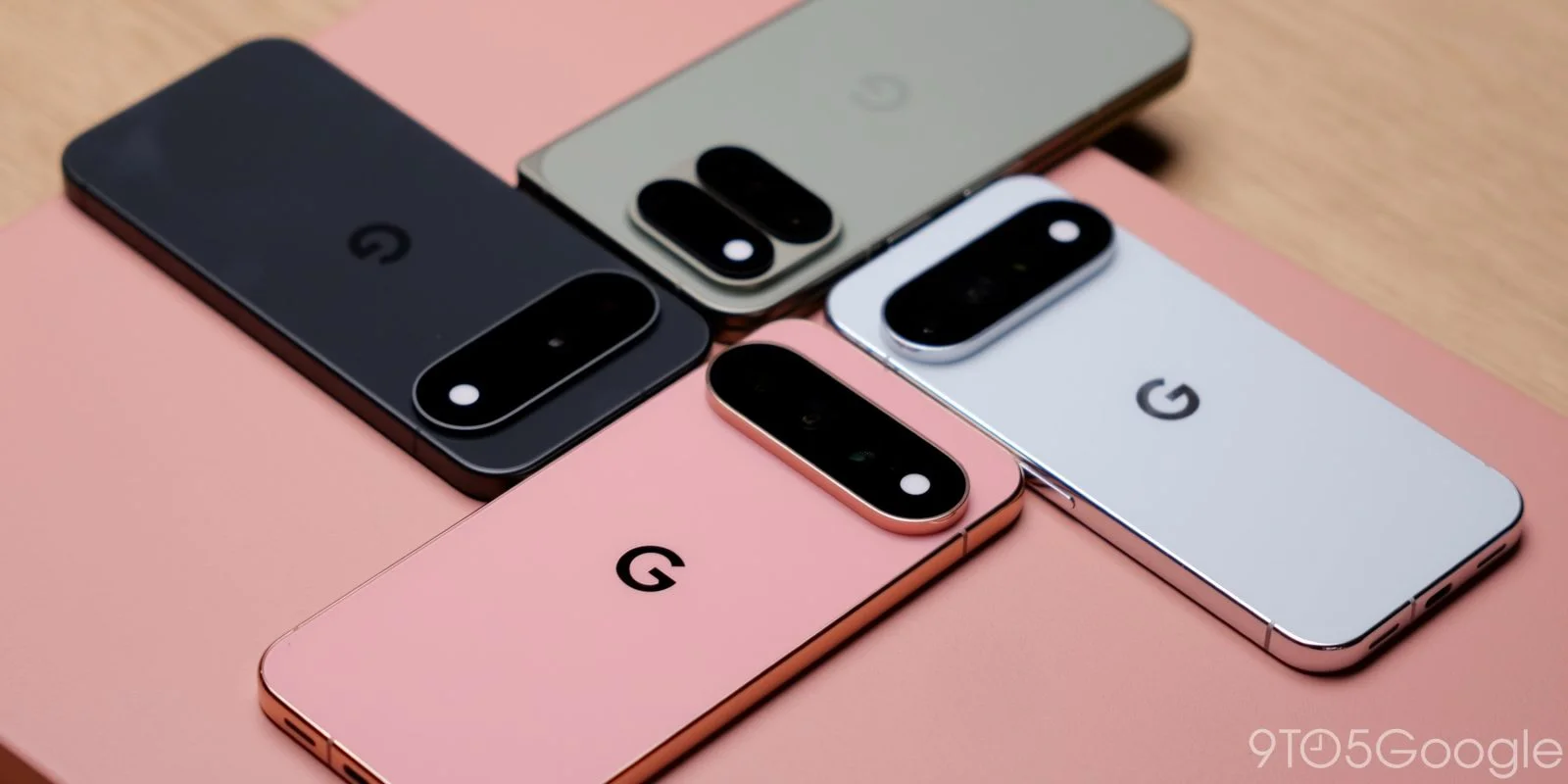
Pixel 11’s new thinner camera design makes a noticeable impact. Google has made this device slimmer, aligning its profile with the thickness of many standard phone cases. The result is a sleeker, flatter device that’s not just visually appealing but also easier to handle in daily use. This could be particularly advantageous for users who often find themselves juggling multiple tasks and devices.
However, if you’re weighing a purchase of the base model, you’ll find that not all models share the same advancements. The
anti-scratch displays are exclusive to the Pro versions, leaving the entry-level phone bare of these essential durability upgrades. This limitation raises a question about who exactly Google is targeting with their lower-tier model. It certainly lessens the appeal for users who want a robust phone but aren't ready or willing to pay a premium for that Pro experience.
Camera enthusiasts might appreciate the addition of the new
Camera Looks feature, which provides image processing adjustments the moment you launch the app. All four models benefit from updated camera sensor hardware, ensuring you can tweak your shots in real-time. This should especially resonate with casual photographers and social media influencers eager to elevate their content quality. Check out the detailed changes
here.
For fans of foldables, the
Pixel 11 Pro Fold comes equipped with a ceramic display and a nearly indestructible composite back. Google claims this innovative construction method allows it to withstand bend tests without cracking. This could redefine expectations for foldable durability, offering consumers more confidence when investing in devices that are still relatively new to the market.
Despite the excitement surrounding the Pro Fold, the newly introduced HiLight feature leaves much to be desired. Currently supporting just two functionalities has fueled speculation on why these limitations exist. Although Google hints at future support for Messages, the absence of broader third-party app integration remains a stumbling block in the feature's initial rollout.
Battery, Connectivity, and Performance Improvements
A notable shift comes in the battery department: every Pixel 11 Pro now sports a smaller battery compared to the Pixel 10 lineup. Google asserts that the new Tensor G6 chip will either maintain or even enhance battery life. Particularly, the Pixel 11 Pro Fold sees a 5% decline in battery size, which allows for a thinner and lighter design. That’s a worthy trade-off if you ask me, though it raises questions about how effectively the new chip can deliver on its battery promises.
These devices still rely on eSIM technology in the U.S., with the exception of the Fold variant that accommodates physical SIM cards. For those who prefer the reliability of a physical card or frequent international travelers who might want to swap cards easily, this could be a sticking point, creating a potential barrier to broader adoption.
Another innovation worth mentioning is the redesigned hinge on the Pixel 11 Pro Fold, which aims to minimize the display crease. However, this is still a long shot from the refinement seen in Samsung’s Galaxy Z Fold 8. So temper your expectations on that front.
What’s particularly striking is the introduction of new emoji designs that come with the Pixel 11 series. There’s also the addition of features like
App Handles, which enhance functionality on foldable devices. That change was sorely needed, especially considering that the Pixel 10 series fell short in this regard.
Finally, the new
Extreme Charging Mode promises faster charging by allowing the phones to operate at higher temperatures while limiting background activity. Good news for fast-charging fans: all models support Qi2 25W wireless charging this year. This becomes significant in a market where quick turnaround for battery life is often sought after by users on the go.
In terms of performance, although the new Tensor G6 may not transition to a more advanced 2nm fabrication, it does bring marked improvements in processing power and image quality. Importantly, the inclusion of a non-Samsung modem represents a first for Google. This enhances the device’s overall appeal, a necessary upgrade given the competitive environment. If you’ve been eyeing a Pixel, the subtle yet meaningful changes in the Pixel 11 series could make it a compelling choice.
Implications and Future Outlook
So what does all this mean for you? If you're working in this space, it appears that the tech industry is cautiously optimistic about Google's ability to hold its own in an increasingly fierce market. This latest phone series does reflect a maturation of design language and technology, making strides in areas like camera capabilities and performance optimization. Yet, it falls short in some aspects that longtime users might value, like battery longevity and durability in the base models.
The market for foldable phones is expanding, and while Google is making commendable efforts, it remains to be seen whether these products can compete on a level playing field with established players like Samsung. And the disappointing limitations of features such as HiLight could indicate a company still finding its footing in some areas.
In a marketplace characterized by continual technological advancements, the Pixel 11 series seems to be a validation of Google’s approach — thoughtful enhancements instead of radical overhauls. But in a landscape where devices quickly become obsolete, will these updates be enough to persuade consumers? Only time will tell.
For more details on buying options and best deals, take a look at
this page.
Discussion
Sign in to join the discussion.