The Pixel 11 Pro Fold emerges as a compelling option in the foldable arena, despite facing stiff competition from established leaders.
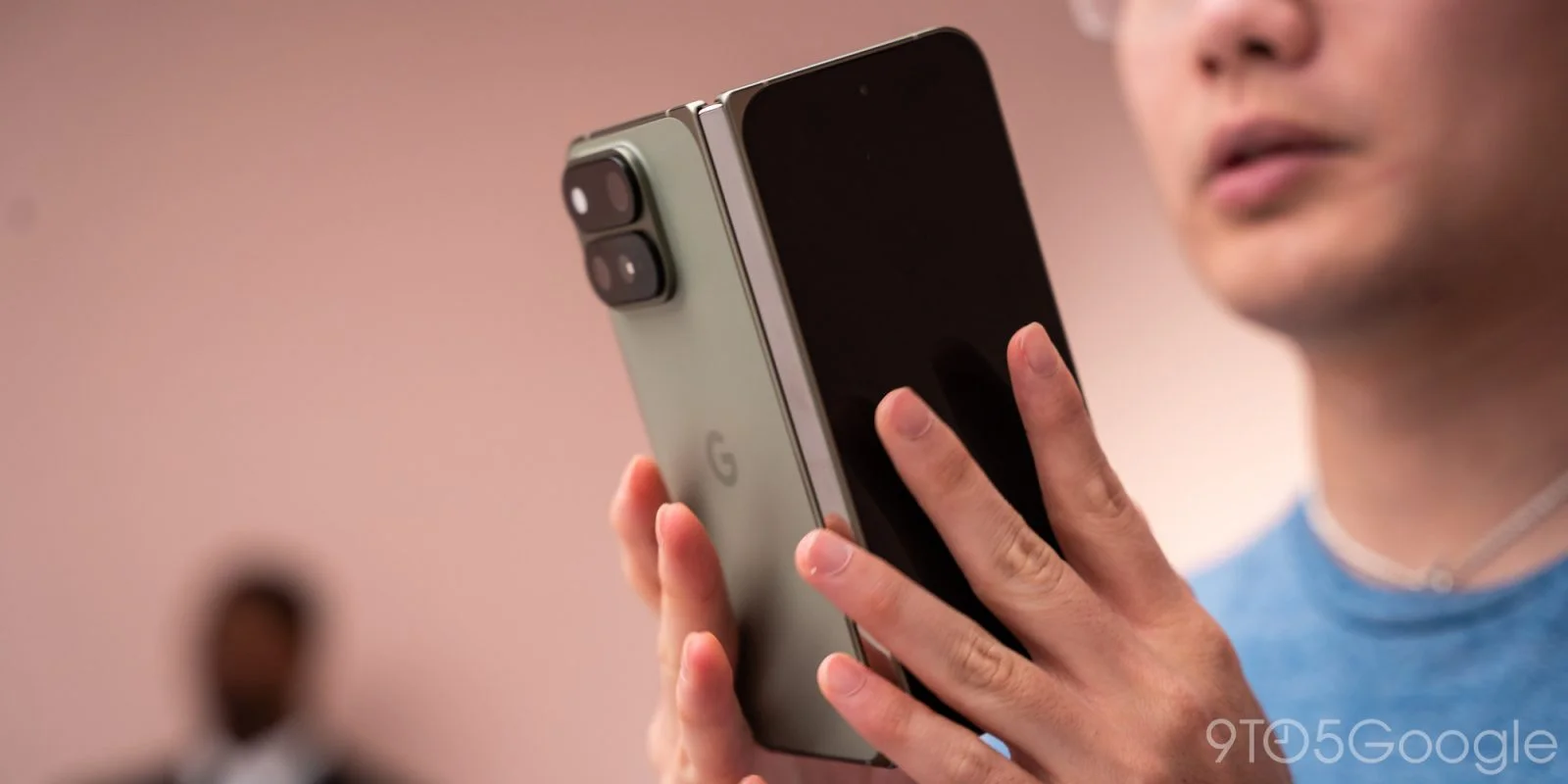
Google has re-entered the foldable market with the Pixel 11 Pro Fold, unveiling a device that makes significant strides since its predecessors. While it may find itself positioned as the fourth-best foldable available, this is an advantageous scenario for consumers seeking quality alternatives.
Building on its previous models, the Pixel 11 Pro Fold represents the third iteration of Google's foldable design, following a rocky debut in 2023. The initial Pixel Fold exceeded expectations but showed signs of wear over time. With the Pixel 11 Pro Fold, Google appears to be capitalizing on lessons learned, stepping into a market that now offers diverse and superior options.
Meeting Tough Competition
As the foldable scene expands, Google’s latest device faces stiff competition. Samsung’s Galaxy Z Fold 8 series boasts impressive specifications, while Motorola’s Razr Fold stands out with its own compelling features. In this context, the Pixel 11 Pro Fold enters a battleground conditioned by consumer demand and elevated expectations. The landscape of the foldable market is becoming increasingly crowded, and as these manufacturers have developed their products, consumers’ expectations have also risen significantly.
For Google, this means that simply re-entering the fray won't suffice. You'll need to come correct, as they say. The Pixel 11 Pro Fold’s performance must not just meet user expectations but also surpass the benchmarks set by its competitors. In an era where consumers prioritize durability, versatility, and feature sets, anything less could see it quickly overshadowed.
Subtle Improvements
The Pixel 11 Pro Fold incorporates several year-over-year enhancements, notably the new Tensor G6 chip and a fresh range of colors. Although the external design closely mirrors previous iterations, there are key upgrades under the hood. This device now measures 10.1mm when folded—considerably slimmer than many of its predecessors, but still thicker than Samsung and some others. This thickness matches that of the Razr Fold, making it a fitting competitor.
The weight distribution is also noteworthy. The Pixel 11 Pro Fold feels reassuringly lightweight in hand, a key factor in user adoption as foldable devices often struggle with maintaining user comfort. While the Razr's design appears slimmer and may have an edge in terms of tactile feel, Google's focus on software quality and durability makes it a tempting choice. Tech enthusiasts are likely to appreciate the advanced features and performance capabilities embedded in this foldable, which set it apart from its earlier versions.
One aspect that can’t be ignored? Google's software prowess. Many users remain loyal to the Pixel lineup not just for the hardware, but for the rich software experience integrated throughout. This combination plays a pivotal role in shaping overall user satisfaction.
A Comparative Assessment
The essential contrast with Samsung’s latest models highlights where Google still has ground to cover. Comparing the Pixel 11 Pro Fold with the Galaxy Z Fold 7 shows noticeable advances; Google’s offering no longer feels generations behind. The difference in thickness, while small, contributes to an overall enhanced user experience that narrows the perceived gap.
However, it’s apparent that although the Pixel lacks the premium feel and some features of Samsung's offerings, its solid software ecosystem and focus on user experience are significant selling points. Battery performance remains a key area where Samsung’s devices outperform the Pixel, but that doesn’t overshadow the potential benefits of choosing Google's hardware. The software advantages may ultimately prove more significant than any edge in raw performance that its competitors boast.
Positioning in the Market
Despite its limitations, the Pixel 11 Pro Fold still holds its ground as a viable option in the U.S. market, even if it ranks behind competitors. This isn't a case of just being "good enough." The current offerings have reached a level of maturity that was absent just two years ago, which bodes well for any user seeking a foldable experience. The focus on user-friendly software, coupled with Qi2 charging capabilities and strong durability claims, sends a reassuring message to potential buyers.
At a pre-order price of $1,899, the Pixel 11 Pro Fold presents itself as a competitive choice in an increasingly saturated market. While the experience of owning this device does come with compromises, it stands firm in an evolving market where previously, options were limited and often unsatisfactory. Considering the alternatives, it's reasonably priced and delivers what many would expect from Google.
Looking Ahead
The foldable market is in a captivating phase, and with notable products now established, it’s exciting to consider how Google can further carve out its space. As competitors continue developing their technologies, the market for foldables looks promising. However, Google will need a strong ongoing commitment to R&D to stay relevant. There’s always a risk that complacency could lead to being left behind as competitors push the envelope.
Are the advantages of the Pixel 11 Pro Fold enough to sway your decision in a competitive field? If you’re working in this space, it’s worth paying close attention to not just sales numbers but user feedback. How users respond could reshape strategies for future iterations. The path ahead may be challenging, but the opportunities are certainly intriguing.
Follow updates and insights on tech trends via social media channels.
Discussion
Sign in to join the discussion.