Higher memory costs may push flagship prices past $1,500 and force Android makers to trim specs, changing what buyers can expect at every tier.
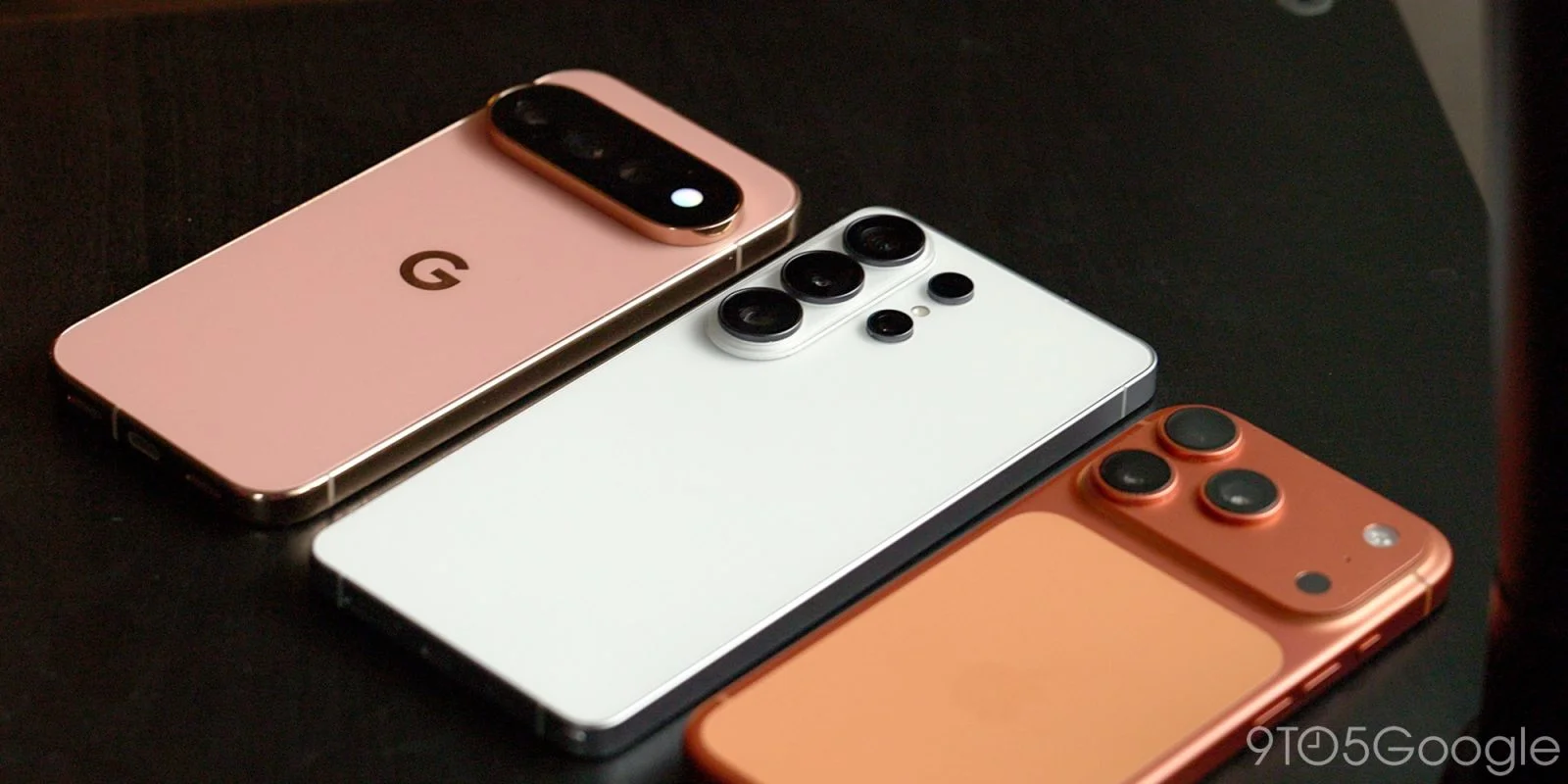
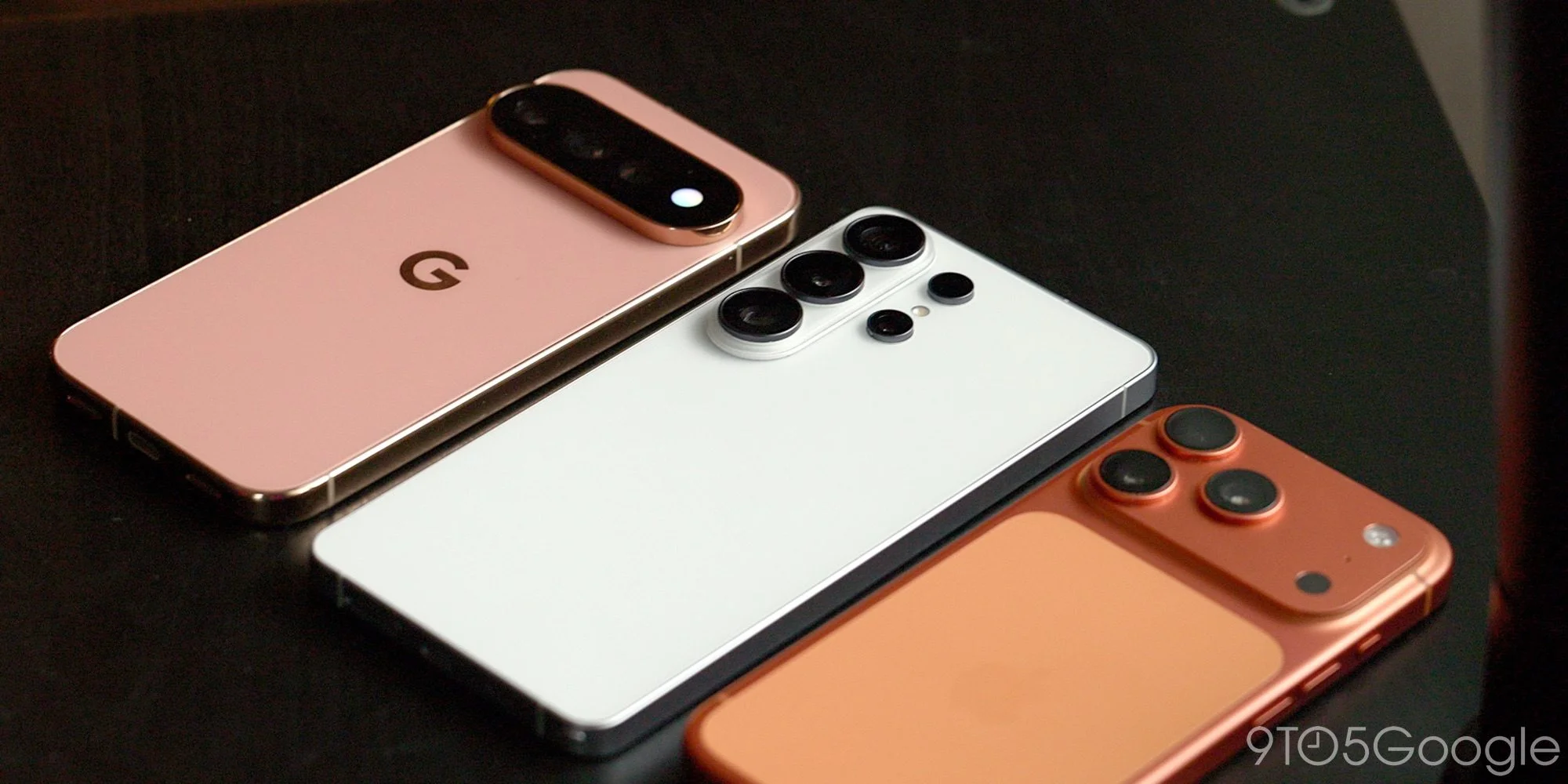
The next Android phone cycle may make the familiar upgrade calculation harder: flagship prices are climbing while the less expensive models that once delivered yesterday’s premium features face pressure of their own. Leaked prices for the Galaxy S27 Ultra point toward a $1,500 starting price, and rising memory costs could leave manufacturers choosing between higher bills and leaner specifications. That combination could change what “midrange” means for buyers and developers alike.
Flagships are approaching a new price threshold
For years, trade-in credits, carrier promotions and discounts made expensive phones easier to justify. Those offers still exist, but they may not keep pace with rising list prices. The Galaxy S27 Ultra is rumored to start at $1,500: $100 above the S26 Ultra’s current MSRP and $200 more than the S26 Ultra cost at launch earlier this year. The S26 Ultra itself has already seen a price increase during its sales cycle.
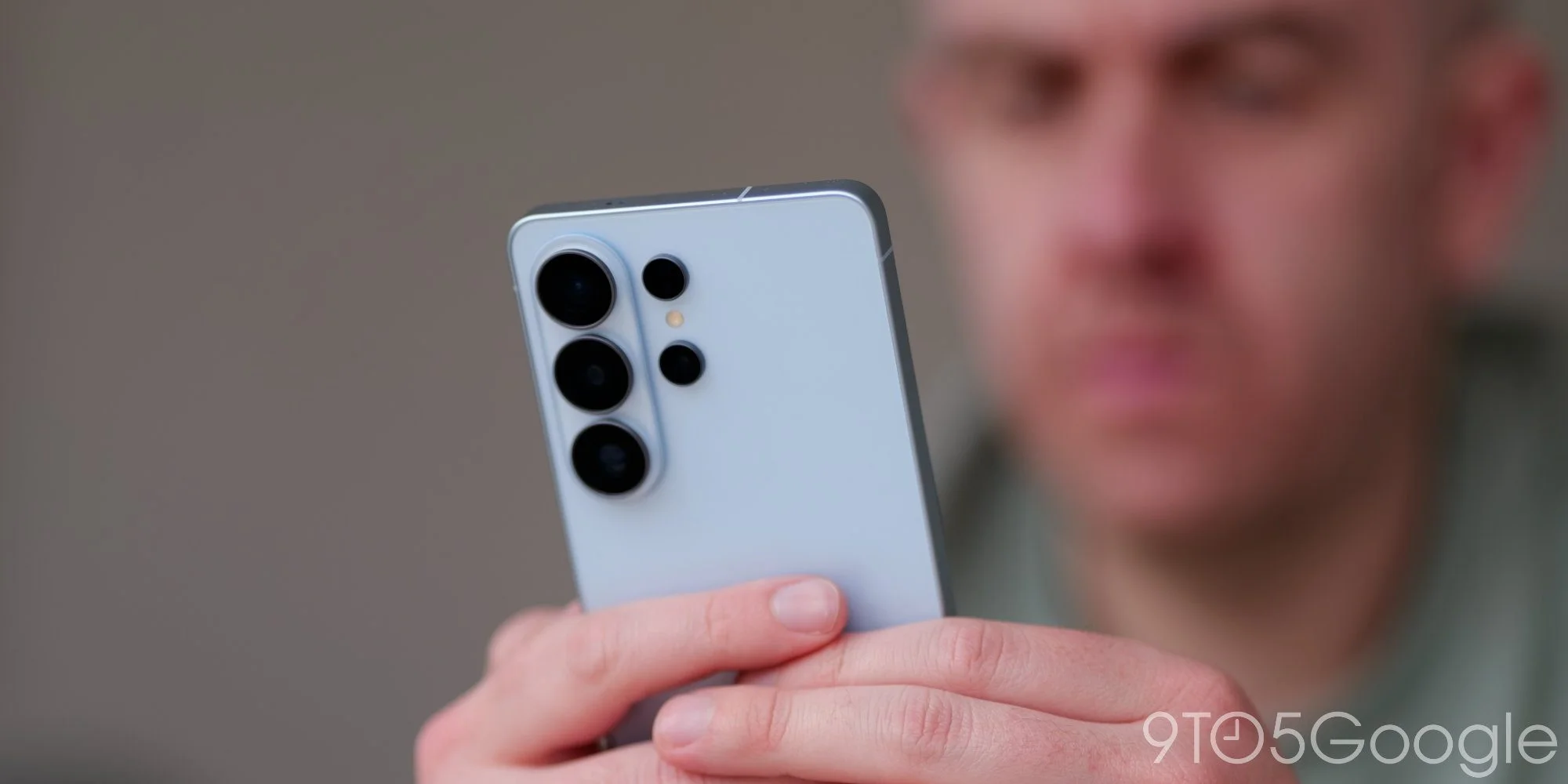
That forecast comes from recent reporting on Galaxy S27 pricing and display details, so it remains a leak, not a confirmed price. Still, the direction is hard to ignore. Motorola’s rumored return to the US flagship market, after an absence since 2023, could also be hampered by reports of a particularly high price. Google’s Pixel 12 pricing is too far away to call, but the rising costs facing phone makers make a low price less certain.
A $1,500 phone competes with more than other phones. It can buy a high-end laptop from companies such as Apple, Dell or HP, a mid-tier treadmill, or a sizable OLED television. The comparison isn’t a claim that those products serve the same purpose; it shows how much opportunity cost a premium handset now carries. For many customers, the decision may come down to whether a new model improves daily use enough to justify spending that much.
The S26’s launch price and current price already illustrate how quickly the numbers can shift. Reports earlier this year covered the phone’s launch pricing, while later coverage detailed its mid-cycle increase. If the S27 arrives at the rumored figure, discounts and trade-ins will matter even more—but they won’t make the underlying trend disappear.
Memory costs could squeeze the affordable tier
Buyers who rule out a premium model may expect the midrange to absorb the demand. That’s not guaranteed. Memory costs can affect phones at every price point, and a cheaper device has less room in its bill of materials to absorb a component increase. Google’s Pixel 10a, which uses the previous generation’s Tensor G4 chip, received a $100 price increase, reaching $600 at full price. Its successor could face a similar choice between a higher price and a reduced feature set.
The Pixel 11 Pro XL remains one current example of a premium phone that some buyers may decide to skip; see the Pixel 11 Pro XL review. But stepping down the product ladder may not bring the same value it once did. The Pixel 10a price increase suggests that budget buyers are already exposed to the same cost pressures, even with an older processor.
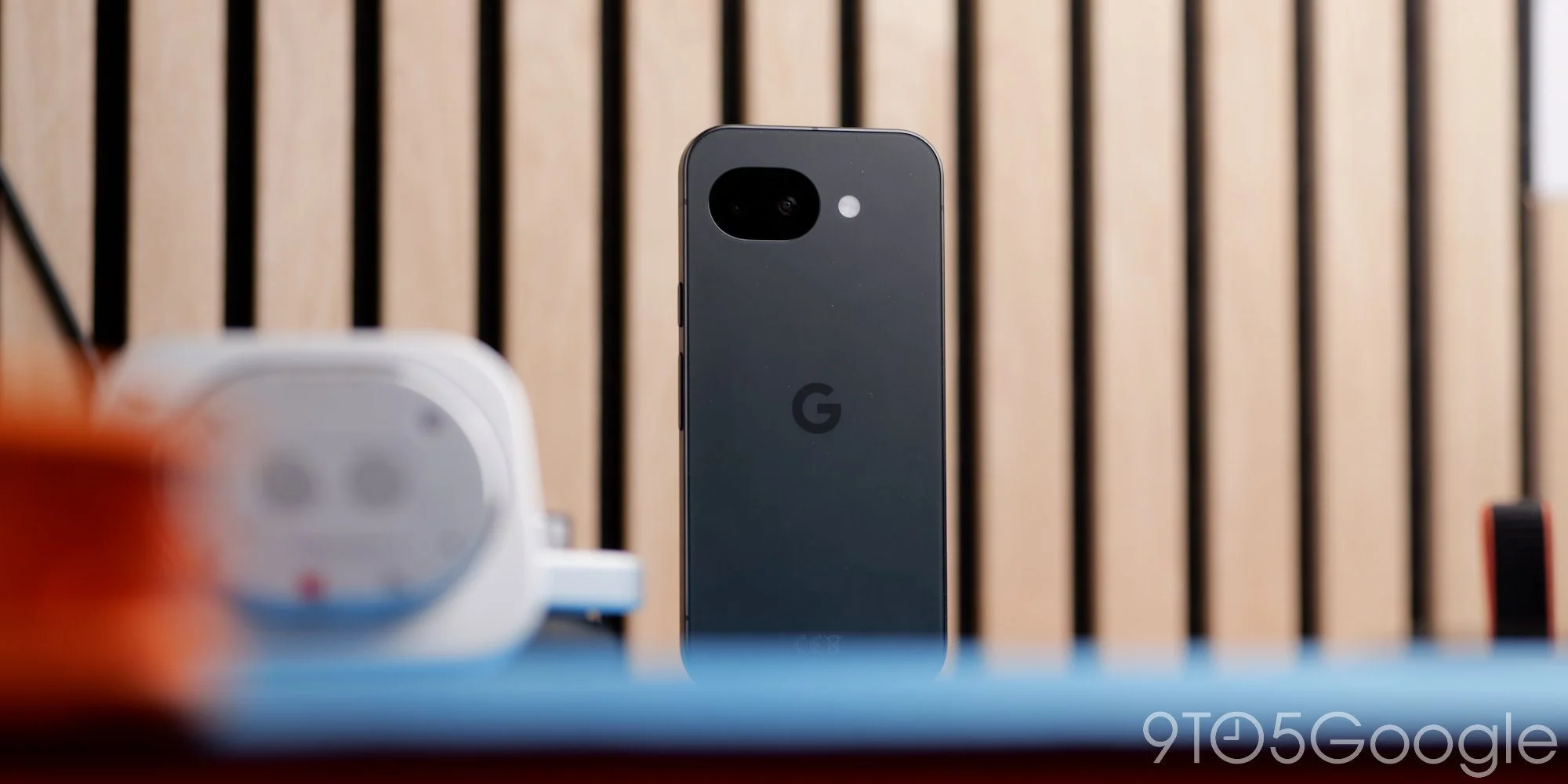
That leaves manufacturers with a difficult product decision: raise prices, reduce hardware, or accept thinner margins. In the past, affordable phones often benefited as premium components became cheaper and production scaled up. That pattern helped Google’s Pixel A-series, Samsung’s Galaxy A-series and some Moto G models deliver features that had once been associated with flagships. If parts stay expensive, the old hand-me-down effect may weaken. Buyers could pay more for a similar specification or keep fewer premium features at the same price.
Less memory could shape phones and software
Early signs of a hardware response are already appearing. Reports say some manufacturers are considering devices with 8GB, 6GB or even 4GB of RAM, depending on the model and market. One report points to possible RAM reductions in Samsung’s lineup. Storage could also move backward: entry-level flagships might return to 128GB, while phones below $600 could again offer 64GB configurations. Those savings could help preserve features such as 120Hz OLED screens, but they would give users less room for apps, media and large files.
The trade-offs aren’t interchangeable. A buyer can decide that a less advanced display is acceptable, but reduced memory affects how many apps a phone can keep ready and what software it can run comfortably. If the squeeze lasts for years—as some expect it might through 2030 or beyond—phone makers and software developers will have to plan around tighter limits instead of assuming every new device brings more headroom.
That could slow software ambitions as well. Local AI models require capable hardware, and demanding Android games need a large enough audience to justify the development effort. Flagships may continue to support advanced features, even if their prices pass $2,000. The concern is that fewer people will own those devices. Developers may be less willing to build for a small premium segment if most customers use phones with less memory and processing capacity.
A reader comment on the original discussion raises another possibility: Android could be tuned to work better on phones with 4GB to 8GB of RAM, while 12GB to 16GB remains a premium option. That’s a plausible direction, though it depends on sustained software work from Google and other developers. It also underscores the upside of constrained hardware: when resources are limited, software teams have a clearer reason to control memory use and improve efficiency.
Keeping a phone longer becomes a practical choice
For buyers whose current devices still meet their needs, delaying an upgrade may be the most straightforward response. It’s less exciting than trying a new camera or processor, but a longer replacement cycle avoids paying a higher price for incremental changes. Buyers who do want a premium device can also compare recent models from 2024 onward, including during seasonal promotions. A recent Pixel sale reached an all-time low ahead of Black Friday, showing that discounts can still create a useful buying window.
The broader lesson for phone makers is that customers won’t judge a device by its launch price alone. They’ll weigh the length of software support, battery life, repairability, storage and performance against how long they can keep their current phone. For developers, a broader base of lower-memory hardware could make efficiency more valuable than adding features that only the most expensive models can run.
The cost squeeze may also push long-delayed software housekeeping to the front of the agenda. Google has previously discussed limits on abundant computing resources; that argument is gaining practical force as device costs rise. Work to reduce app memory demands could benefit users across the price spectrum. The next flagship cycle will test how much buyers will pay for top-tier hardware—and whether software can deliver more with the devices people can still afford.
Discussion
Sign in to join the discussion.