Motorola’s Moto Tag 2 is back at $19.99, pairing UWB precise finding with longer battery life and AirTag accessory compatibility.
Why the Moto Tag 2 stands out
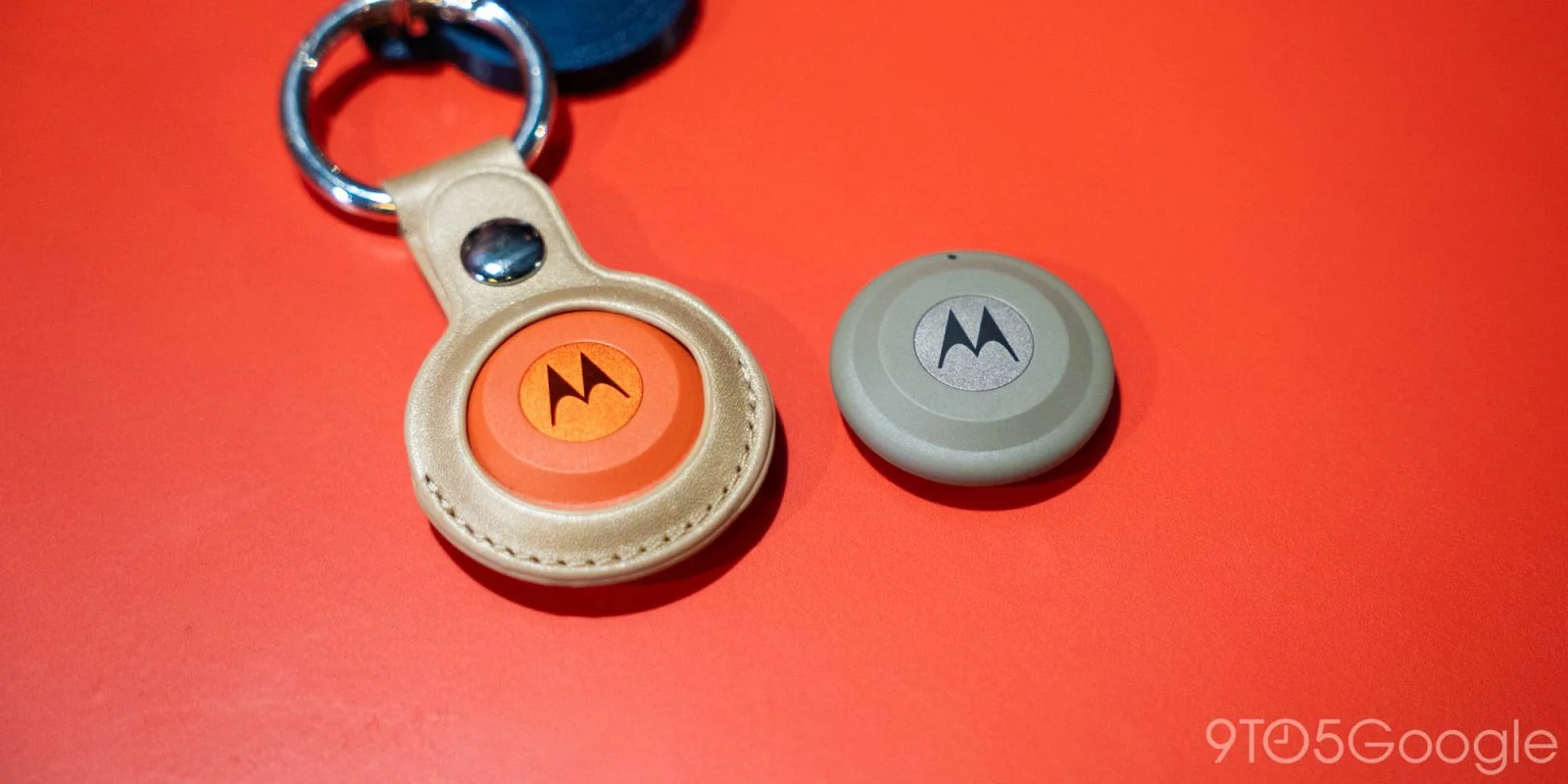
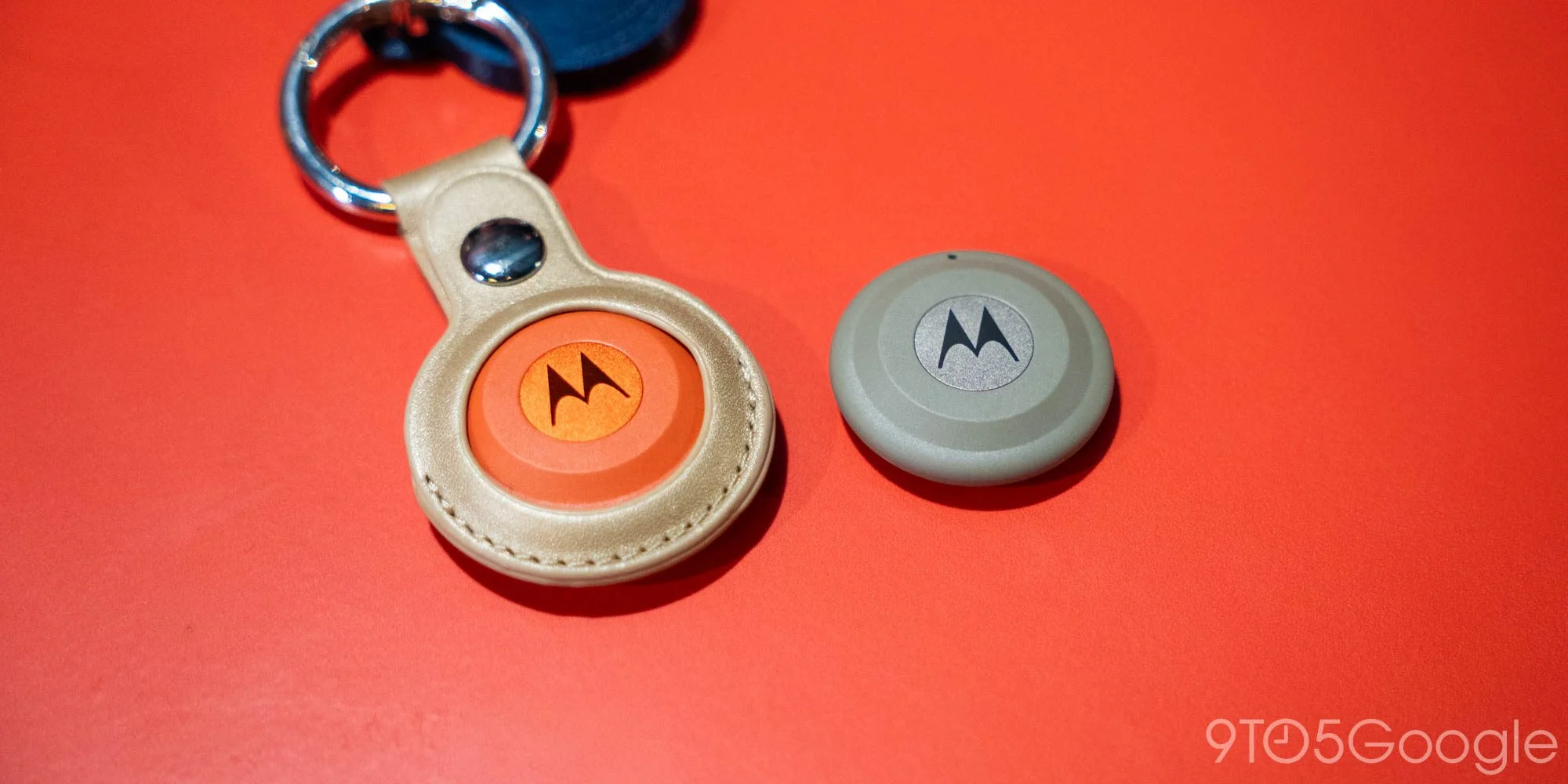
At $19.99, Motorola’s Moto Tag 2 is one of the more compelling Android Find Hub trackers available. Its main distinction is the combination of Bluetooth and UWB precise finding. That pairing gives buyers a way to locate a tag through the broader Find Hub network and, when they’re nearby, use more precise locating capabilities. The Moto Tag 2 also has longer battery life than its predecessor and works with AirTag accessories, which can make it easier to fit into an existing key ring or holder. The price is doing a lot of work here, but the features give it a case beyond being cheap.
The discount had ended earlier this month, pushing the tracker back to its $30 retail price after months around $20. Motorola has now restored the lower price: a single Moto Tag 2 costs $19.99 at Motorola.com and Amazon, while a four-pack costs $69.99. The return of the deal matters because a tracker’s value depends partly on how many items you want to keep tabs on: buying several can quickly change the total cost. Still, a temporary discount isn’t the same as a permanent price cut, so shoppers should treat $19.99 as the current offer rather than assume it’s the standard price.
What the price buys
For Android users choosing a Find Hub tracker, the combination of UWB and Bluetooth makes the Moto Tag 2 unusual among the available options. Bluetooth is the baseline connection in this category; UWB adds precise finding for compatible devices and situations. That distinction can matter when a general location gets you close but doesn’t identify exactly where an item is. It won’t make every search effortless: results depend on the device and circumstances involved, and a tracker still needs to be attached to something you’re likely to misplace. But for people who can use UWB, getting it at roughly $20 is a persuasive package.
This is more significant than it looks. Tracker shopping often turns on small differences in ecosystem support, accessories, and the features a buyer’s phone can actually use. AirTag accessory compatibility gives the Moto Tag 2 some flexibility in how it’s carried, while the longer battery life may mean less frequent attention over time. Those are practical advantages, though neither removes the need to check whether the tracker suits your phone and your day-to-day use. If you’re working in this space, the larger point is that a low price can make a feature set easier to recommend—but it doesn’t make every competing product interchangeable.
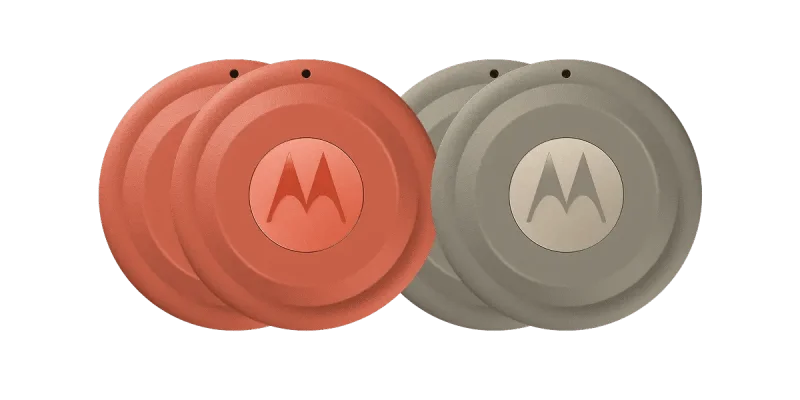
The four-pack costs $69.99, which could make sense for someone who wants to track several belongings. The orange “Arabesque” finish is only available in that pack. That detail may help buyers who care about color, but it’s a limited reason to buy multiple trackers if you only need one. Choose the bundle for the number of items you plan to tag, not just the appeal of a finish that isn’t offered with the single unit.
Where other trackers fit
The Moto Tag 2’s value has limits. Pebblebee and Chipolo offer dual-network finders, giving buyers an alternative when support across two networks is the priority. That’s a different selling point from the Moto Tag 2’s current combination of Find Hub support and UWB. Network coverage and phone compatibility can shape how useful a tracker feels in practice, so the right choice depends on which devices and services matter to you. A cheaper tag can be the better fit for one person and the wrong compromise for another.
Here’s the thing: product comparisons can flatten these distinctions into a simple list of features, even though the feature that matters most is the one you’ll use. If precise nearby finding is high on your list, the Moto Tag 2’s UWB support stands out. If dual-network support is your priority, the alternatives named above deserve a look. And if you already own accessories made for AirTag, Motorola’s compatibility may save you from replacing them. Small conveniences add up. (And this is the part most people overlook.)
What Google’s Pixel Tag could change
Google is preparing its first-party Find Hub tracker, the Pixel Tag, with UWB support. The announced comparison here is straightforward: at $30, it’ll cost more than the discounted Moto Tag 2, and it won’t offer the same AirTag accessory compatibility. That gives Motorola a practical advantage for buyers deciding what to purchase now, although the available details don’t establish how the Pixel Tag will compare in every other respect. Price and accessory fit are useful points of comparison, not a complete verdict on a product that’s still being prepared.
The Pixel Tag’s arrival could give Android buyers another first-party option, while Motorola’s returning discount makes the decision more immediate for anyone shopping today. A higher listed price doesn’t by itself prove that a tracker is worse value; buyers will weigh features and compatibility alongside cost. For now, the Moto Tag 2’s case is plain: UWB, Bluetooth, longer battery life, and AirTag accessory compatibility at $19.99. A strong offer, with a familiar caveat: the deal may not last.
Discussion
Sign in to join the discussion.