The Pixel 10 Pro XL’s $850 price cuts $450 from its successor, with 256GB of storage and more RAM than the newer base model.
Why last year’s XL still makes sense
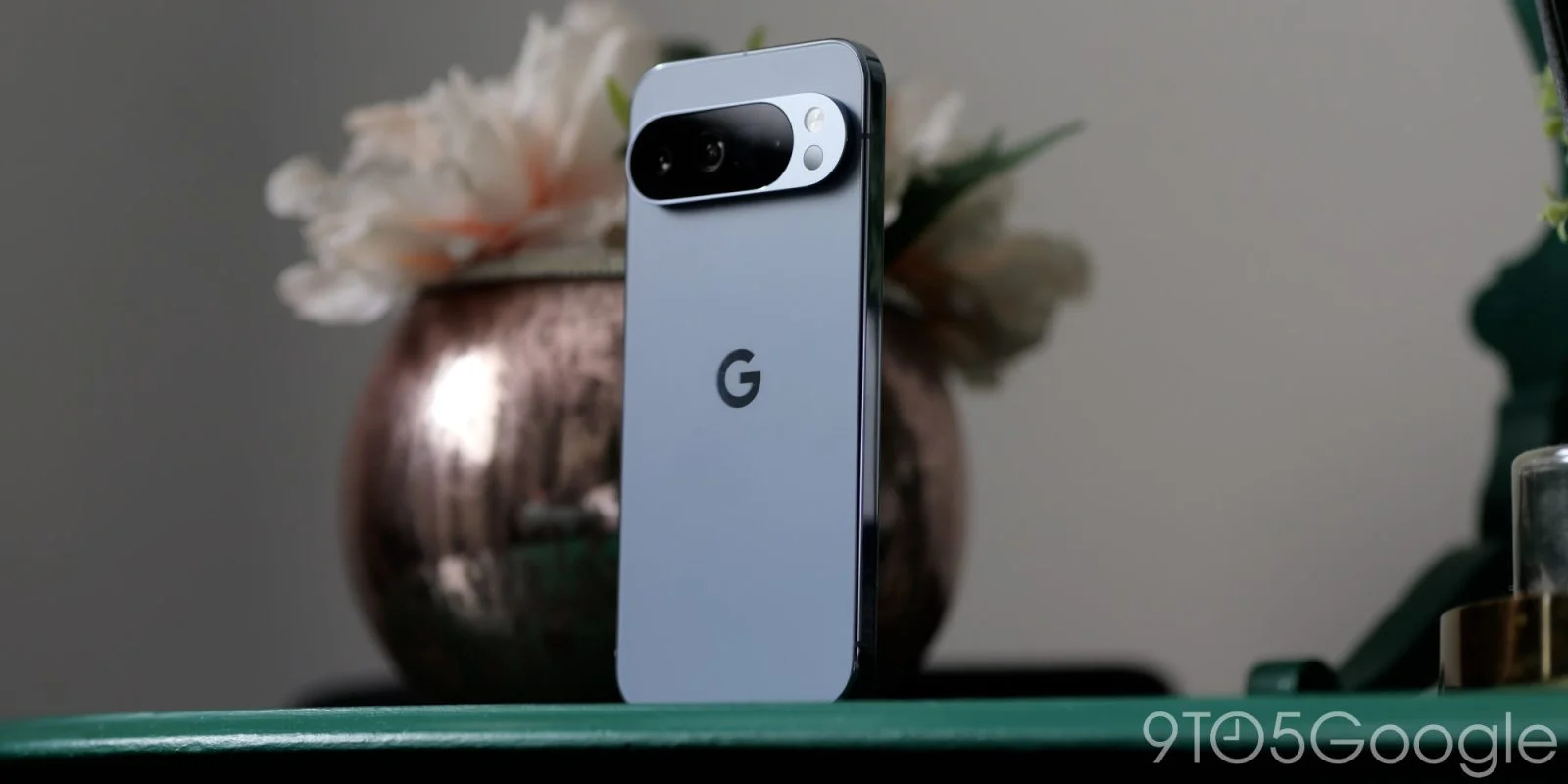
The Pixel 10 Pro XL at $850 makes a strong case for buying last year’s flagship: it saves $450 over the newer model while keeping most of what makes the XL appealing. That’s a substantial gap for a phone generation whose headline changes appear concentrated in specific areas, including its processor, display brightness and telephoto camera. The older XL also comes with 256GB of storage, giving buyers more room for photos, apps and downloads than the 128GB entry option in Google’s current lineup.
Memory is another part of the calculation. The 256GB Pixel 10 Pro XL has more RAM than this year’s base Pro XL, a difference that could matter as memory costs push phone prices higher. More RAM doesn’t guarantee a phone will feel faster in every situation, and the source gives no performance comparison to settle that question. Still, it’s a useful spec advantage to weigh against the newer model’s processor and camera upgrades.
Buy the Pixel 10 Pro XL for $850 at Amazon
What the discount gives up
The trade-off starts with software support. Google offers seven years of updates, but buying a phone one year into that cycle means one fewer year of support ahead than buying the newer generation. That doesn’t make the older device a poor purchase; it changes the period over which the buyer can expect the same official coverage. For someone who keeps a phone for years, that difference deserves a place in the price comparison.
The hardware is also a generation behind. The Pixel 10 Pro XL uses Tensor G5, while its successor moves to G6, and the older phone has a slightly dimmer display and a smaller telephoto sensor. Those are real differences, though their practical weight depends on how you use a phone: a brighter screen may matter more to someone outdoors often, while the telephoto camera’s sensor size may be a higher priority for people who take frequent zoom shots. A newer chip can be attractive, but the available details don’t establish how much faster the successor feels in everyday use.
Some newer features are missing, too. HiLight remains exclusive to the newer generation, as do software additions including Camera Looks and, for now, AI tools such as Rambler. If you want Google’s latest camera and voice features on day one, those omissions may be enough to justify paying more. Here’s the thing: a feature list can make a generation gap look larger than it feels in ordinary use, especially when you don’t rely on every addition.
That said, they’re a steep ask at a $450 premium. A Camera Looks backport remains possible, and developers have already brought Rambler-like capabilities to third-party tools. That doesn’t mean those alternatives are identical or that a backport is guaranteed; it means buyers should distinguish between features they need now and features they might be able to get another way. The price gap is concrete. The value of each missing feature is personal.
A value play in a tight market
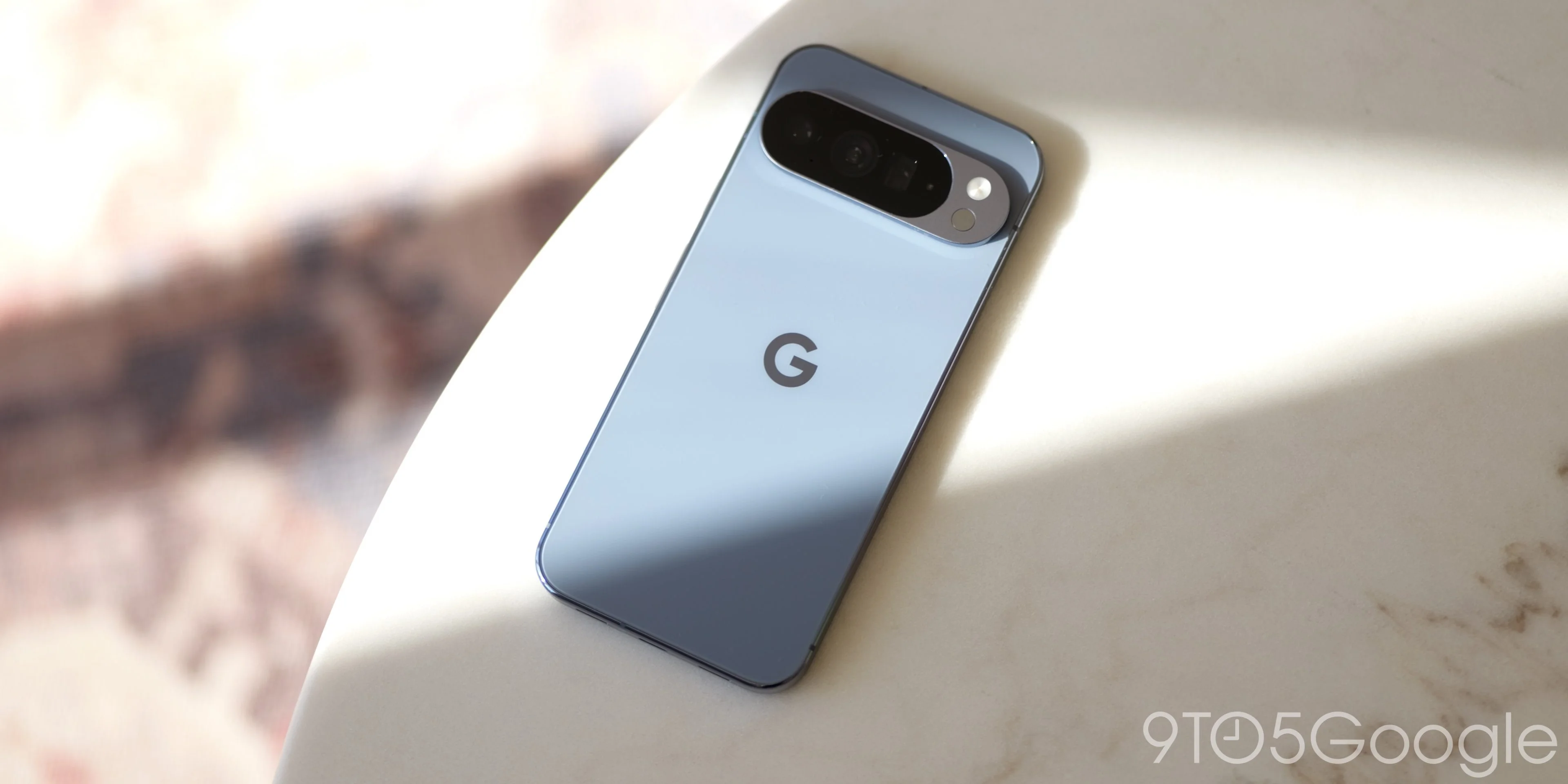
The newer phone does offer a larger telephoto sensor, a brighter display and Tensor G6. The older XL counters with practical hardware of its own, including a temperature sensor and brighter flash. These details won’t carry equal weight for every buyer: someone who rarely uses the flash may prefer the improved display, while a temperature sensor may be a feature they’ll never touch. But they help explain why the older phone still has a distinct appeal beyond simply costing less.
For buyers focused on storage, memory and screen size, the $850 model is a particularly persuasive alternative. That combination is more significant than it looks. Phone comparisons often fixate on the newest processor or camera, while the everyday experience also depends on whether the storage is sufficient and whether the display size suits the way someone uses a device. A large screen and 256GB of storage can be more useful over time than a feature that sounds impressive but rarely gets used.
There’s a useful price comparison in Google’s own lineup: the 256GB Pixel 10 Pro has sold out at $700, while the 128GB version remains available for $750. Against those options, the XL’s extra screen space and storage at $850 look like a well-timed combination—especially for anyone trying to keep a new phone purchase below four figures. The comparison isn’t perfectly like for like, since the Pro and Pro XL differ in size, and the 256GB Pro’s sold-out status limits its usefulness as an option right now.
Even so, the available prices frame the decision clearly. The 128GB Pro costs $100 less than the discounted XL, but offers less storage and a smaller screen; the 256GB Pro would have offered more storage for less, but it’s sold out. So the XL’s case rests on a particular mix of size, capacity and price. If you’re working out which trade-offs matter, start with the features you’ll notice every week, then ask whether the newer phone’s upgrades are worth $450 to you.
What the choice says about phone upgrades
Discounts on last year’s flagship can make the generation cycle look less straightforward than product launches suggest. A successor may improve several components without making its predecessor obsolete, and a sizable price reduction can change which improvements seem worth paying for. The Pixel 10 Pro XL deal puts that tension in plain view: the newer model has the better display, processor and telephoto sensor, while the discounted phone offers a larger storage configuration and useful hardware of its own.
And yet, the long-term support difference keeps the decision from being purely about specs and price. Buyers who replace phones often may place less weight on one fewer year of updates; those who hold on to a device longer may care more. There’s no universal answer here. The $850 XL looks like a sensible buy for someone who values its screen and storage, accepts the older camera and processor, and doesn’t need the newest software features immediately. A buyer who prizes those upgrades should compare them against the premium with clear eyes.
One thing is easy to miss: a discount only matters if the cheaper phone fits the buyer’s actual needs. A deal can be compelling on paper and still be the wrong match for someone who wants the longest update window or depends on the newer camera and voice tools. The older XL has a credible case, not a blanket recommendation. That’s the useful distinction.
Buy the Pixel 10 Pro XL for $850 at Amazon


FTC: We use income earning auto affiliate links. More.
Discussion
Sign in to join the discussion.