A rumored DC dimming option on the Galaxy S27 could address a display issue that keeps some users from using Samsung phones.
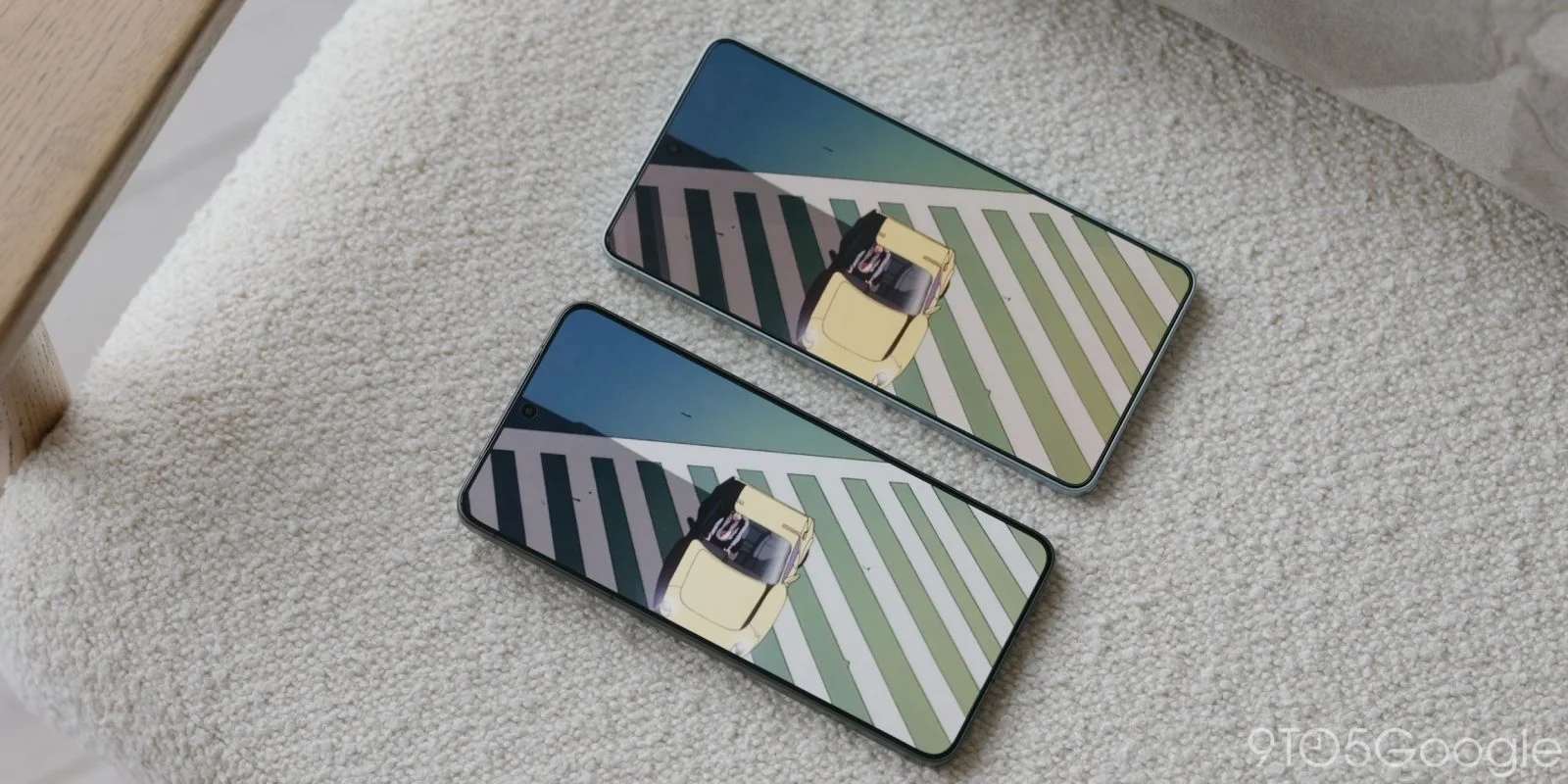
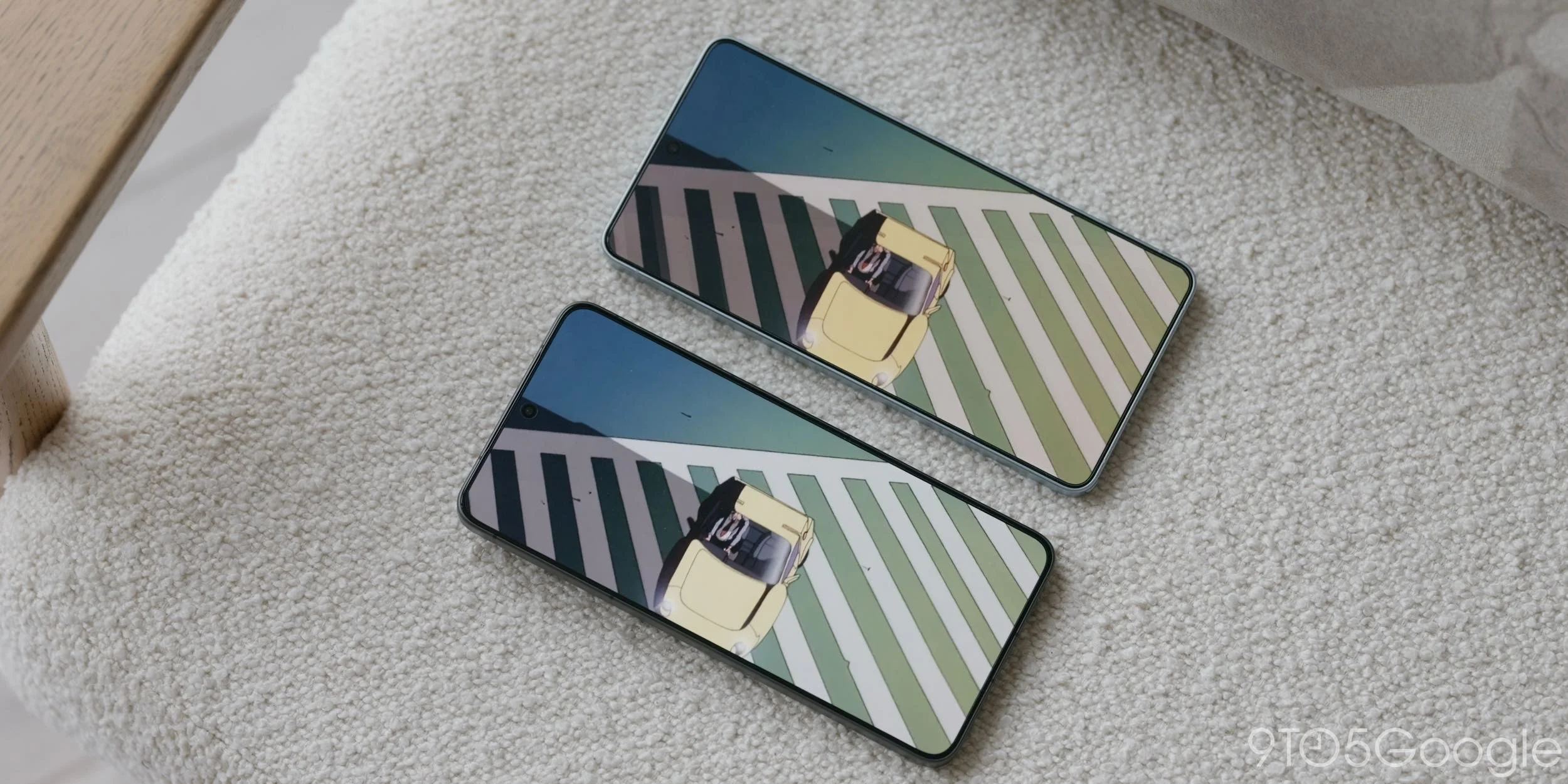
A rumored DC dimming option for Samsung’s Galaxy S27 could address a practical problem for people who experience discomfort with the company’s OLED screens. Samsung has favored pulse-width modulation (PWM), which controls brightness by switching pixels on and off rapidly. Some users say that flicker brings on headaches, eye pain, or nausea, making an otherwise capable phone difficult to use for long periods. For them, display comfort isn’t a minor preference; it can decide whether a device works for everyday use.
That’s been my experience since the Galaxy Z Fold 4. Communities such as r/PWM_Sensitive and LEDStrain.org suggest other users report similar difficulty, though individual sensitivity varies and those forums don’t establish how common the problem is. A report from GSMArena says the Galaxy S27 may offer DC dimming. If that rumor proves accurate, Samsung would give people sensitive to PWM a way to use its phones more comfortably, while adding a display choice that many shoppers may never need.
Why DC dimming matters
PWM adjusts screen brightness by switching pixels on and off rapidly, changing how much light they produce over time. DC dimming takes a different route: it lowers the current supplied to the display. In my experience, phones using DC dimming are more comfortable for long stretches, though that experience won’t predict how every person responds. Another possible option is much higher-frequency PWM; advocacy groups often point to 2,000Hz or above as a level that may be more comfortable for some users. The $1,300 Galaxy S26 Ultra, by comparison, uses 480Hz PWM. That gap helps explain why the rumored change matters, even though a frequency figure alone can’t tell you whether a particular screen will feel comfortable.
Motorola has included DC dimming as an option on its OLED phones for years. Samsung adopting it would give its customers a similar choice within a lineup that has relied on PWM. Here’s the thing: a display setting can be more consequential than another small gain in battery life or image quality if the current screen causes discomfort. A phone’s specifications matter only if people can use it without feeling unwell. For people who don’t notice PWM, the option may sit unused; for those who do, it could change the buying decision entirely.
The tradeoffs Samsung has weighed
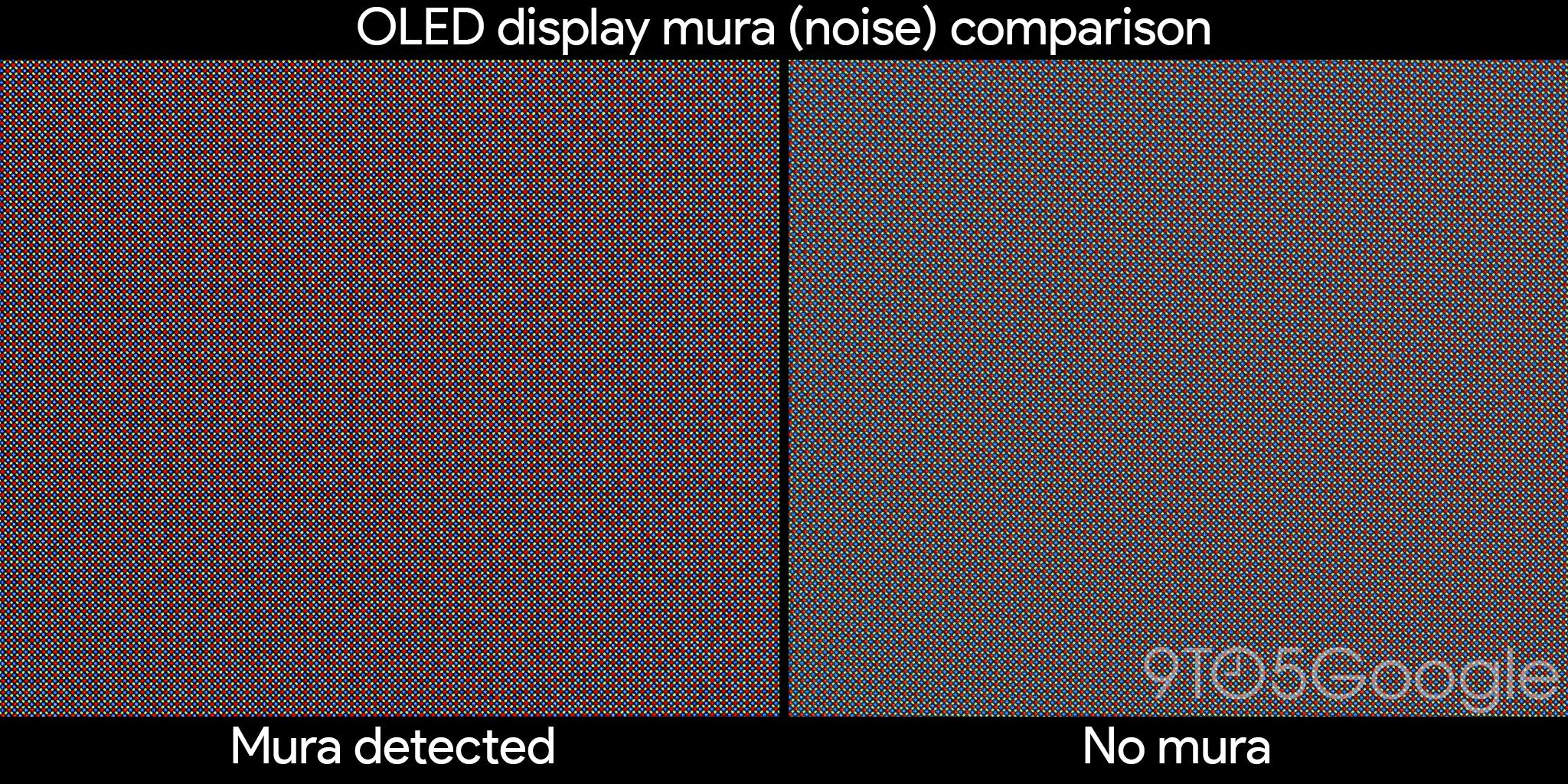
DC dimming can make OLED screens look uneven at low brightness. This effect, called “mura,” happens when pixels don’t dim at the same rate, creating visible noise across the image. The visibility of that unevenness can depend on the display and its brightness, so the tradeoff may not look the same to every viewer. For a manufacturer, though, even an issue that appears only in certain conditions can complicate decisions about adding a setting. The image below shows an example under a microscope.
Power use is another consideration. PWM is sometimes associated with better battery efficiency, though a major impact hasn’t been established. That leaves Samsung weighing a potential cost against a benefit that may be difficult to measure across different users and use patterns. The battery question may carry less weight if Samsung expands its use of silicon-carbon batteries, as a report on future Galaxy phones suggests. But that connection remains conditional: the report doesn’t confirm what batteries the S27 will use, or whether any change would offset power differences from the display.
Manufacturing cost may also factor in. DC dimming traditionally needs additional hardware to regulate voltage, while PWM can often be handled in software. The difference per phone may be small, but production decisions add up across a product line, and Samsung has to consider more than the experience of a single customer. That said, the company would also be responding to a clear use case: some people want its phones but struggle with the screen. A small component cost may look different when it opens the door to customers who otherwise can’t comfortably use the device.
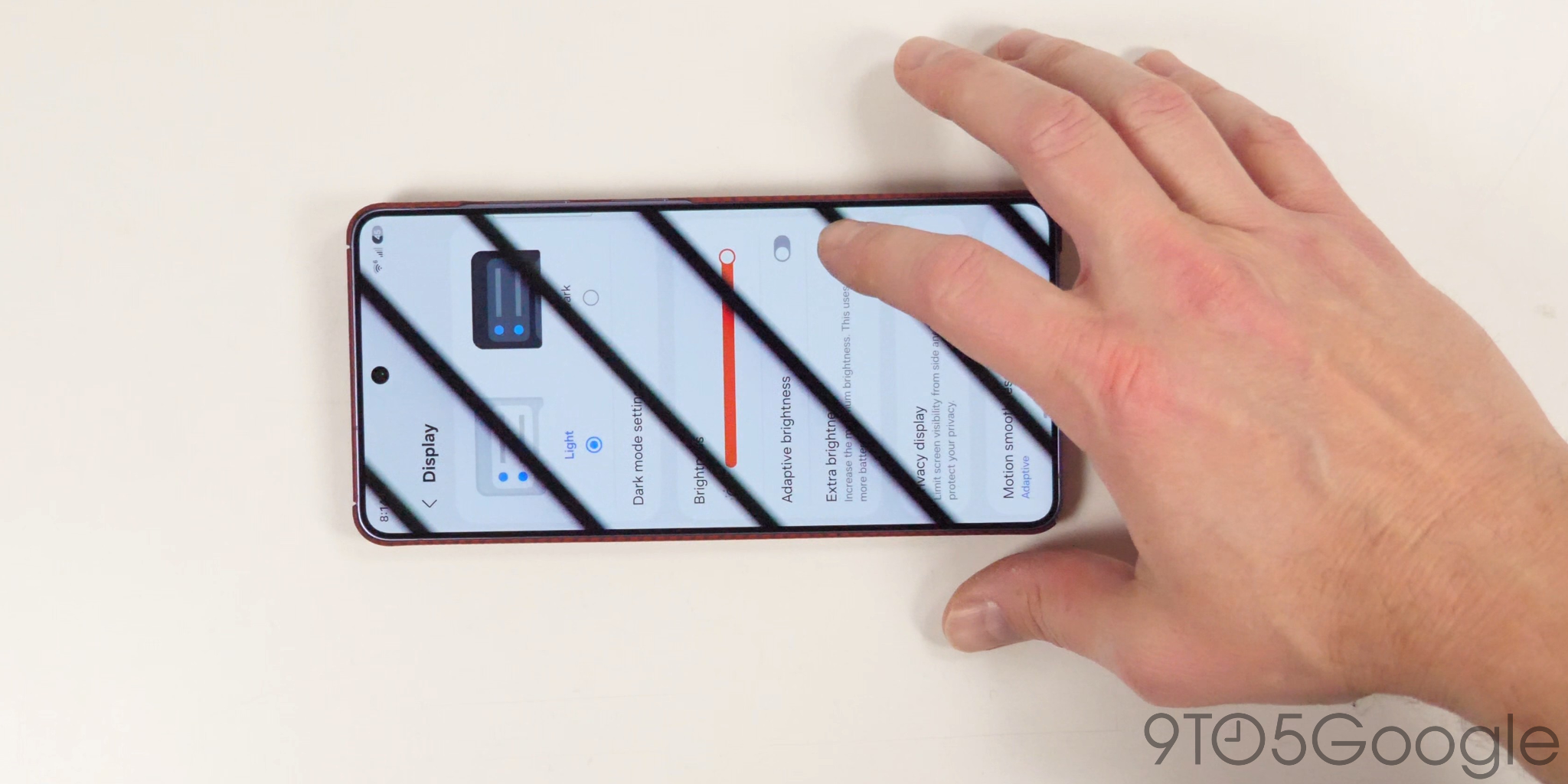
Those tradeoffs don’t help users who can’t comfortably use the screen. Apple and Google have made changes aimed at people sensitive to PWM, but neither has adopted full DC dimming, according to the report. That leaves room for Samsung to distinguish its display controls if the S27 includes the feature. This is more significant than it looks: an additional setting could affect a relatively small group of customers while making a flagship usable for them in a way that a marginal specification upgrade can’t.
What the rumor could mean for buyers
If you’re working in this space, the key question isn’t simply whether the S27 supports DC dimming. Buyers will want to know how the option behaves at low brightness, whether it can be switched on easily, and whether using it creates visible display artifacts. The rumor doesn’t answer those questions, and Samsung hasn’t confirmed the S27’s display details. An option on a spec sheet is only the start; its value depends on how well it works in ordinary use.
And this is the part most people overlook: one display choice can matter more than a headline feature when it addresses a physical barrier to using a phone. The numbers here are underwhelming if you’re expecting a broad performance upgrade, but that’s not the point. For people affected by PWM, a practical comfort setting could carry more weight than changes they might barely notice. A tradeoff like mura may be acceptable to some users if it means fewer symptoms, while others may prefer Samsung’s current approach.
A narrow opening in the US flagship market
If the rumor doesn’t pan out, the Motorola Signature 27 may remain the only US flagship with DC dimming. OnePlus previously offered the feature on US flagships, but the company no longer sells phones outside China. That gives Samsung’s rumored move a significance beyond its own settings menu: it could add another mainstream option for people looking for this specific display behavior. Still, the market comparison depends on the rumor becoming a real product feature.
For now, the S27’s display details remain unconfirmed, and the available information doesn’t establish how Samsung would implement DC dimming or what visual compromises it might bring. A careful evaluation will need to consider both comfort and image quality. If the company includes the option, users can judge whether it solves their problem on the actual device. If it doesn’t, that absence could determine whether Samsung’s next flagship is usable at all for people affected by PWM.
More on the Samsung Galaxy S27:
- Galaxy S27 Ultra’s missing camera shown in leaks is its 3x zoom
- Two Galaxy S27 models will get Samsung’s Privacy Display, not just the Ultra
- Samsung reportedly hasn’t finalized Galaxy S27 details, considers February launch
Follow Nick: YouTube, X (Twitter), Threads, Instagram


FTC: We use income earning auto affiliate links. More.
Discussion
Sign in to join the discussion.