Google's new Universal Cart integrates shopping features into Search, Chrome, and the Gemini app, enhancing management and convenience for consumers.
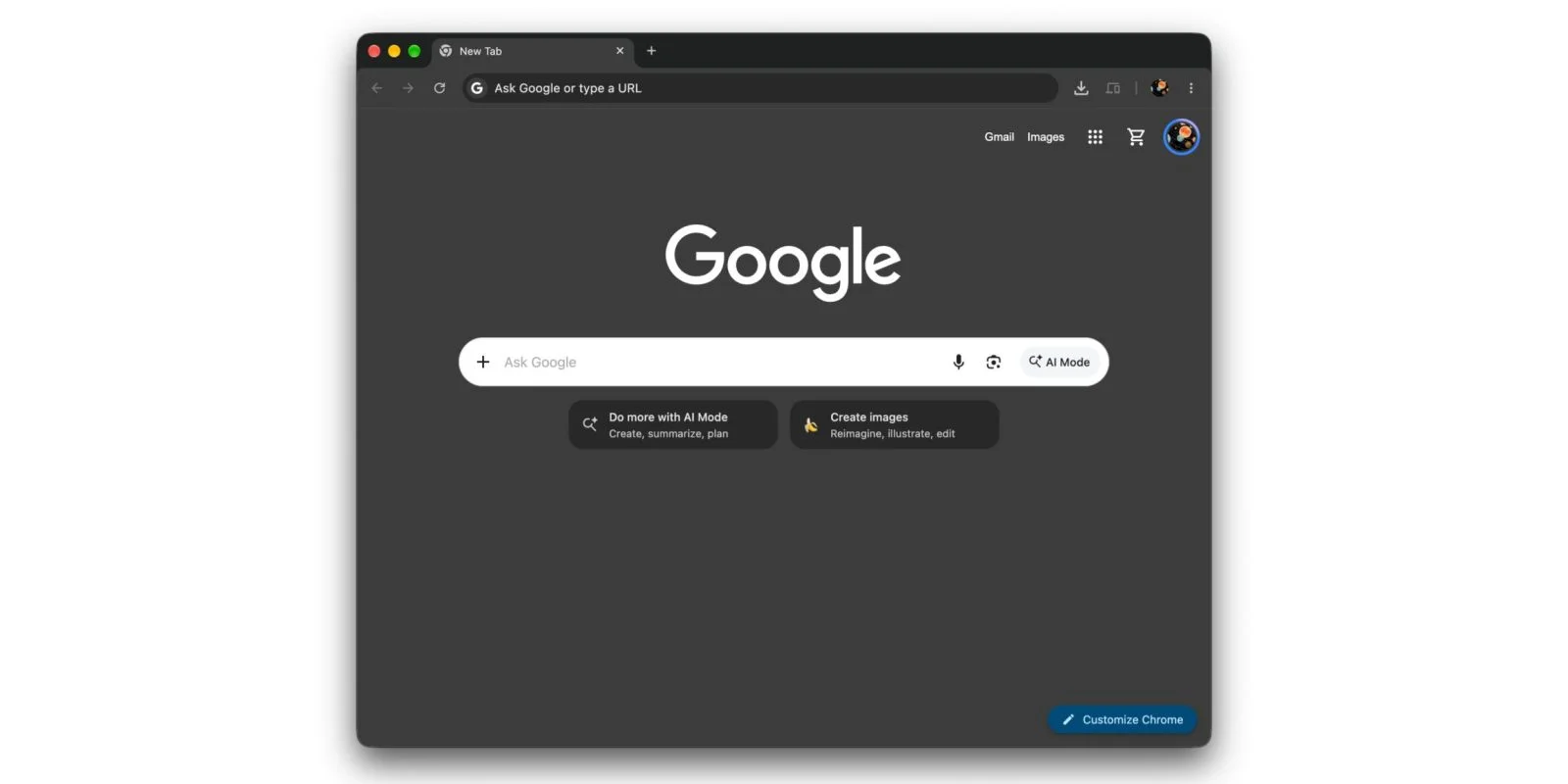
Google has begun the rollout of its Universal Cart, effectively embedding it into its Search homepage, AI Mode, Chrome, and the Gemini app. First showcased during May's I/O event as a centerpiece for digital shopping, the Universal Cart aims to streamline product organization and simplify checkouts across various retailers.
Integrating Across Google Interfaces
In the U.S., users will now notice a shopping cart icon prominently displayed on the top-right corner of google.com and within search results. This update extends to the New Tab Page of desktop Chrome, providing quick access to a panel with “Cart” and “My Orders” tabs, simplifying the user's shopping experience. The intention is clear: Google wants to make shopping as easy as browsing information. But integrating shopping features into a search engine poses unique challenges.
This move isn’t totally surprising. Google has been slowly inching into e-commerce, using its dominant search position as leverage. Integrating a cart directly into search reflects a strategy to keep users engaged longer on its platform. Presumably, Google aims to capitalize on the increasing trend of consumers using search engines as their first stop for shopping — you might even say it’s taking a page from Amazon's playbook.
Mobile Accessibility and Features
For mobile users, the cart icon is positioned beside the profile switcher in the Google app on Android, alongside its presence on the AI Mode homepage. Additionally, the Gemini app has updated its account menu to include “Cart and Orders,” further emphasizing the shopping integration. This cross-platform accessibility aims to create a unified shopping experience that can follow users regardless of how they access Google’s services.
For businesses, having this functionality in Google’s main app enhances visibility. As mobile shopping continues to surge, Google seems to recognize this shift and is betting on the convenience factor to attract shoppers. But let's not gloss over the challenge this poses: existing users might need some time to adjust to this dual-use interface, where searching for information and shopping become entwined.
User Experience Concerns
However, the placement of this icon raises concerns. Initially, it may confuse users as Google Search results, which are typically informational, can suddenly feel like a shopping platform. This shift could alter the perception of what Google Search is traditionally used for. The blending of search and shopping has potential pitfalls — especially if users feel overwhelmed or manipulated into making purchases while navigating their usual search routines.
There's also the risk of diluting the user experience. If users begin to view Google Search as primarily a marketplace rather than a search tool, it could undermine the brand’s longstanding reputation as an information source. This could lead to a backlash if users feel that the shopping features detract from the efficiency or clarity they expect when looking for straightforward answers online.
Enhanced Shopping Capabilities
The Universal Cart allows users to add products from multiple retailers with ease. It actively monitors item availability and can send notifications for price drops, presenting an efficient way to manage purchases. When ready to check out, the cart highlights relevant promo codes and suggests optimal payment methods through Google Wallet. Notably, it supports purchases from retailers such as Nike, Target, Walmart, and various Shopify merchants directly within the Google interface.
This functionality could usher in a new era of convenience for consumers accustomed to streamlined shopping experiences. By allowing users to shop from a variety of retailers without leaving the Google ecosystem, Google positions itself as an all-in-one platform that eliminates the necessity of navigating multiple sites. But here’s the thing: does this convenience come with hidden costs, such as data privacy concerns or the possibility of increased marketing pressures? Users should be mindful of what data they’re sharing and how it’s being used.
The introduction of the Universal Cart signifies Google's deeper commitment to merging e-commerce with its search functionality, reflecting broader trends in online shopping. This integration is an example of how tech giants are adapting to evolving consumer behaviors that favor simplicity and efficiency in shopping.
Implications and Future Outlook
The launch of the Universal Cart could have significant implications for how we shop online. If you're working in this space, you'll want to monitor how this changes not only consumer behavior but also how competing platforms respond. This might push rivals like Amazon, Microsoft, or even emerging players to enhance their own shopping interfaces to retain user engagement.
Moreover, the data gathered from the Universal Cart could further refine Google's advertising strategies, potentially leading to more personalized shopping experiences. As Google collects more data on consumer preferences, advertisers may be able to target specific demographics with laser-like precision—and this is the part most people overlook.
Looking ahead, we'll likely see Google continue to flesh out this feature based on user feedback. If the Universal Cart finds traction, it could inspire further enhancements that redefine the boundaries of search and shopping. Companies will need to adapt to these shifts and rethink how they present their products online. In the end, the retail landscape may not just be changing at the micro level, but also transforming at the core of how we experience e-commerce through search engines.
Discussion
Sign in to join the discussion.